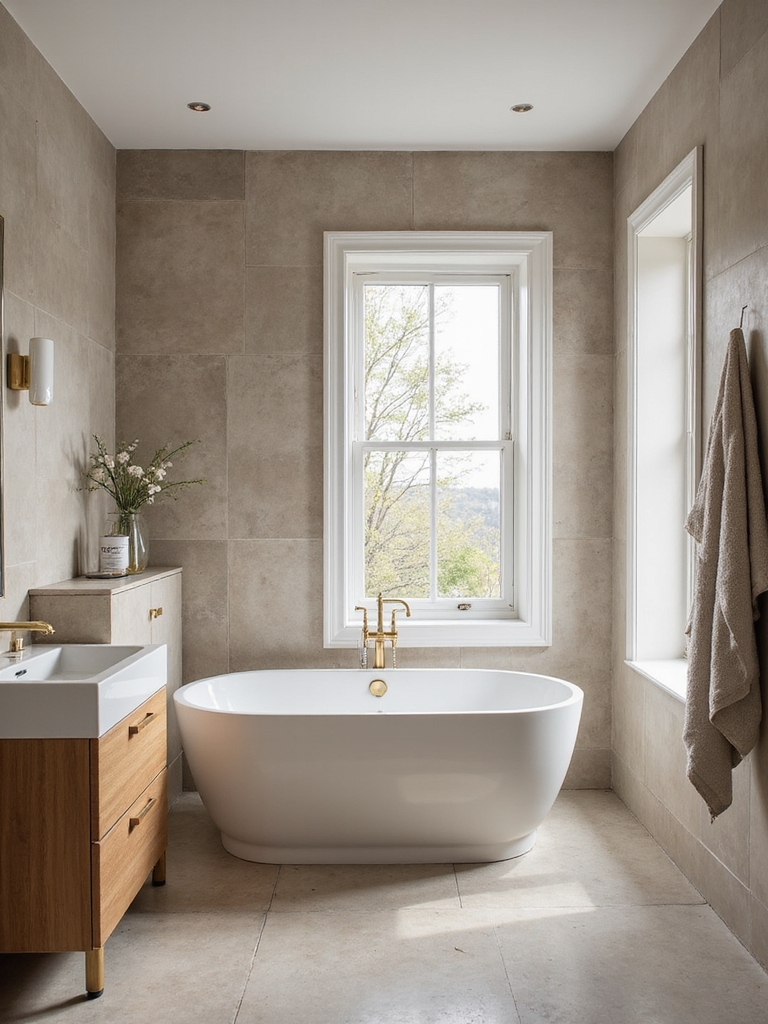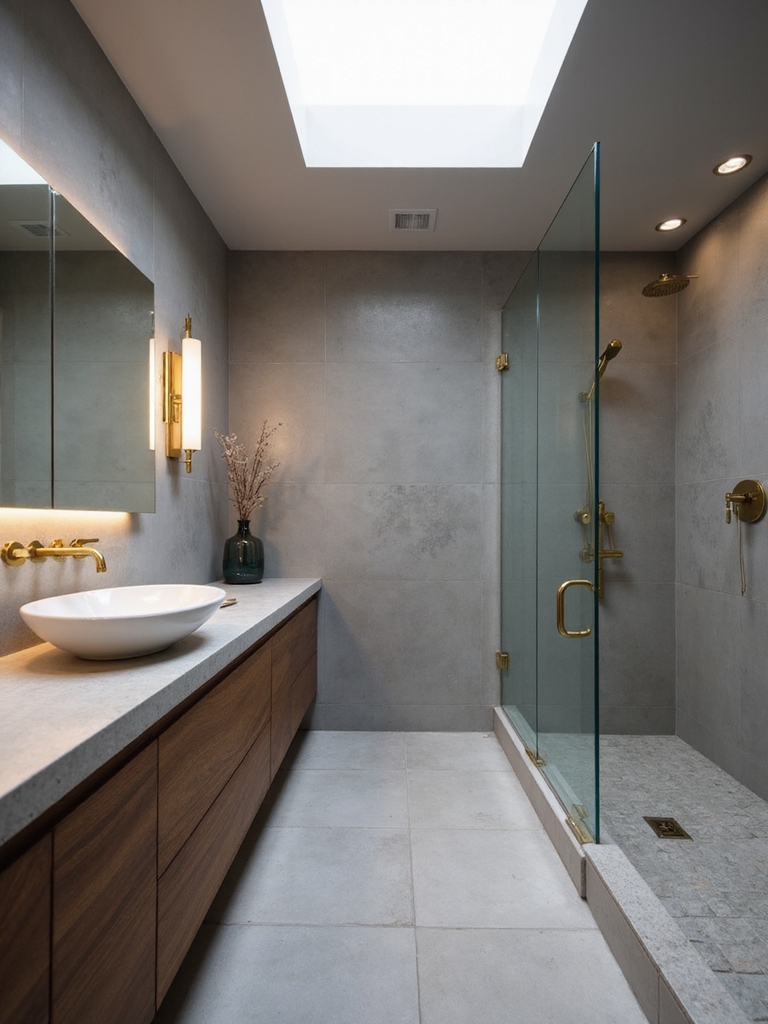

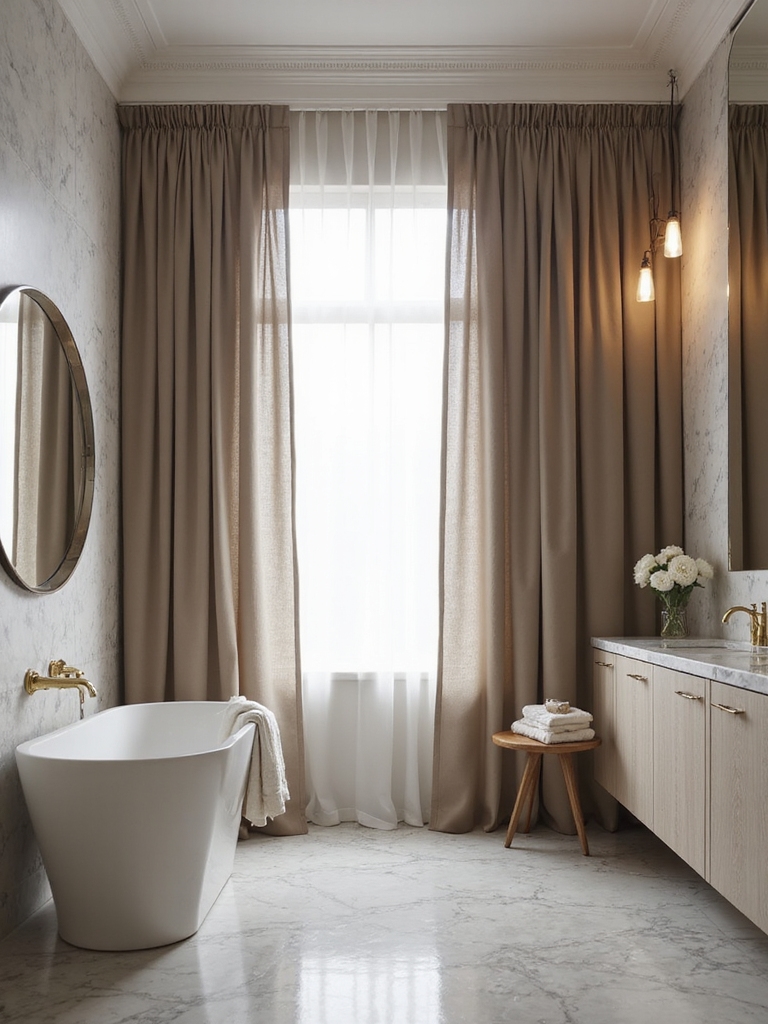
Walk into most bathrooms and the curtain is the single biggest piece of fabric in the room, which makes it the fastest thing to change the whole mood. A tired plastic shower curtain or a stubby window panel quietly drags the space down. Swap in the right fabric, hung the right way, and the room reads finished, private, and a little more like a hotel.
These 20 bathroom curtain ideas balance the two jobs a curtain has to do at once: look good and keep you private. Below you will find fabric and color guidance for both shower and window curtains, plus the hanging tricks that make a cheap panel look custom. Most of it costs under a hundred dollars and takes an afternoon.
Curtains That Work, in Short
Two decisions carry a bathroom curtain: the fabric and how you hang it. Choose moisture-smart materials for anything near the shower, pair a sheer with an opaque layer at the window for flexible light and privacy, and always hang the rod high and wide so the panel looks generous, not skimpy.
Color sets the rest. Light, soft tones open a small bath, while one bold pattern can anchor a whole room. Budget runs roughly $20 to $80 for most curtains and liners, and the upkeep is a monthly wash and the occasional swap. Get the fabric and the rod right, and even a low-cost panel looks deliberate.
Privacy Basics for Bathroom Curtains
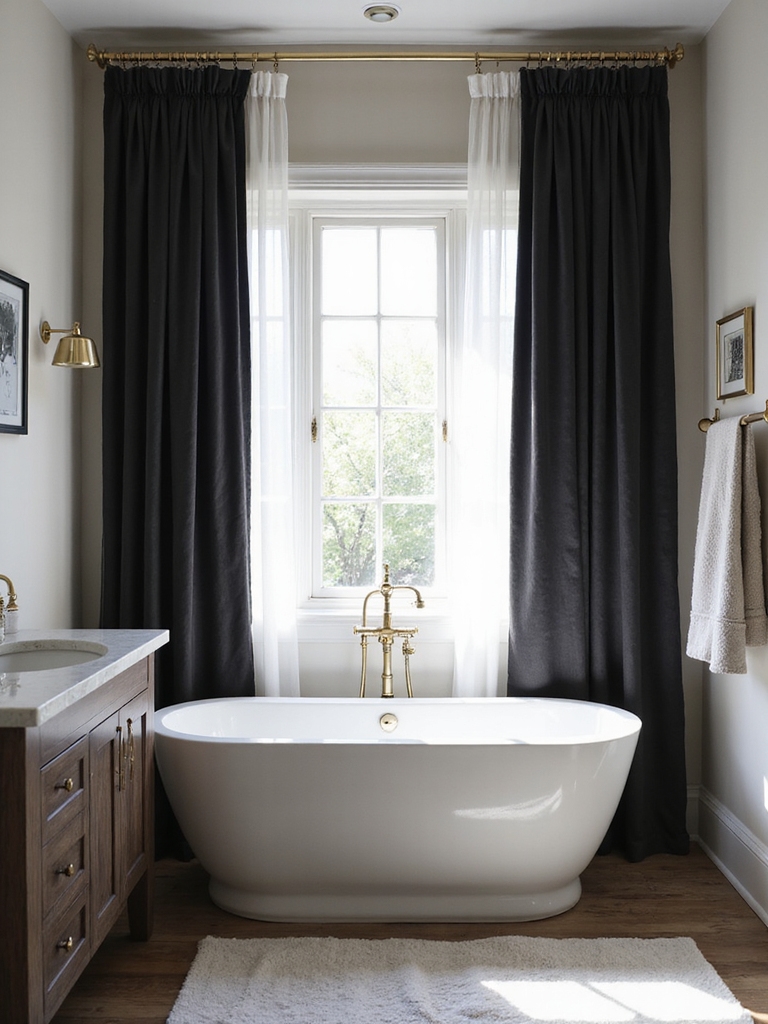
Privacy is the first job, and it is mostly about fabric weight and rod placement. A bathroom window facing a neighbor needs something the light cannot betray after dark, when a thin panel turns into a glowing silhouette. So I match the opacity to the room’s exposure: a ground-floor bath near a walkway gets a heavier or lined fabric, while a private upper window can get away with airy.
Rod height does quiet work here too. Hanging the rod close to the ceiling and extending it past the window frame lets the panels close fully without gaps, which is where privacy actually leaks. The same logic applies to a shower curtain that needs to reach the tub and overlap at the edges.
Think about layers from the start. A sheer for daytime softness plus an opaque or lined panel for night gives you control at every hour, and it looks richer than a single flat curtain. I plan the privacy first, then make it pretty. A beautiful curtain you can see straight through at 9 p.m. has missed the entire point of hanging one.
Sheer vs Opaque: Balancing Light and Privacy
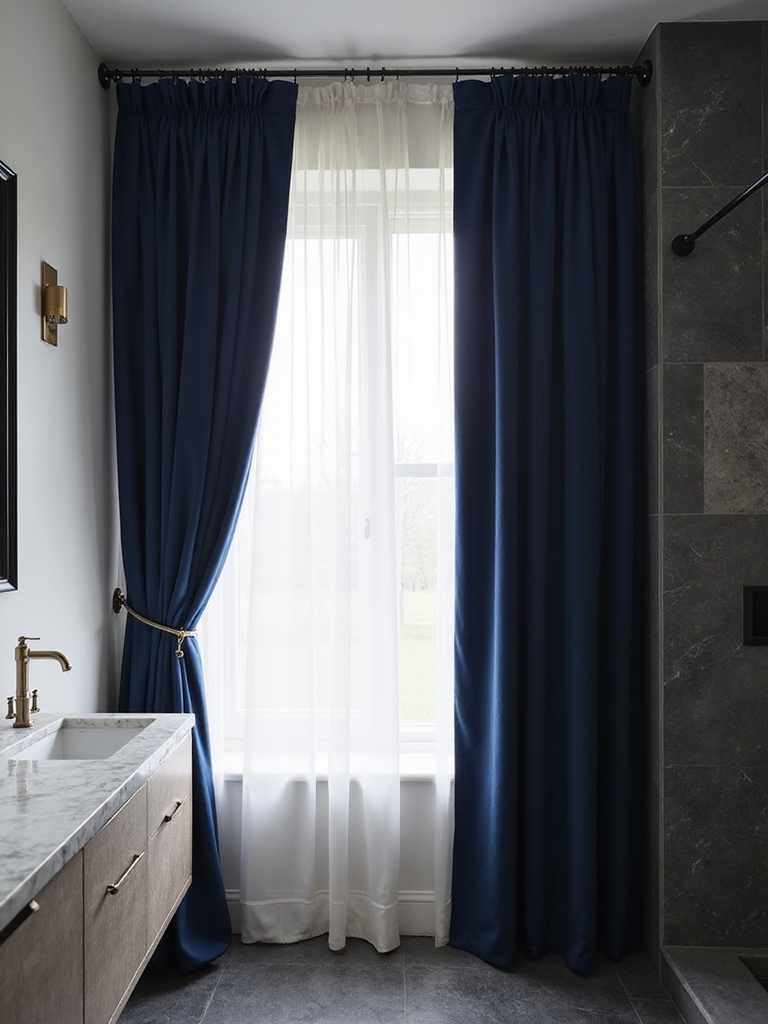
The sheer-plus-opaque pairing is the one I default to in almost every bathroom window, because it solves light and privacy at once. No trade-off needed. The sheer layer filters daylight into a soft glow and keeps the room bright during the day, while the heavier panel pulls across for full privacy at night. You get both, on demand.
Run Both Layers on a Double Rod
Run them on a double rod so each glides on its own. In the morning the sheer alone keeps things bright and gentle; in the evening the opaque layer takes over. It is the flexibility that makes a small bathroom feel considered rather than improvised.
Match the sheer to the wall tone so it disappears, and let the opaque layer carry any color or pattern. That keeps the window from looking heavy in a tight room. Plan the colors the way you would any color-by-mood scheme, and the layered window ties straight into the rest of the palette.
Heads-Up
A thin curtain that looks opaque in daylight can turn see-through once the bathroom light is on at night, turning the window into a lit silhouette. Always check a fabric’s nighttime opacity with the light on before you count on it for privacy, or add a liner.
Moisture-Resistant Curtain Fabrics That Drape
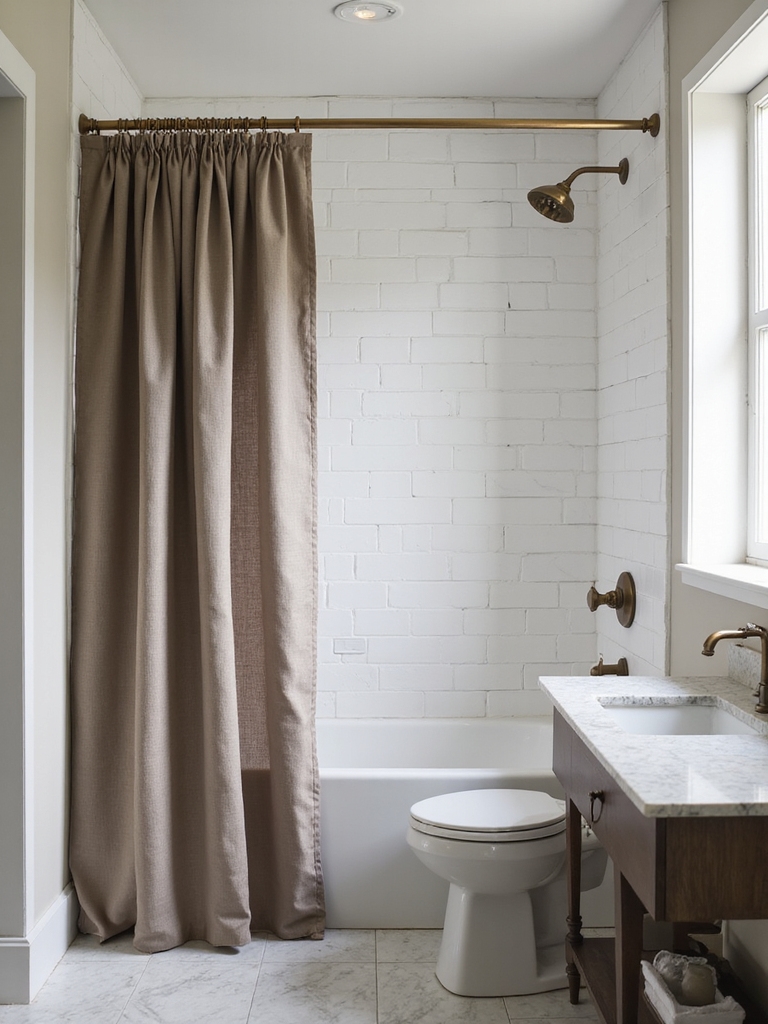
Bathroom curtains live in humidity, so the fabric has to handle steam without going limp, spotty, or moldy. The good news is that plenty of materials look soft and still hold up. Here are the ones I trust near a bathroom’s damp:
- Polyester and poly blends resist moisture, dry fast, and drape well, the safe pick near a shower.
- Linen-look synthetics give you that relaxed, textured drape without real linen’s mildew risk.
- For a true window away from spray, cotton blends work if you can wash them and the room ventilates.
Light Colors and Subtle Patterns for Small Baths
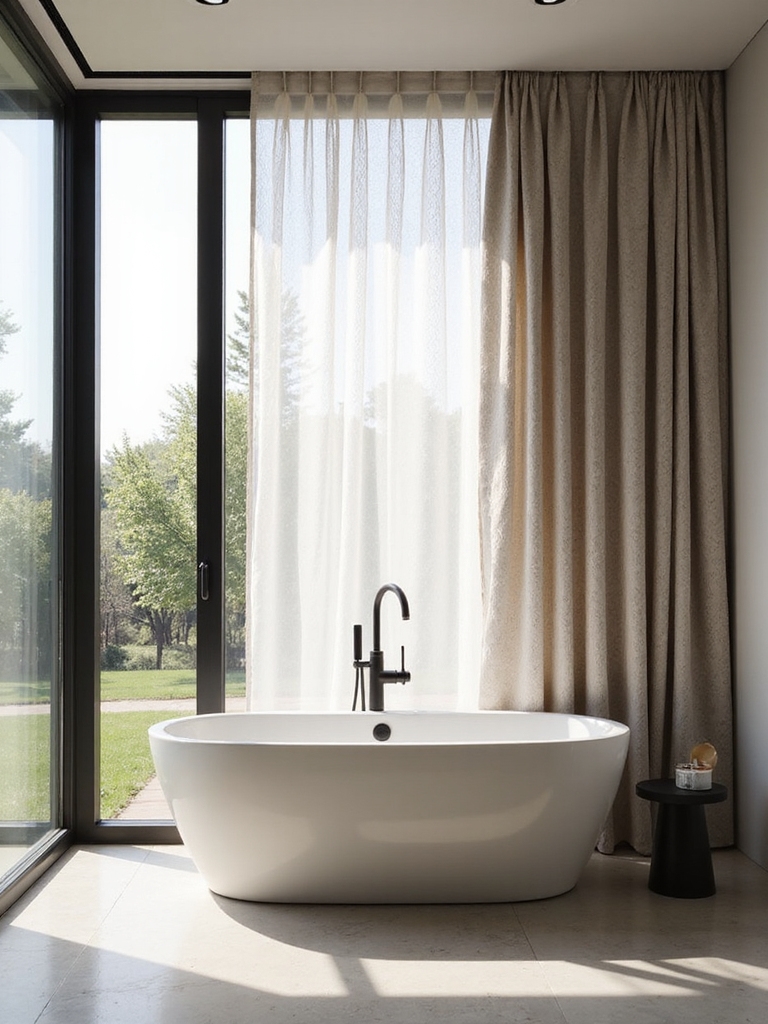
In a small bathroom, the curtain can make the room feel bigger or shrink it fast, and color is the lever. Light, soft tones bounce the available light and keep the sightline open, so the window or shower does not visually close in the space. I lean on warm whites, pale greiges, and soft blues for a curtain that brightens rather than blocks.
Pattern still has a place, as long as it stays quiet. A fine stripe, a small geometric, or a tonal texture adds interest without the heaviness of a big bold repeat. Keep the scale small and the palette tight, and a patterned curtain can actually stretch a little room instead of crowding it.
- Choose light, warm-leaning tones to bounce light and open a small bath.
- Keep any pattern small in scale, like a fine stripe or a tonal weave.
- Match the curtain close to the wall color so the window blends and the room feels larger.
Hang a bathroom curtain so it looks custom:
1Mount high and wide
Place the rod four to six inches above the frame and six to ten inches past each side.
2Pick the right length
Choose a panel that just kisses the sill or the floor; too short looks skimpy.
3Add the liner
Clip in a moisture or blackout liner sized to match for privacy and a fuller drape.
Bold Patterns to Anchor a Bathroom
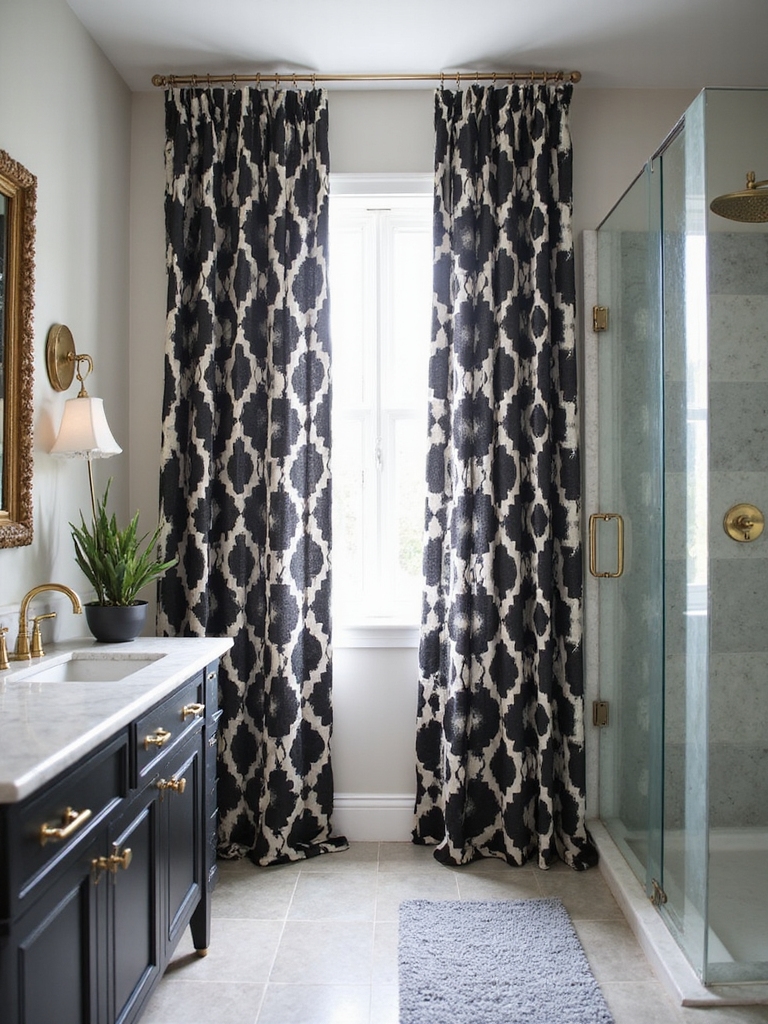
When a bathroom feels flat, a bold curtain is the cheapest way to give it a personality. Go big here. A striking pattern or a saturated color turns the shower or window into the room’s focal point, and it lets you keep everything else simple. In a windowless or all-white bath, that one piece of fabric can carry the entire design.
Let the Curtain Be the Star
The rule for going bold is to let the curtain be the star and quiet everything around it. White walls, simple fixtures, and a tight palette give a loud pattern room to breathe. Pull one color from the pattern into a towel or a mat so the whole room feels coordinated.
Bold works beautifully for renters, too, since a statement curtain is a no-commitment way to transform a plain rental bath. It comes down with you when you move. For more reversible rental ideas, these renter bathroom decor ideas pair well with a bold curtain.
Soft Neutrals and Texture for a Spa Feel
If bold is not your goal, the opposite direction is just as powerful: soft neutrals layered for a spa feel. An oatmeal, stone, or warm-white curtain in a textured weave brings a quiet, hotel-like calm that suits a bathroom built for unwinding. The interest comes from the material, not the color.
Texture is what keeps a neutral curtain from reading flat. A waffle weave, a slubby linen-look, or a subtle ribbing catches light and adds depth, so the panel feels considered even in a single soft tone. Pair it with matte metals and a plush rug and the whole room softens.
This is the most forgiving look to live with long term, since neutral fabric goes with everything and never fights a new towel or paint color. It is the curtain I suggest most for a bathroom you want to feel restful for years. Build it with the same restraint you would bring to a vanity counter.
Blackout Liners and Real Light Control
If your bathroom doubles as a getting-ready room or sits where streetlights or early sun pour in, a blackout liner earns its keep. A lined panel blocks light fully for true privacy after dark and stops harsh glare during the day, which matters more in a bathroom than people expect. A blackout liner runs about $20 to $40 and clips behind your chosen fabric.
The bonus is insulation and weight. A lined curtain hangs with a fuller, more luxurious drape and helps buffer a drafty window, so it earns its cost in comfort as well as privacy. Keep the liner neutral so your front fabric still drives the look.
- Add a clip-in blackout liner for full nighttime privacy and glare control.
- Choose a liner in white or cream so it does not tint your main fabric.
- Lined panels drape fuller, which makes even a budget curtain look high-end.
Custom vs Ready-Made, and How to Measure
Most bathrooms do beautifully with ready-made curtains, and only an odd window or a designer look really calls for custom. Ready-made panels are cheap, fast, and come in every style, so I start there for ninety percent of bathrooms. Save the custom budget for a statement window or a hard-to-fit size.
Either way, the measurements make or break the result. The most common mistake I see is a curtain hung too small, which makes the whole window look stingy. Mount the rod four to six inches above the frame and extend it six to ten inches past each side, then choose a length that just kisses the sill or the floor.
For a shower curtain, standard panels are seventy by seventy-two inches, but tall ceilings or a clawfoot tub may want a longer one. Measure before you buy and add a liner sized to match. Getting the size right is what separates a curtain that looks intentional from one that looks like an afterthought.
Keep Bathroom Curtains Looking Fresh
Bathroom fabric takes more abuse than fabric anywhere else in the house, so a little upkeep keeps it from souring. I wash or wipe the shower liner about once a month to stop soap scum and mildew, and toss fabric curtains in a gentle cycle every few weeks.
Run the fan, always. A good exhaust fan running during and after every shower does more than any cleaning routine to keep curtains and liners fresh, because it pulls the lingering moisture out before mildew ever gets a chance to take hold.
Swap with the seasons if you like, since curtains are one of the easiest things to change. A lighter panel in summer and a heavier, lined one in winter keeps the room feeling current for almost nothing. Shake them out, smooth the folds, and a well-cared-for curtain holds its look for years.
The Right Fabric, Hung the Right Way
A bathroom curtain only has to do two things well: look good and keep you private, and both come down to the fabric you choose and how you hang it. Pick a moisture-smart material, layer a sheer with an opaque panel where you can, lean light in a small bath or bold where the room needs a focal point, and always hang the rod high and wide.
Start with whichever bothers you more, the privacy gap or the dated fabric, and fix that first. A new panel and a liner cost little, go up in an afternoon, and change the feel of the whole room. Get the fabric and the rod right, and even the most basic bathroom suddenly looks pulled together.