What actually makes a bathroom feel expensive, when the most lavish materials are off the table? After styling dozens of budget baths, my answer is almost never the price of the tile. It is cohesion, restraint, and a few well-placed upgrades that the eye takes for luxury. A $200 refresh that looks pulled together beats a $2,000 one that looks busy every single time.
These 13 bathroom decor ideas are the designer tricks I use to fake a high-end look for very little money. Below you will find where to spend, where to save, and the small swaps, plush textiles, warmer metals, better light, that punch far above their cost. Most of it is about looking intentional, which is exactly what expensive rooms have in common.
The Expensive Look, in Short
What looks expensive? Cohesion and restraint. One upgraded metal, plush textiles, warm light, and a clutter-free counter do most of the work.
Where should the money go? Spend on what you touch and see most: hardware, towels, lighting. Save on the rest.
What does it cost? A convincing refresh runs $150 to $400, far less than a renovation and often just a weekend.
Budget-Friendly Bathroom Essentials That Look Luxe
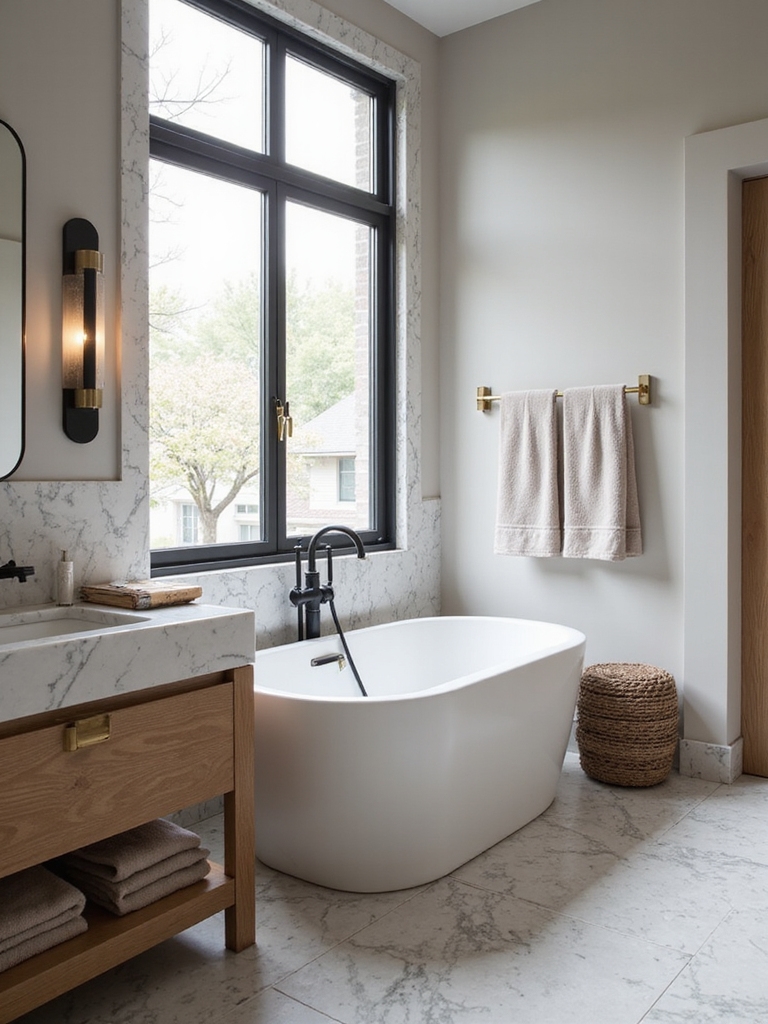
Before you buy anything, know what actually moves the needle on a luxe look. I tell every client to start with five basics that carry the most visual weight: lighting, hardware, textiles, a cohesive palette, and a clutter-free counter. Get those five right and the room looks expensive even if the tub and tile are basic builder-grade.
The reason this works is that the eye judges a bathroom on its finishes and its order, not its square footage. A coordinated, uncluttered room with good light feels considered. A jumble of mismatched stuff feels cheap no matter what it cost. Nail the five basics first, then add personality.
- Lighting and hardware are the fastest upgrades, since you see and touch them constantly.
- Plush textiles add instant softness and a sense of quality for very little.
- A tight palette and a clear counter are free and look expensive on their own.
Plush Bathroom Textiles for an Expensive Look
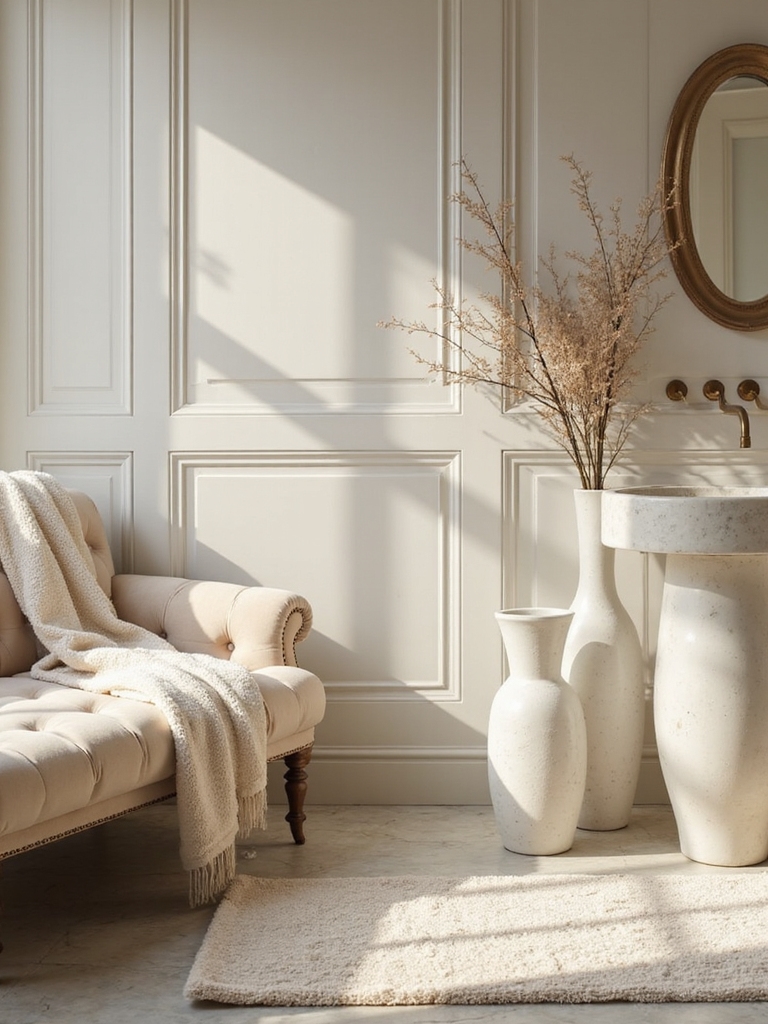
Textiles are the cheapest way to add the feeling of luxury, because softness signals quality the instant you touch it. I swap thin, scratchy towels for high-pile cotton ones in a muted, cohesive color, usually around $15 to $30 each. A matching bath mat and a fabric shower curtain finish the set and make the whole room feel layered.
Coordinate the Color, Mix the Texture
Color discipline is what separates a styled set from a pile of towels. Pick one or two tones that match the room and repeat them, since a coordinated palette looks far more expensive than a rainbow of hand-me-downs. Muted, slightly grayed shades look more high-end than bright primaries.
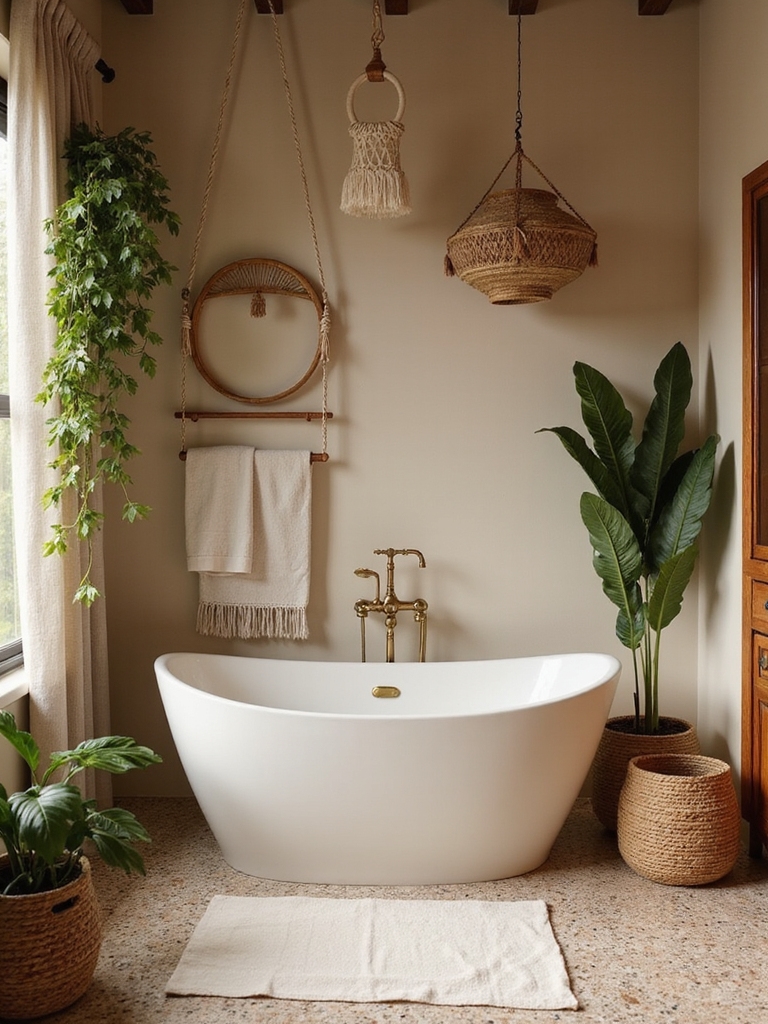
Texture adds the final layer of richness. Mix a waffle weave, a plush pile, and a smooth woven mat so the eye finds depth in a single calm color. Fold or roll them neatly, the way a hotel does, and even budget towels start to feel like a splurge. Style the open surfaces with the same care you would a vanity counter.
“If you only have a hundred dollars, spend it like this: warm bulbs and a dimmer first, then new cabinet hardware in a warm finish, then one set of plush towels in a muted color. Those three touches fake an expensive bathroom faster than anything else you could buy.”
Budget Fixture and Hardware Upgrades
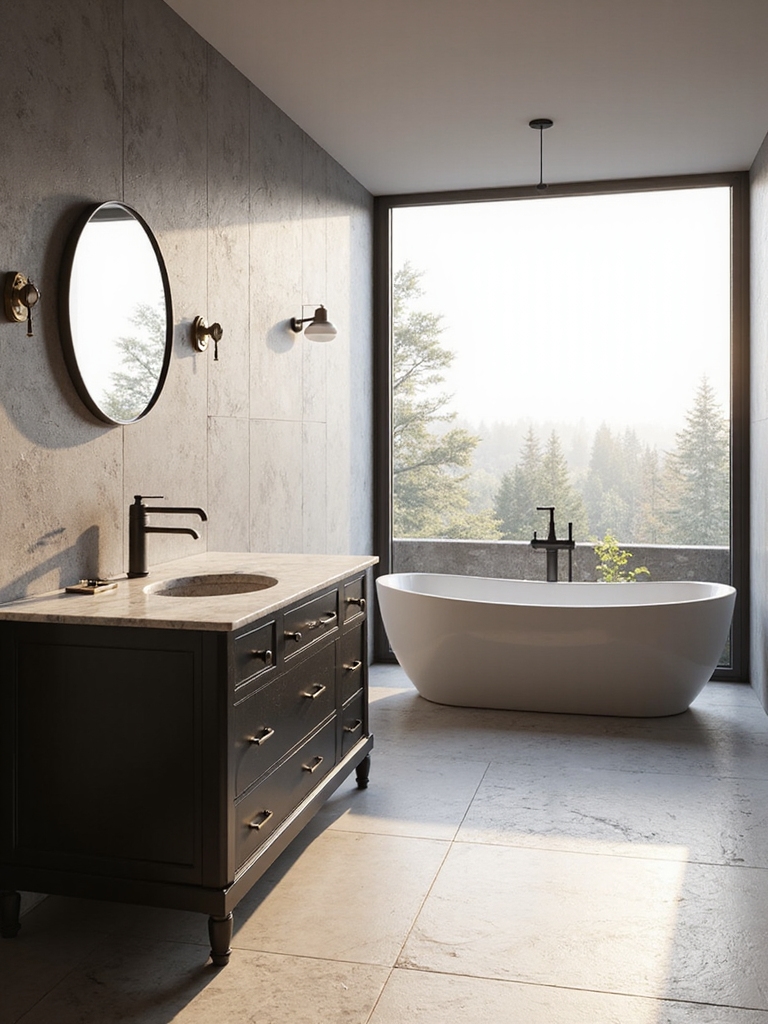
Nothing fakes a renovation faster than swapping the hardware, because dated chrome and builder-basic pulls are what scream cheap. Trading them for a warmer, current finish costs little and changes everything. Here is where I put the hardware budget, in order of impact:
- Swap the faucet if the budget allows, since it is the jewelry of the sink; a good one runs $80 to $200.
- Change cabinet knobs and pulls to brushed brass or matte black for a few dollars each.
- Update the towel bar, hooks, and toilet-paper holder to match one finish across the room.
Warm Glow Lighting Techniques
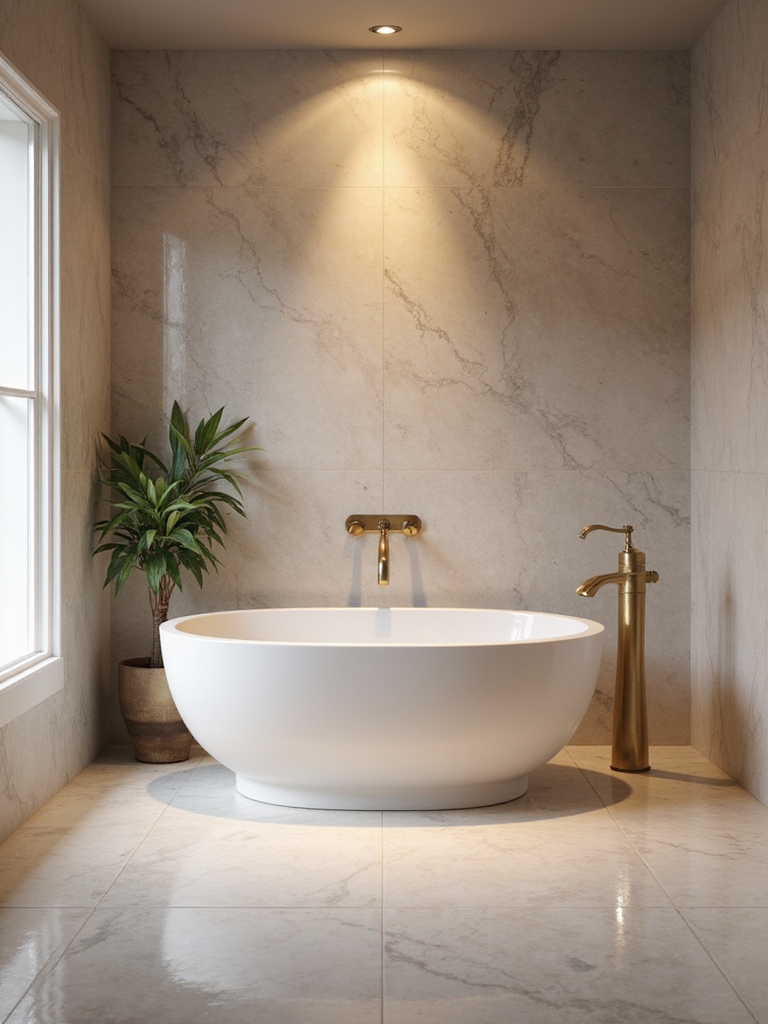
Lighting is the single most underrated luxury upgrade, because the same room feels cheap under cold light and rich under warm light. Designers light bathrooms the way restaurants do: warm, layered, and dimmable. Swapping bulbs and adding a layer or two costs almost nothing and instantly makes every other finish look better.
- Switch to warm 2700K to 3000K bulbs, the cheapest luxe upgrade in the room.
- Layer an overhead with light at face level by the mirror for a flattering, even glow.
- Add a dimmer so the room can go bright for routines and low for a spa soak; sort by lighting tone first.
Quick gut check on your bathroom:
1Is your lighting cool and bluish?
If yes, that is the number-one thing making the room feel cheap. Swap to warm bulbs first; it costs ten dollars.
2Do your metals match?
Mixed, dated finishes read budget fast. Pick one warm finish and bring the faucet, hardware, and bar in line.
Budget Surface Upgrades With Big Impact
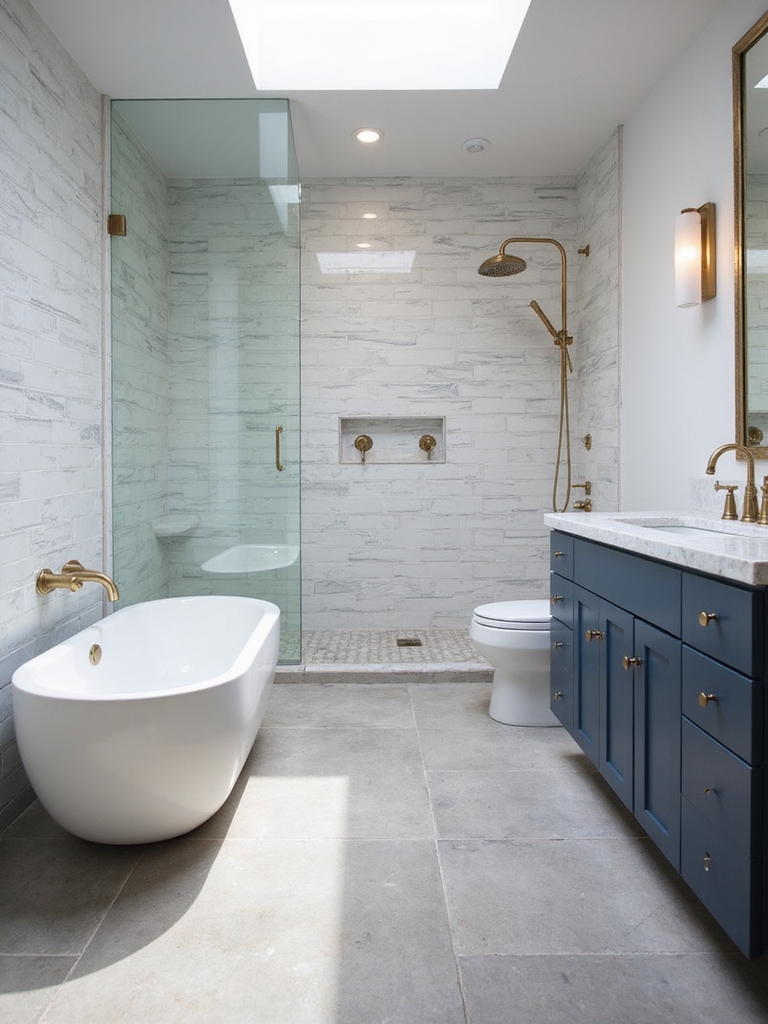
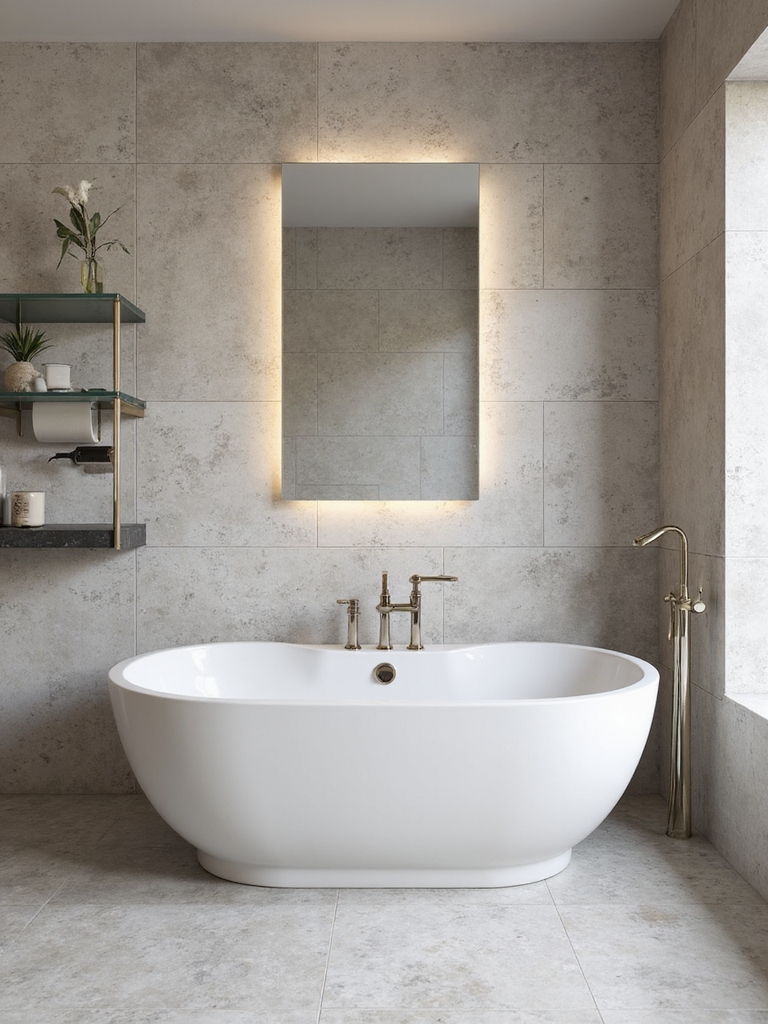
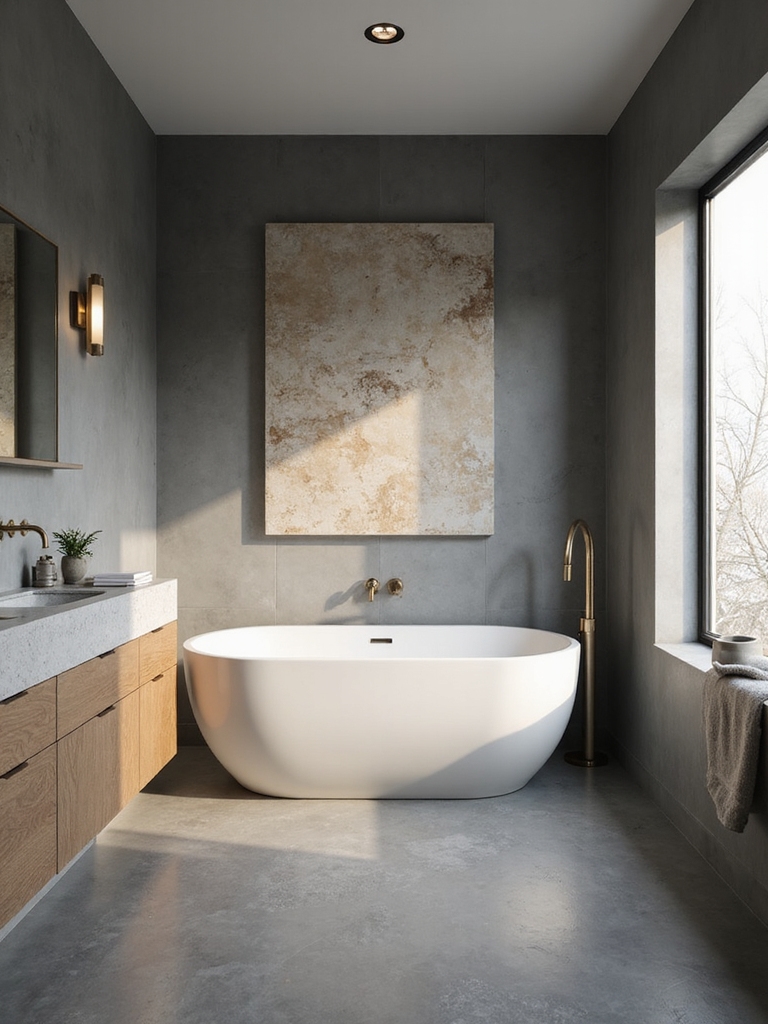
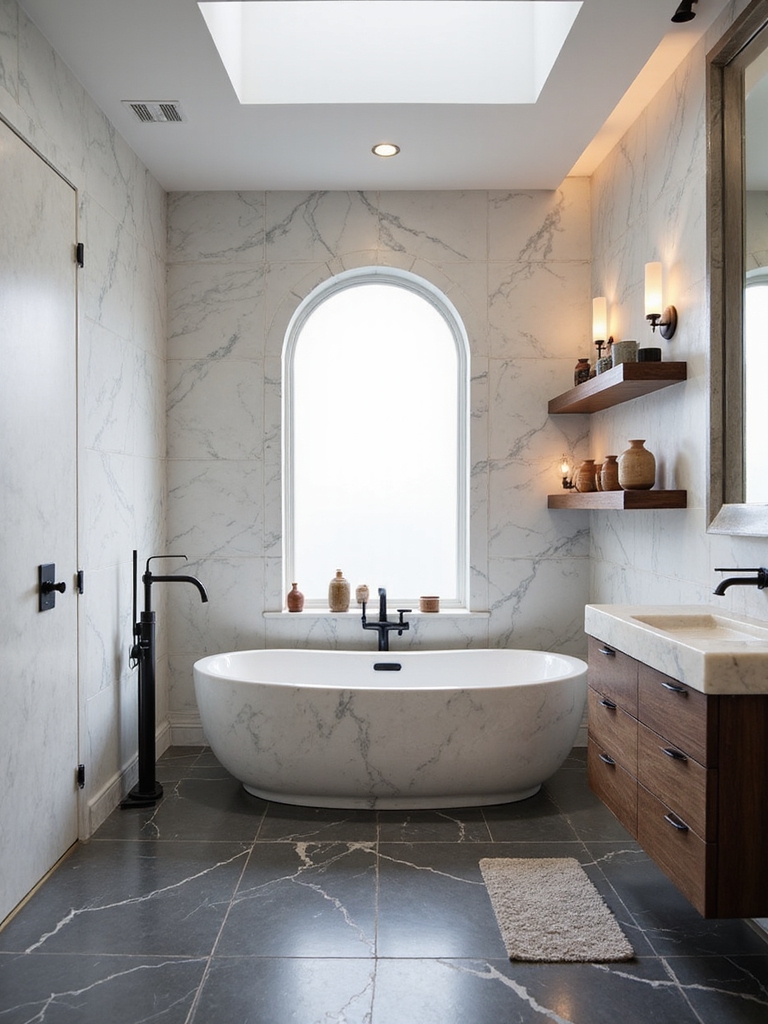
When you can stretch to a surface upgrade, a few choices give a high-end feel without the price. Large-format tile looks more expensive than small mosaic because fewer grout lines feel cleaner and calmer, and the peel-and-stick versions get renters most of the way there for a tiny fraction of the cost of a real retile. A quartz-look counter with subtle veining brings the marble feeling without the marble bill.
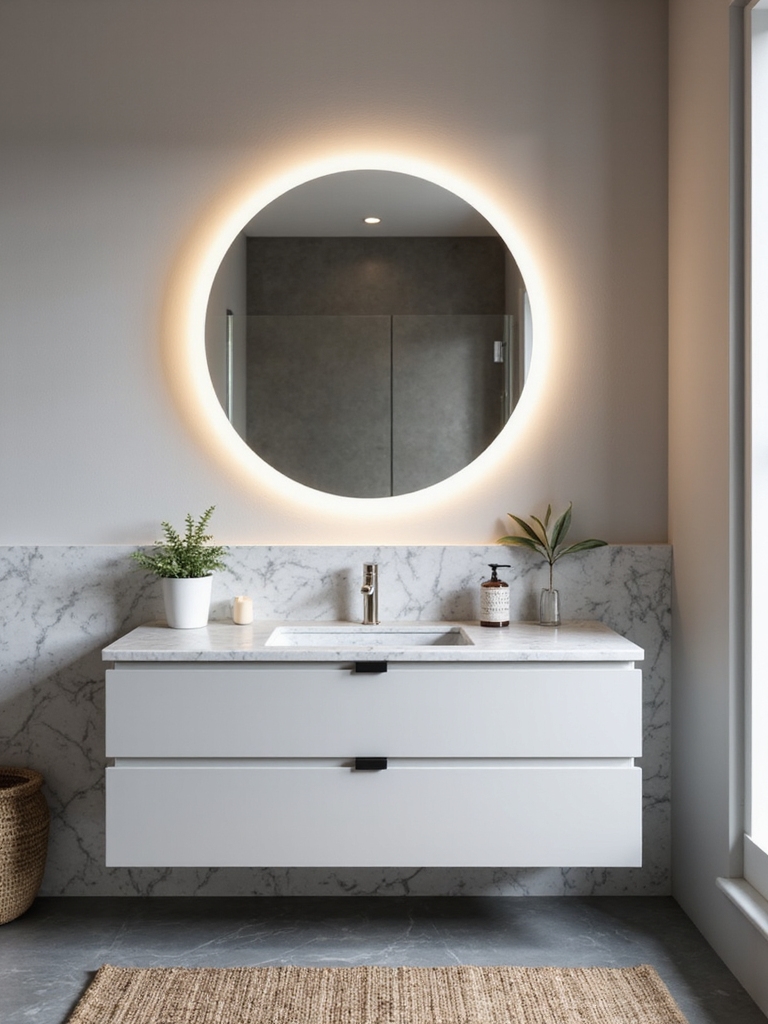
A floating vanity is the splurge that earns its keep, since clearing the floor beneath it makes a small bath feel larger and more custom. If a full vanity is out of reach, a fresh coat of cabinet paint and new hardware fakes the upgrade for under fifty dollars. Pull stone or tile inspiration from these luxe tile combinations.
- Choose large-format or peel-and-stick tile for fewer grout lines and a cleaner look.
- Pick a quartz-look counter with soft veining for the marble feel on a budget.
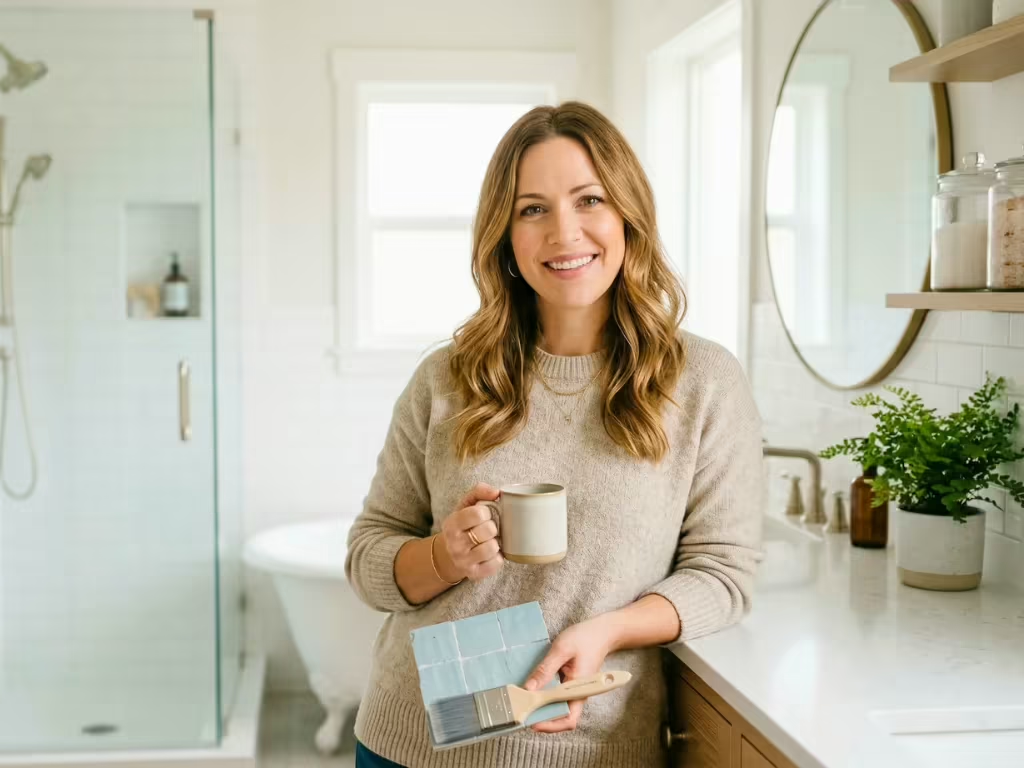
- Repaint a tired vanity and swap the hardware to fake a costly upgrade cheaply.
Color Schemes That Look High-End
Expensive-looking bathrooms almost always use a tight, sophisticated palette, and getting the color right costs nothing. I lean on warm neutrals, greige, soft white, taupe, with one quiet accent, because restraint is what feels like luxury. A room that sticks to two or three tones looks considered, while a dozen colors looks accidental.
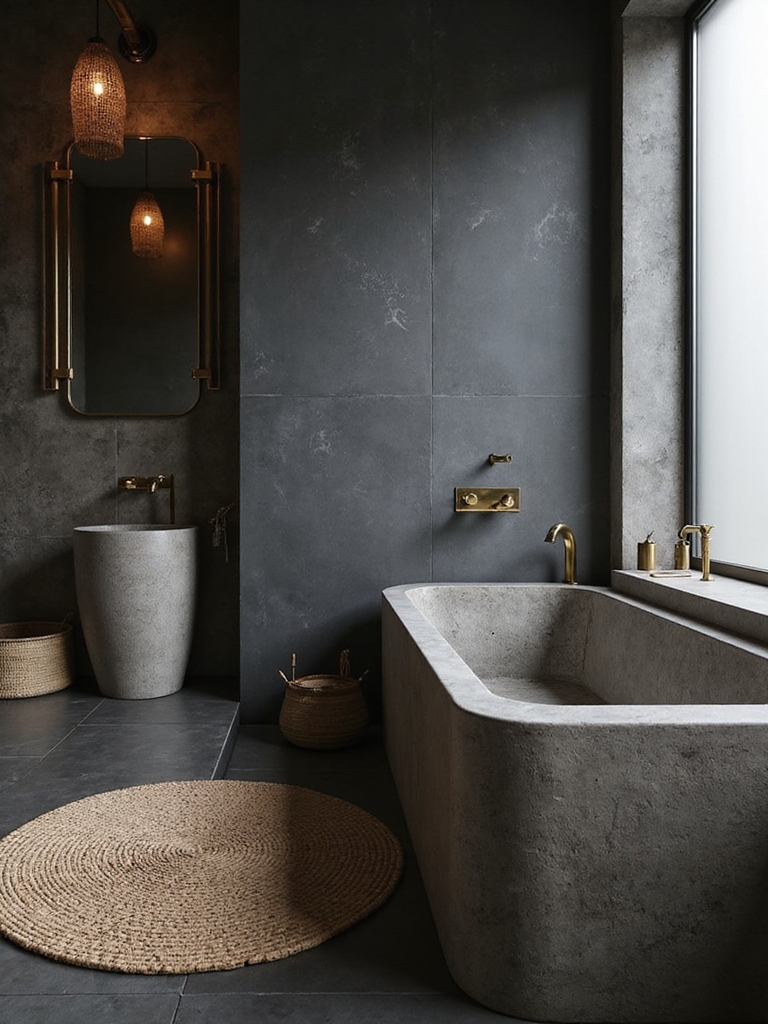
Metallics are the way to add richness without loudness. One warm metal, brass or bronze, repeated across the hardware and a mirror frame, adds the glint that high-end rooms have. Keep it to a single finish so the sparkle looks intentional rather than busy.
Contrast is the final touch. A little sharp contrast, a black-framed mirror against pale walls, a dark vanity under white tile, gives a budget palette the crispness of a designed one. Plan the whole scheme the way you would any color-by-mood plan so every piece agrees.
DIY Tricks That Mimic Designer Finishes
Some of the most expensive-looking touches are weekend DIY projects in disguise. A peel-and-stick tile backsplash behind the sink mimics a custom one for a fraction of the cost, and a framed-out builder mirror, just trim glued around the edge, instantly looks like a designer piece. Clients ask me which DIY gives the most bang, and these two top the list every time.
Small details sell the illusion. A stack of folded white towels in a basket, a single trailing plant, a tray for the daily five, and matched bottles all signal a styled, cared-for room. None of it costs much, and together it looks like someone planned the whole space on purpose.
- Add a peel-and-stick backsplash to mimic custom tile for under thirty dollars.
- Frame a plain builder mirror with glued-on trim for a designer look.
- Decant soap and lotion into matching bottles so the counter looks curated.
Where to Spend and Where to Save
The real rule for a budget that looks expensive is putting the money where hands and eyes land most. I spend on the faucet, the lighting, and the towels, because you touch and see them every single day and quality shows there. Those three carry the luxe feeling more than anything else in the room.
Then I save everywhere the difference does not show. Generic but clean tile, a painted vanity instead of a new one, budget accessories in a good color, all of it disappears into a cohesive whole when the hero pieces are right. Nobody notices the cheap mat next to a beautiful faucet and warm light.
The rule I give every client is to buy fewer, better things rather than many cheap ones. One upgraded faucet beats five gadgets. Spend the budget in three smart places, keep the rest simple and tidy, and the whole bathroom feels far more expensive than the receipt.
The Things That Make a Bathroom Look Cheap
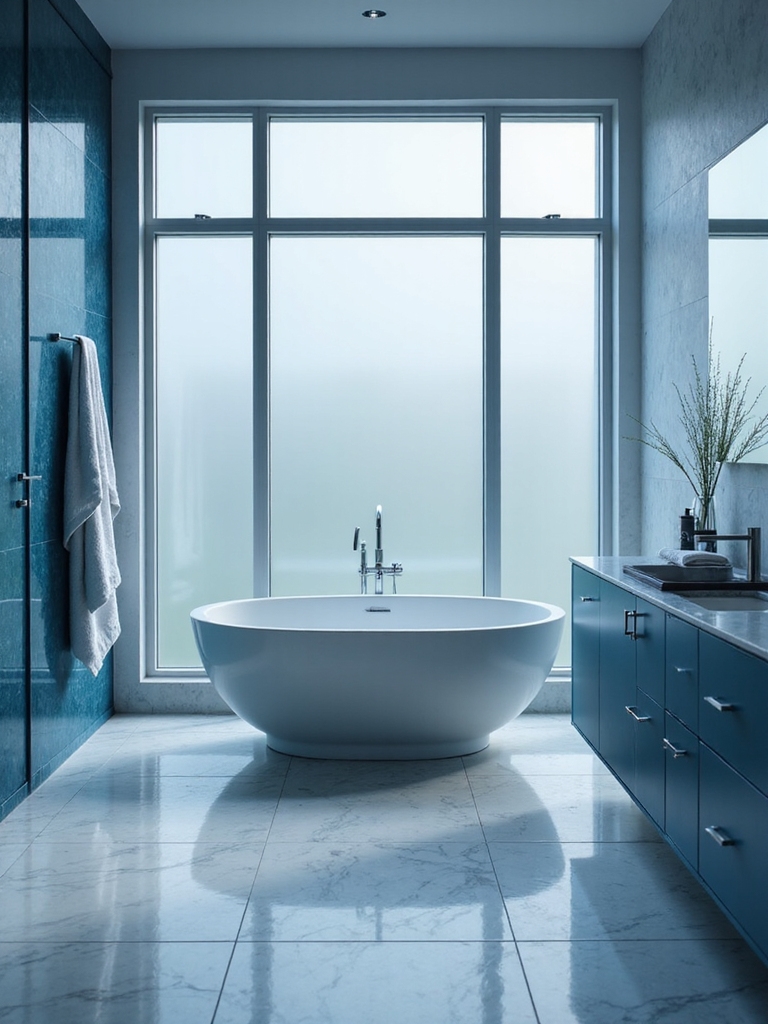
Knowing what to avoid is half the battle, because a few common mistakes undo all the good work. Cool, bluish lighting is the biggest one. It drains every finish and is the first thing I fix in a tired bathroom. A ten-dollar bulb swap erases it instantly.
Mismatched, dated metals are the next giveaway. A chrome faucet, a brass towel bar, and black hinges in one room look thrown together, so I pick one finish and bring everything in line with it. Clutter is the third offender, since even beautiful pieces look cheap when they are buried under bottles and packaging.
The last one is overdoing the color. Too many competing shades make a room look busy and unplanned, which is the opposite of expensive. The move is to pick a tight palette and stop, because the most luxurious bathrooms are almost always the most restrained ones in the building.
Keep the Expensive Look Lasting
A luxe look only lasts if it stays clean and uncluttered, since grime and clutter are what look cheap. I wipe the fixtures and mirror a couple of times a week so the metals stay bright and spot-free, and I keep the counter to a styled few. A two-minute daily tidy protects the whole effect for free.
Refresh the soft pieces on a slow rhythm to keep things current. Washing towels gently so they stay plush, swapping a tired mat, and refreshing caulk when it discolors all keep the room looking new. A little upkeep is the cheapest way to make a budget bathroom keep reading expensive year after year.
Expensive-Look Bathroom Questions, Answered
?How do I make my bathroom look expensive on a budget?
Focus on cohesion and a few hero upgrades. Swap to warm lighting, change the hardware to one consistent warm finish, add plush towels in a muted palette, and keep the counter clear. Spend where you touch and see things most, and save everywhere the difference does not show.
?What is the single cheapest upgrade that looks expensive?
Warm light. Swapping cool, bluish bulbs for warm 2700K to 3000K ones costs about ten dollars and makes every other finish in the room look richer. Add a dimmer and you have the biggest luxe payoff for the smallest spend, hands down.
?Where should I spend the most money for a high-end look?
On the faucet, the lighting, and the towels, the things you touch and see every day. Quality shows in those three, so they carry the expensive feeling. You can save on tile, accessories, and even the vanity by painting it, since those disappear into a cohesive whole.
?What makes a bathroom look cheap?
Cool, harsh lighting, mismatched and dated metals, clutter on the counter, and a busy mix of colors. Fix those four and most bathrooms instantly look more expensive. Cohesion and order do more for a luxe look than any single pricey material.
Expensive Is a Look, Not a Budget
An expensive-looking bathroom is built from restraint and a few smart choices, not from a big budget. Upgrade the metals you touch, warm up the light, add plush textiles in a tight palette, keep the surfaces clear, and spend where hands and eyes land most. Do that and a basic bath looks like a designer got hold of it.
Start with the cheapest high-impact move, almost always the lighting, and build from there as the budget allows. You do not need to renovate to feel like you live somewhere lovely. A weekend, a few well-chosen swaps, and a tidy hand are all it takes to make a plain bathroom feel like a splurge.