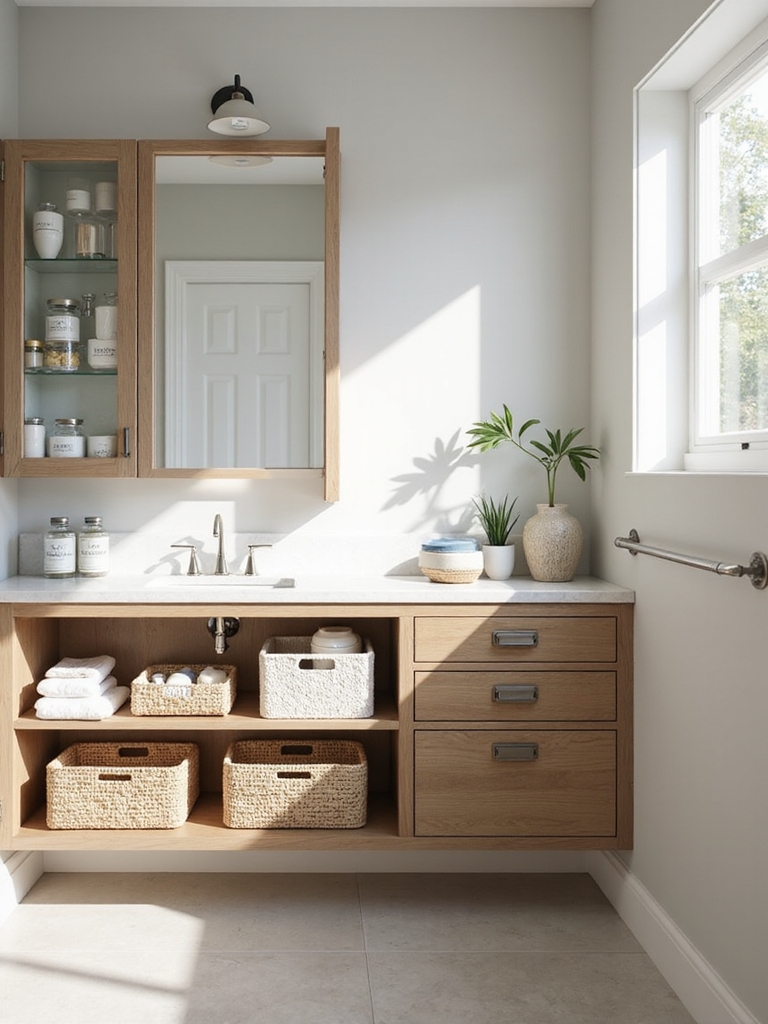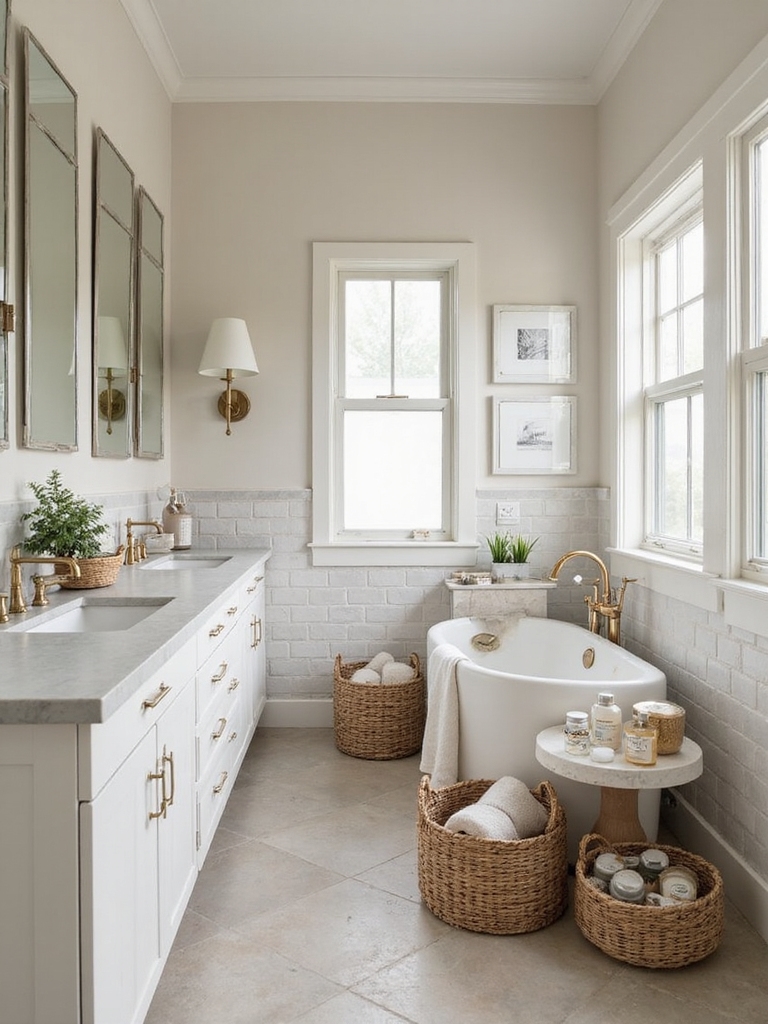

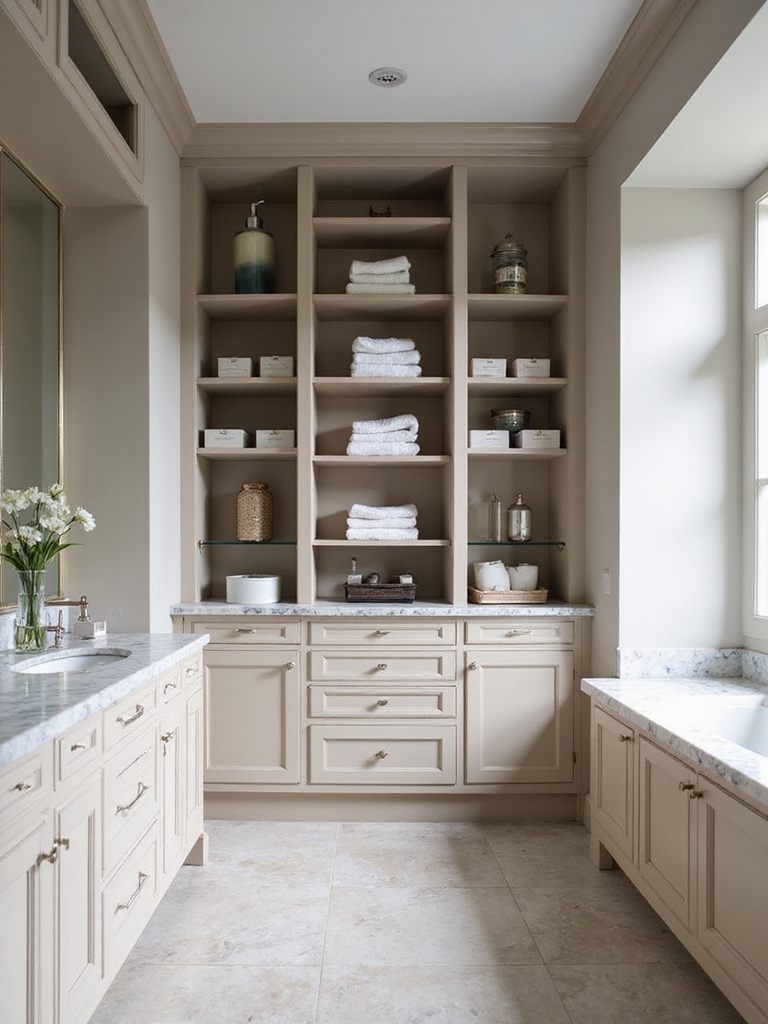
Open a crammed bathroom closet and a towel usually tumbles out before you find the one you wanted. The problem is rarely the square footage; it is the wasted gap above each shelf, the empty back of the door, and the deep rear shelf nobody can see past. Fix how the space is used and the same closet suddenly holds twice as much.
These 16 bathroom closet organization ideas are the moves I steal for clients, the ones that turn a stuffed linen closet into something orderly and scannable. You will find a quick audit to start, ways to claim hidden vertical and door space, and a simple system that keeps it tidy after the first reset. Most cost a few dollars, and none of it needs a contractor.
Closet Fixes at a Glance
| The fix | What it solves | Rough cost |
|---|---|---|
| Tension rods and extra shelves | Dead vertical air above shelves | $8 to $25 |
| Over-the-door organizer | Wasted back of the door | $15 to $30 |
| Clear bins and labels | Can’t see or find anything | $2 to $8 each |
Start With a Bathroom Closet Space Audit
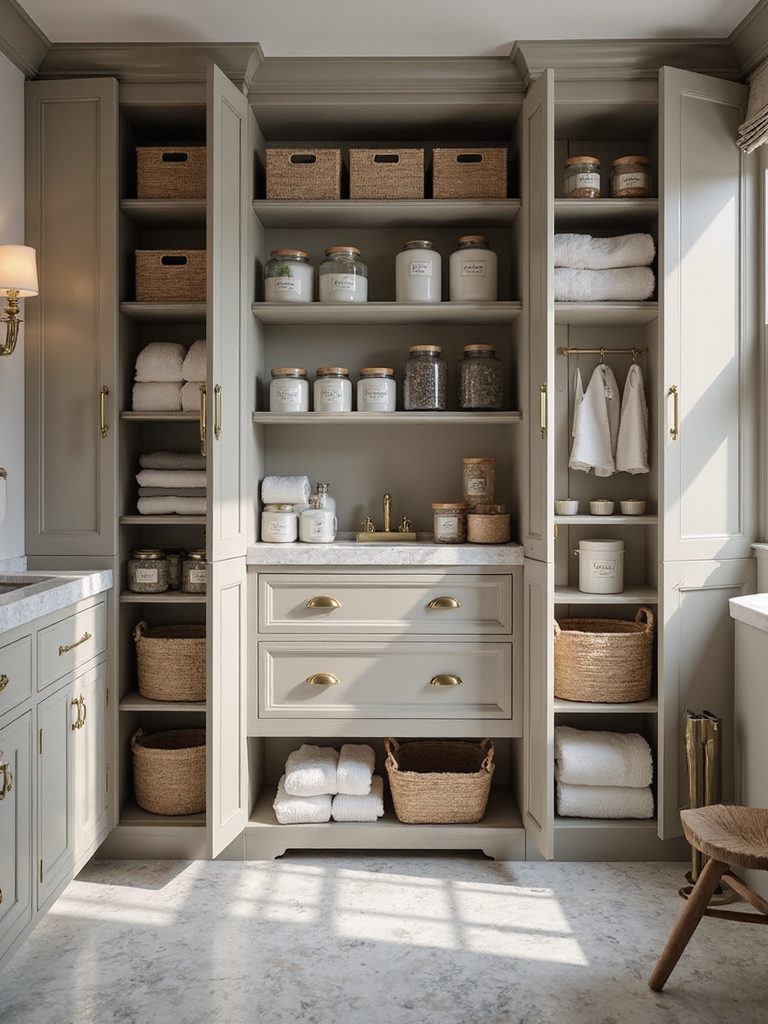
Before you buy a single bin, take ten minutes to read the closet. Pull everything out. I sort as it comes off the shelves, tossing expired products and grouping what stays, because you cannot plan storage for stuff you have not actually seen. This is the step that saves the most money, since most people buy organizers for clutter they should have purged.
Then measure honestly: shelf width, the gap between shelves, the depth, and the door. Note the wet-adjacent spots and the awkward gaps. With those numbers in hand, you buy only what fits and skip the returns pile. A quick audit turns a guessing game into a plan, the same way it does for any clever cabinet organization project.
Claim Hidden Vertical Space With Rods and Rails
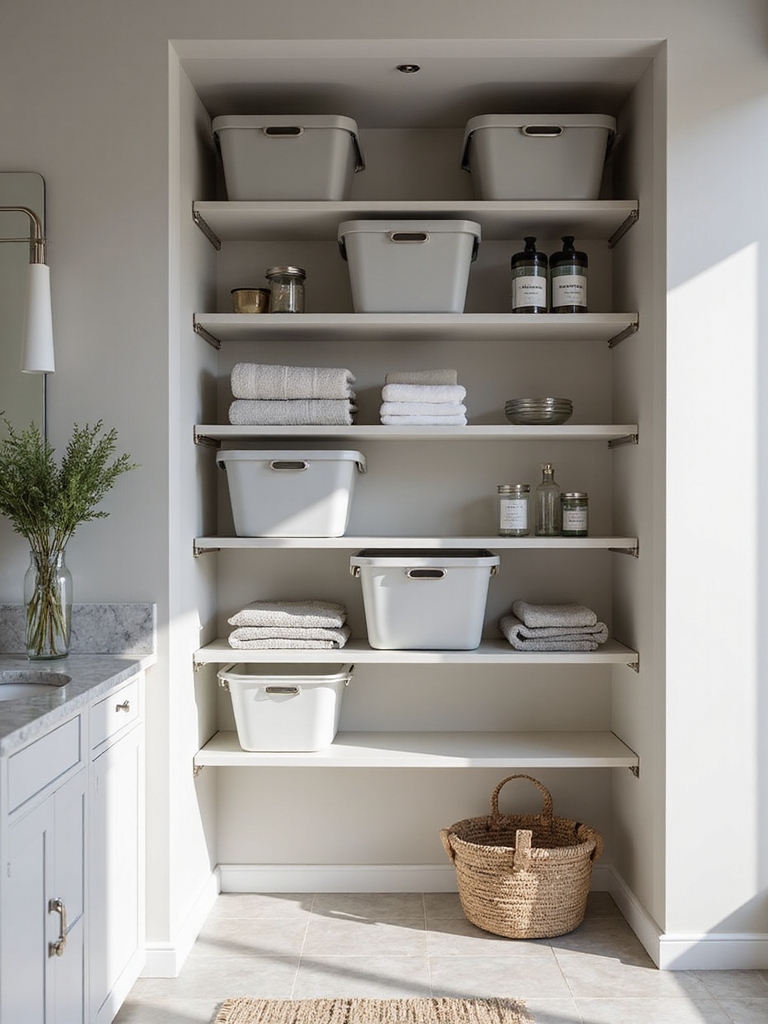
The biggest waste in any closet is the air between the shelves. A tension rod or a slim add-on rail reclaims that vertical gap for just a few dollars, with nothing to drill. I run a tension rod across a deep shelf to hang spray bottles by the trigger, which frees the whole shelf below it.
Stackable shelf risers do the same job for folded items, splitting one tall shelf into two usable layers. Suddenly the closet holds more without getting deeper, and everything stays in a single, grabbable layer. These are the cheapest upgrades here and the ones I install first.
- Hang a tension rod inside the closet to clip bottles and free the shelf beneath.
- Add a shelf riser to split a tall gap into two usable levels.
- Mount a slim rail on the inside wall for hooks, cloths, and small caddies.
Reset a bathroom closet in one afternoon:
1Empty and edit
Pull everything out, toss expired items, and group what stays by category.
2Measure and claim space
Note shelf gaps and the door, then add rods, risers, and an over-door rack.
3Contain and label
Decant into clear bins, label the fronts, and set daily items at eye level.
Keep Everyday Essentials Organized and Reachable
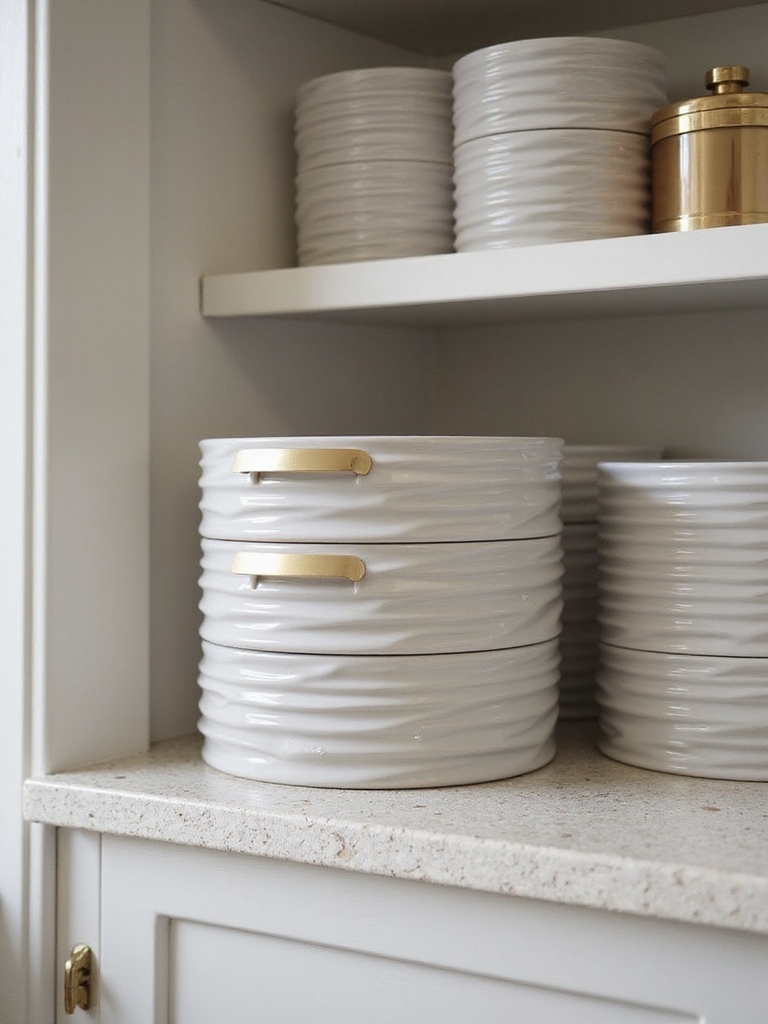
Your daily things deserve the prime real estate, which is eye level and the front. I build a grab zone there so the morning routine is one reach, not a hunt. Here is the order that keeps it working:
- Put daily essentials at eye level in clear, open bins you can grab without looking.
- Stack backups higher and heavier, less-used items down low.
- Keep one labeled bin per category so nothing migrates and everything has a home.
Clever Closet Storage Worth Stealing
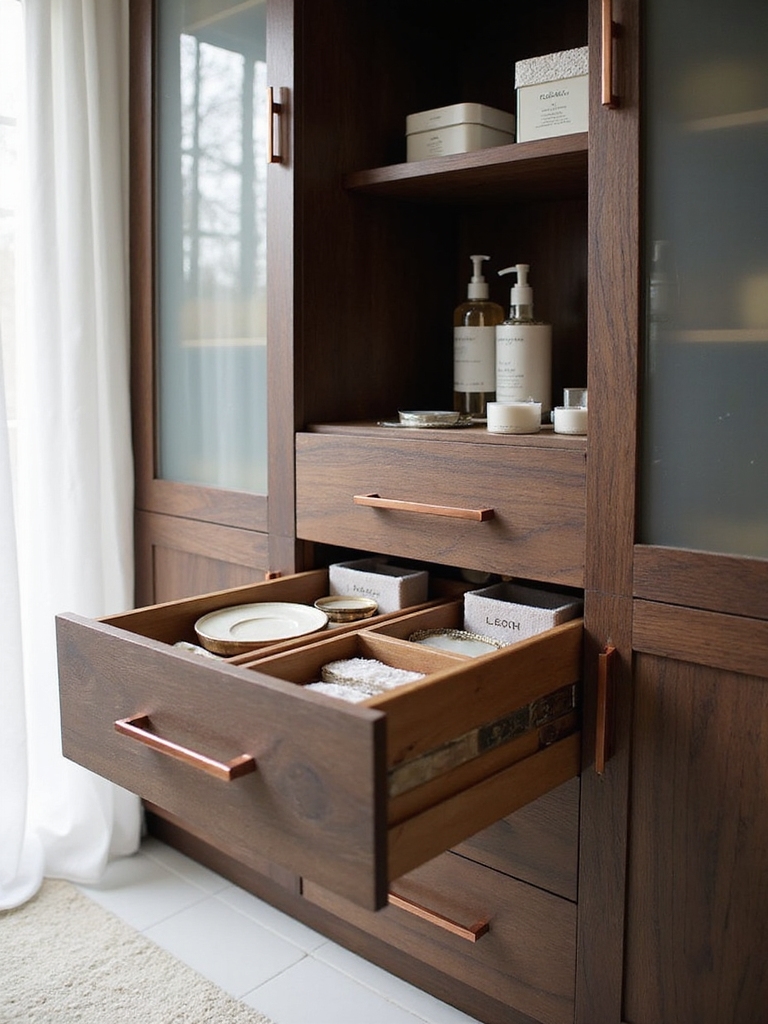
Two ideas do more for a bathroom closet than anything else, and both use space you are already ignoring. The first is the back of the door. An over-the-door organizer hangs there for $15 to $30 and holds a startling amount, brushes, sprays, even a hair dryer, all at eye level and out of the way.
Steal the Door and the Deep Back Shelf
The second is the pull-out shelf. Adding a sliding shelf or a basket on runners to a deep closet means the back stops being a black hole you have to dig through. One pull brings everything forward, which is the difference between using your full closet depth and only ever reaching the front foot of it.
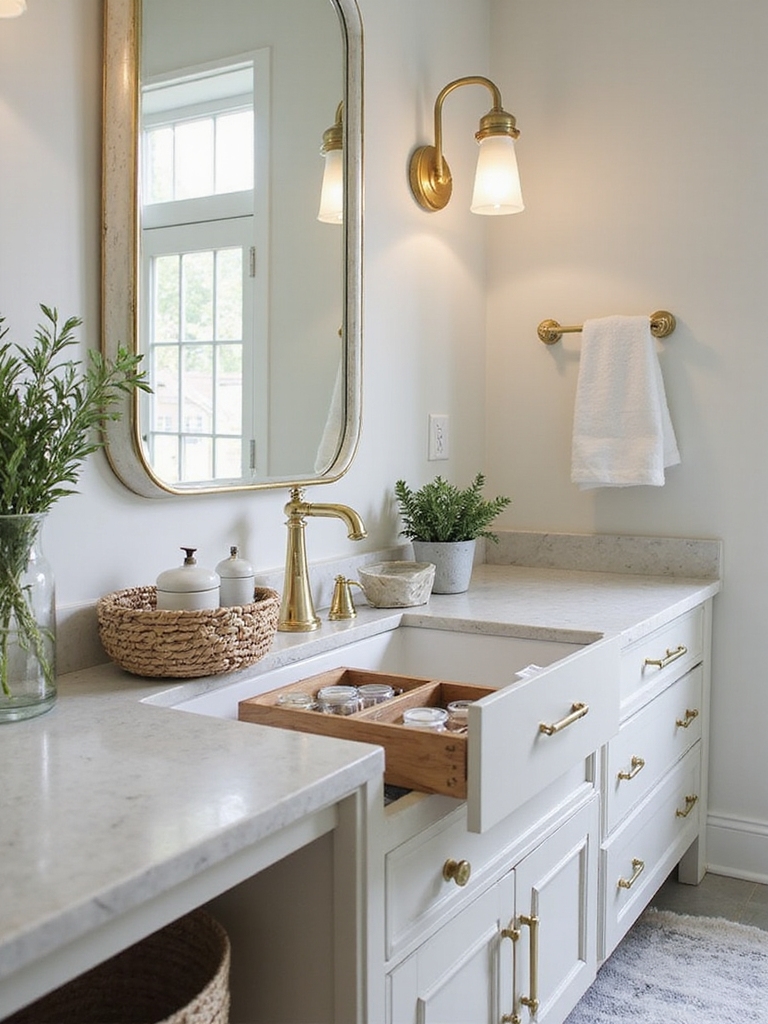
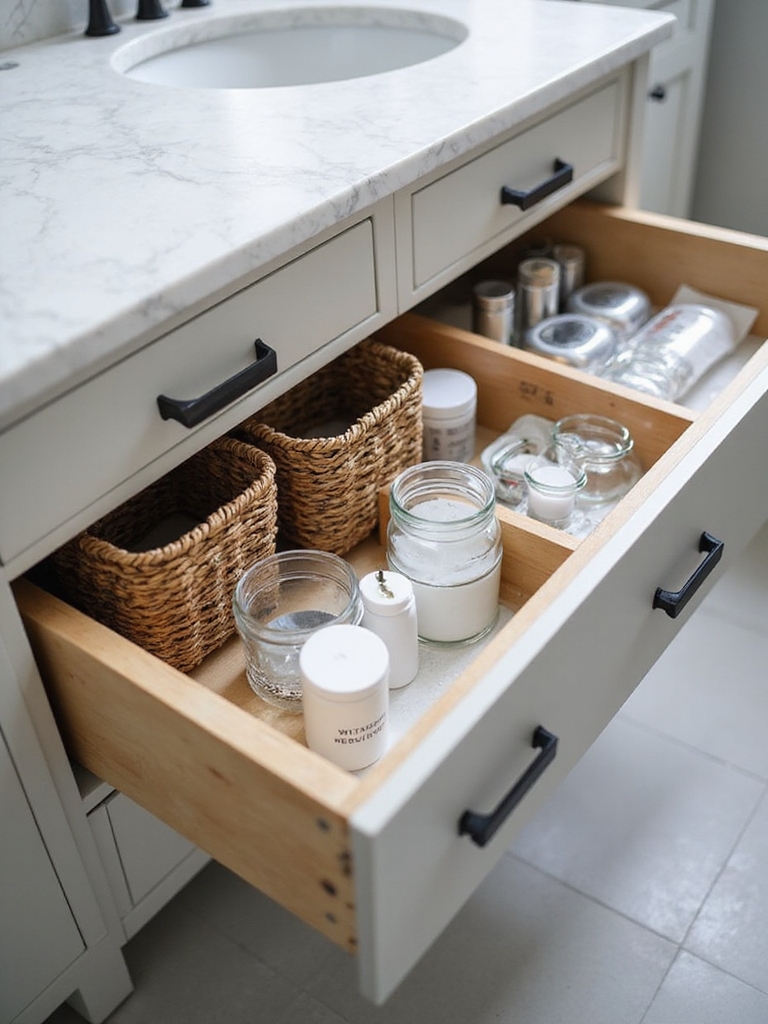
Double-duty fittings finish the job. A shallow drawer inside a deep cabinet, a lazy Susan in the corner, a divided tray on a shelf. Each one makes the existing space work harder, the same way the right fittings do in these storage-obsessed cabinet ideas.
Stylist’s Note
Buy your bins after you measure, never before. The most common closet mistake I see is a cart full of pretty containers that do not fit the shelf gap by half an inch, which sends half of them right back to the store.
A Visual System for Efficient Storage
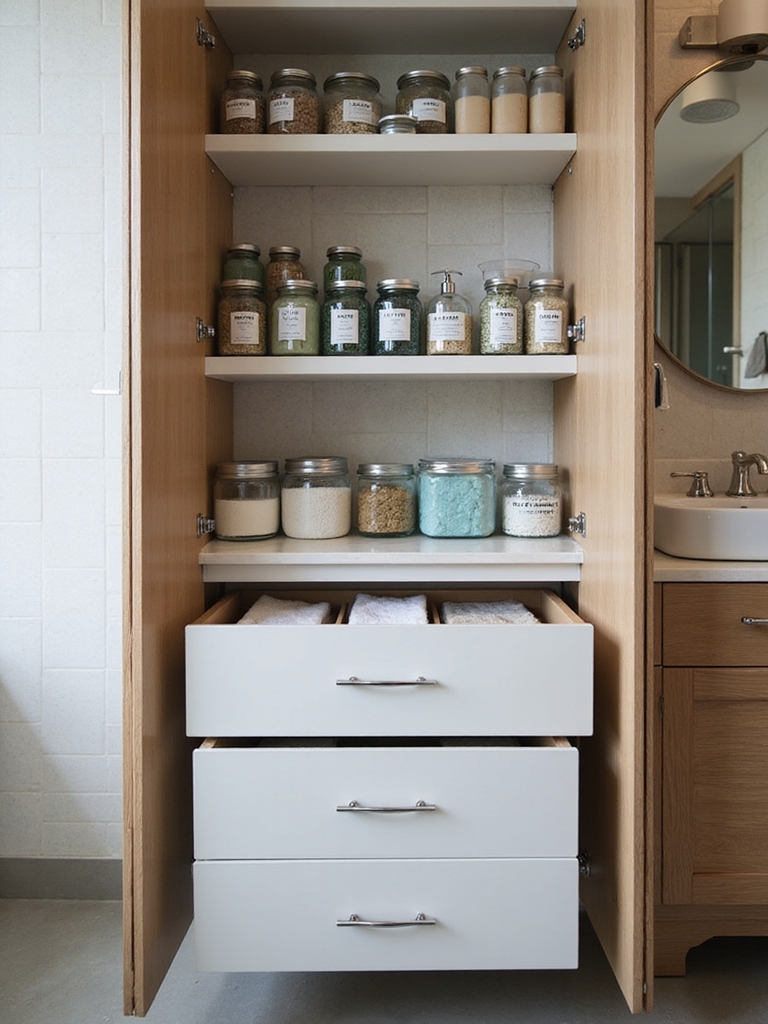
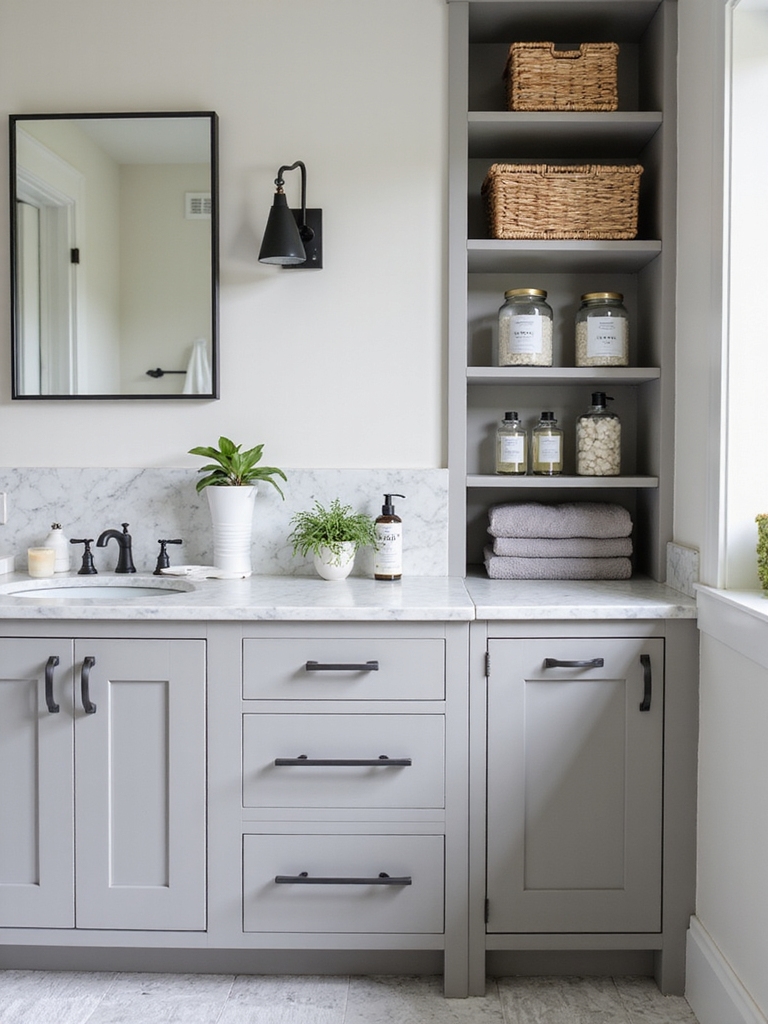
The fastest closet is the one you can read at a glance, and that comes down to seeing your stuff. Clear containers and a few labels turn rummaging into reaching. Here is how I make a closet scannable:
- Decant backups into clear jars and bins so you can see what you have and what is running low.
- Label the front of every bin so anyone can return an item to the right spot.
- Add a tray liner under loose items to corral the small things and wipe clean fast.
Pegboard and Over-the-Door Tricks for Tight Closets
When the shelves are full and the floor is taken, the walls and door are your last frontier. A pegboard panel mounted inside a closet turns a flat wall into a flexible grid you can rearrange anytime, with hooks for brushes, small bins for cotton rounds, and a shelf for a basket. It runs about $20 to $40 and adapts as your needs shift.
Over-the-door racks deserve a second mention because they are that good in a tight closet. They cost little, install in minutes with no tools, and use a surface that was doing absolutely nothing. I add one to nearly every closet I organize, and clients are always surprised by how much it swallows.
The mindset for a small closet is to look up and out, not just at the shelves. Every door, side wall, and inch of vertical gap is potential storage. Use all of it before you decide the closet is too small, and most closets quietly turn out to be big enough after all.
Linen Storage That Actually Breathes
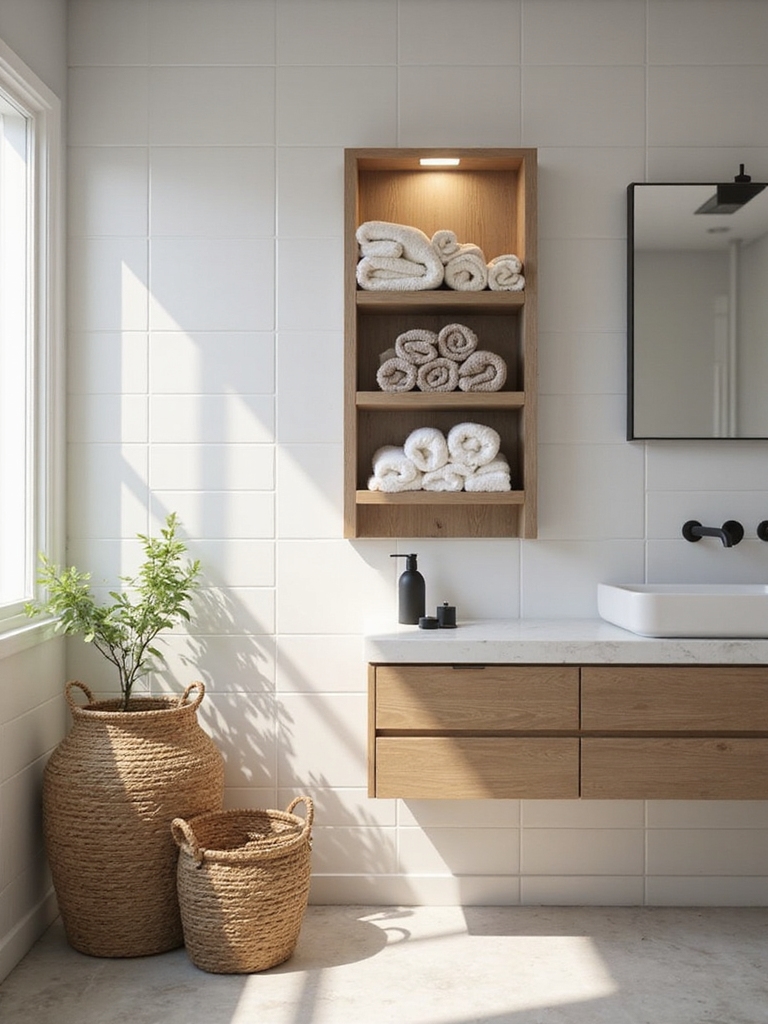
Towels and linens have one need the rest of your stuff does not: airflow. Packed too tight in a humid closet, fabric traps moisture and starts to smell musty within a week. So I store linens with a little room around them, on open shelves or a towel tower, where air can move and fibers can finish drying between uses.
Group by type and use, then leave breathing room on purpose. Bath towels in one stack, hand towels in another, sheets folded in a labeled bin. A linen rail or a slatted shelf is ideal because it lets air circulate from below, which keeps everything smelling fresh far longer than a sealed plastic bin ever could.
- Store towels on open shelves or a slatted rail so air can circulate.
- Leave a finger’s width between stacks so fibers dry and odors do not set in.
- Keep a sachet or a small open box of baking soda on the shelf to absorb damp.
Keep It Tidy: A Maintenance Rhythm That Lasts
A closet system only holds if a small habit protects it. The reset is the hard part; staying reset is easy. I tidy whenever I grab a towel, run a short purge of empties each week, and do one bigger seasonal clear-out of what we stopped using. That rhythm keeps a closet from ever sliding back to the pile it started as.
Seasonal swaps keep it honest, too. Heavier towels and backups move to the front in winter, lighter linens in summer, and anything untouched for a season earns a hard look. It takes fifteen minutes a few times a year and prevents the slow creep of stuff you forgot you owned.
The labels do the quiet work in between. When every bin is marked, the whole household returns things to the right home, and the system survives a busy week without you policing it. That is the real payoff here: a closet that mostly maintains itself.
Do Not Forget the Closet Floor
The floor of a bathroom closet is prime storage that most people leave as a junk heap, and reclaiming it is one of the easiest wins in the whole space. I slide in a couple of rolling bins or labeled baskets so the heavy, bulky things, extra toilet paper, the bag of cleaning supplies, the backup shampoo, live in containers that pull out with one tug instead of getting buried in a pile against the back wall.
Lift the rest off the floor and onto a low riser. A short two-tier shelf or a stacking crate keeps items visible and off a floor that can get damp, which matters more in a bathroom than anywhere else in the house. Bins beat loose piles every time. They corral the mess and they move.
One more floor trick I use constantly is a slim shoe organizer laid flat in a deep bin or hung low, which turns into perfect divided storage for cleaning bottles, sponges, and refills. It is a two-dollar fix that quietly solves the messiest corner of most closets, and nobody ever guesses where the order came from.
Best Closet Type for Each Idea
Not every idea suits every closet, so match the fix to what you have. A deep reach-in closet gets the most from pull-out shelves and clear bins, since the problem there is reaching the back. A narrow or shallow closet benefits more from the door, pegboard, and vertical rods, where the walls do the heavy lifting.
A small linen closet wants breathing room above all, so lead with open shelving and a rail and resist over-packing it. Whatever you have, start with the audit and one cheap vertical fix, then build from there. Style any open shelf the way you would an open-shelf display so the closet looks as good as it works.
Bathroom Closet Questions, Answered
?How do I organize a small bathroom closet on a budget?
Start with the audit, then add cheap vertical and door fixes. A tension rod, a couple of shelf risers, an over-the-door rack, and a few clear bins cover most closets for well under sixty dollars. Edit first and you own fewer organizers, so buying less is the whole win.
?How do I keep towels from smelling musty in a closet?
Give them airflow. Store linens on open shelves or a slatted rail with a little space around each stack so fibers can dry and air can move. Avoid packing them tight or sealing them in plastic in a humid bathroom, and a sachet or open box of baking soda helps absorb damp.
?What is the best way to use the space at the back of a deep closet?
Add a pull-out shelf or a basket on runners so the back comes to you with one pull. Deep closets fail because the back becomes unreachable, so anything that slides forward, or clear bins you can lift out, turns that lost depth into usable storage.
Steal One Idea and Start Today
An organized bathroom closet is almost never about more space; it is about using the space you have, the wasted gaps, the door, the deep back shelf, that was quietly going to waste. Audit it, claim the vertical and door room, make everything visible, and protect it with a quick daily habit, and the same closet does double the work.
Pick the one idea that fits your closet and your afternoon, whether that is a tension rod or an over-door rack, and just start. You do not need a renovation or a bigger house to fix this, only a smarter plan and a few cheap parts, and the calm of opening a closet that finally makes sense is worth every minute.