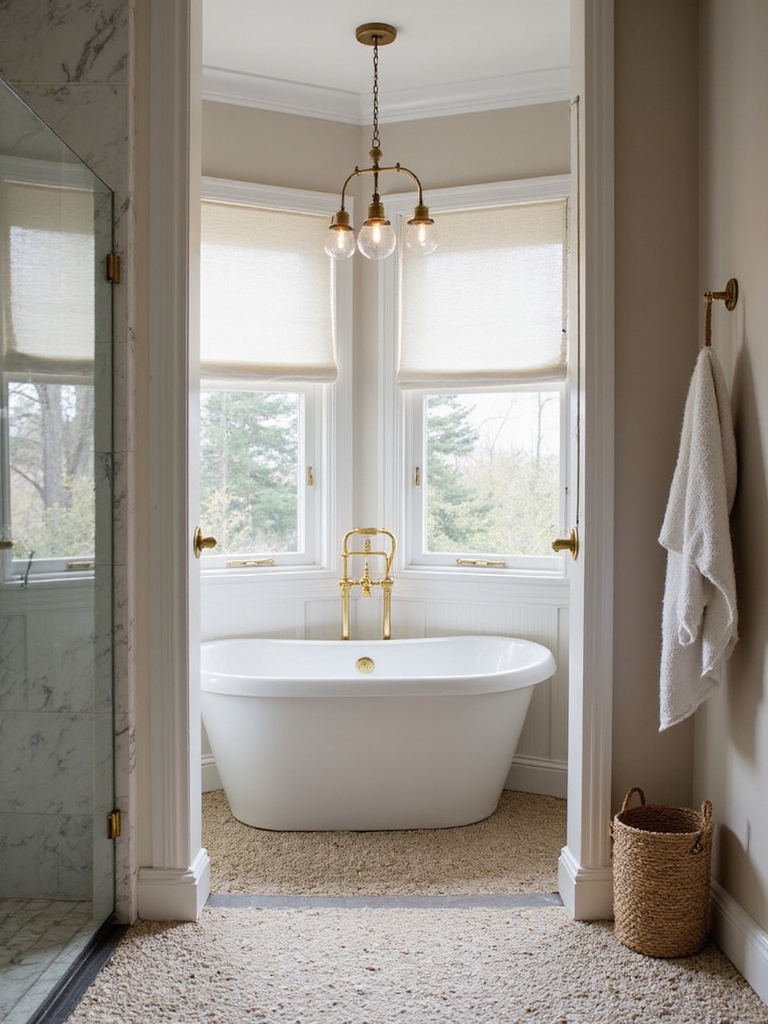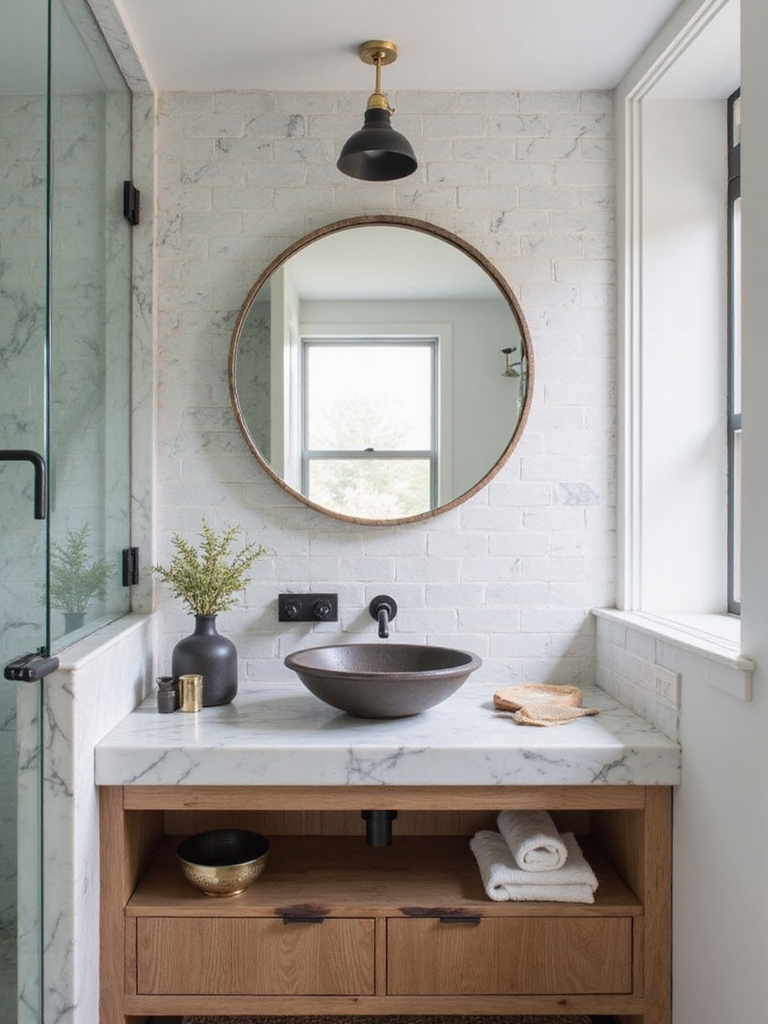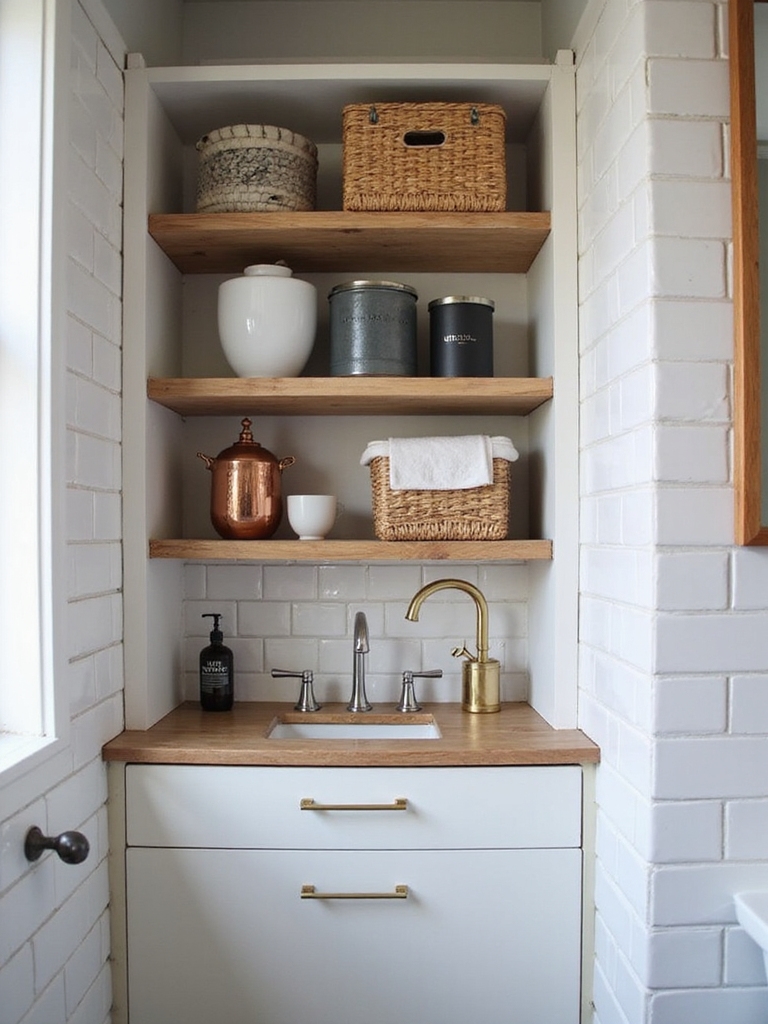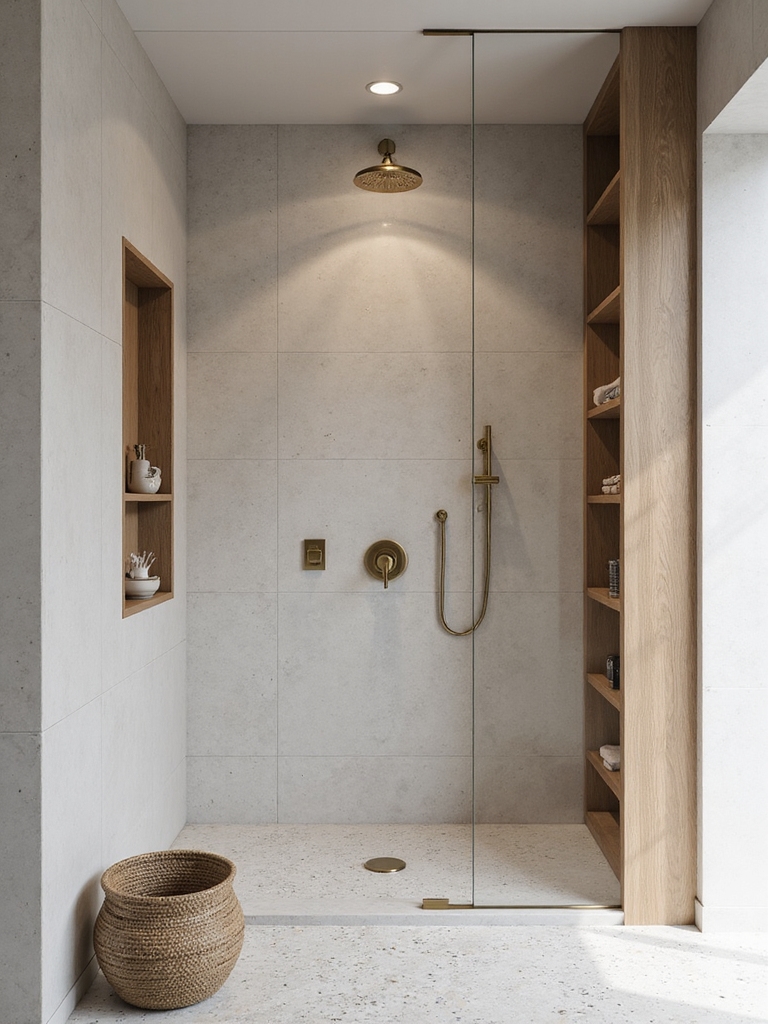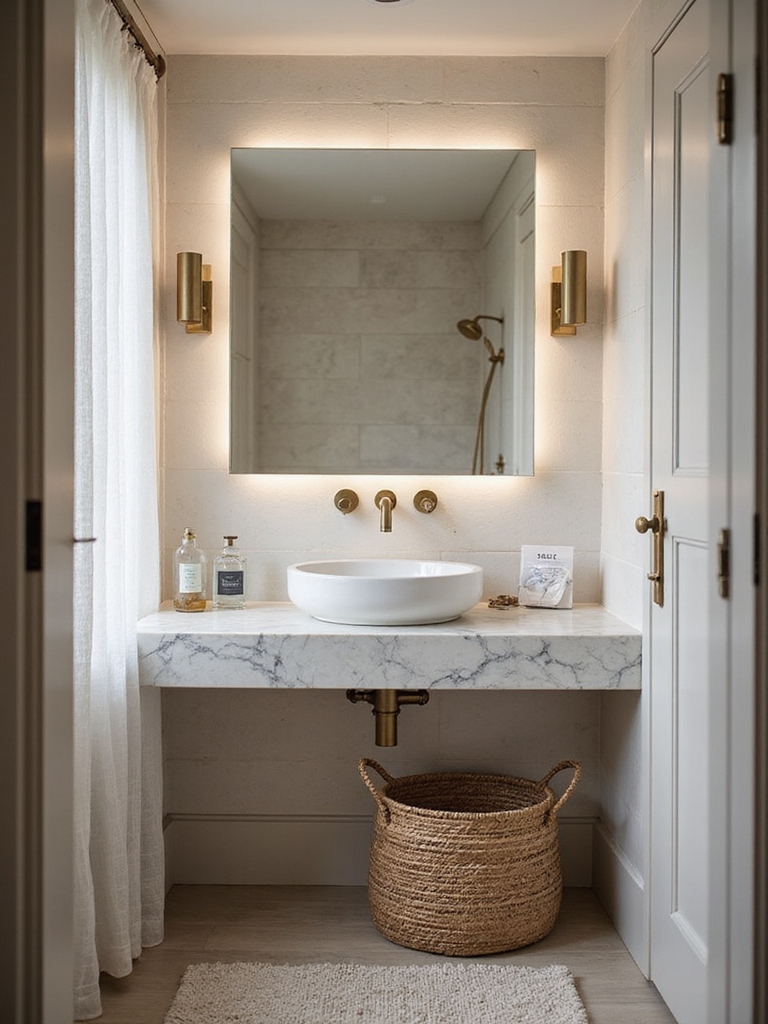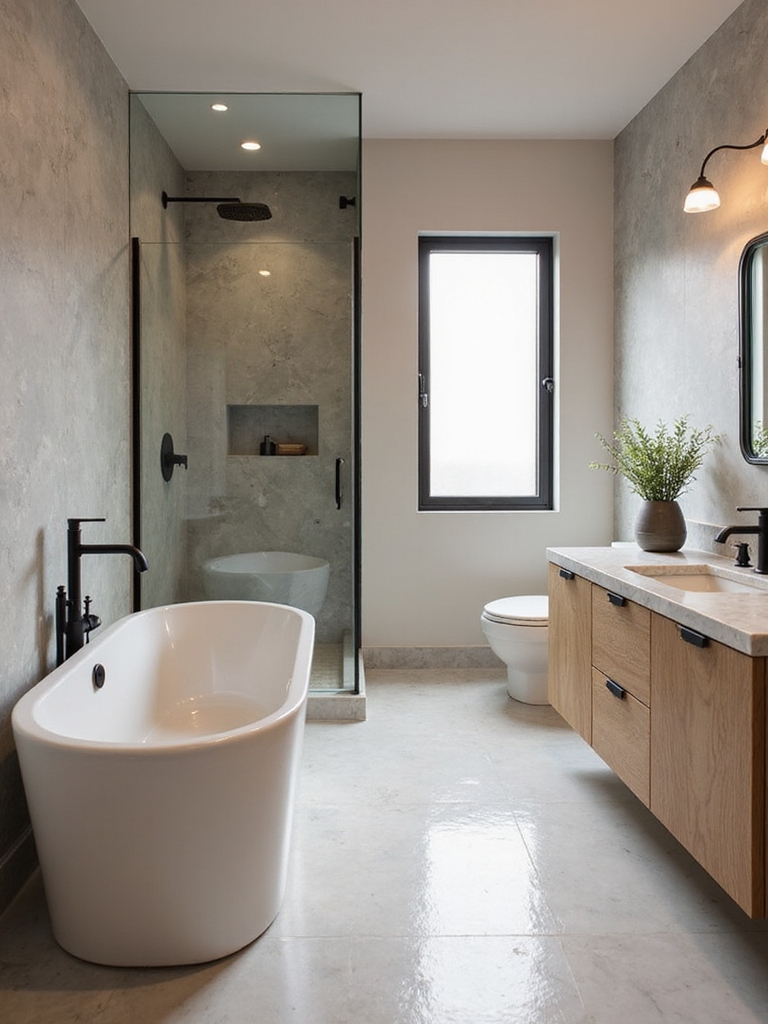
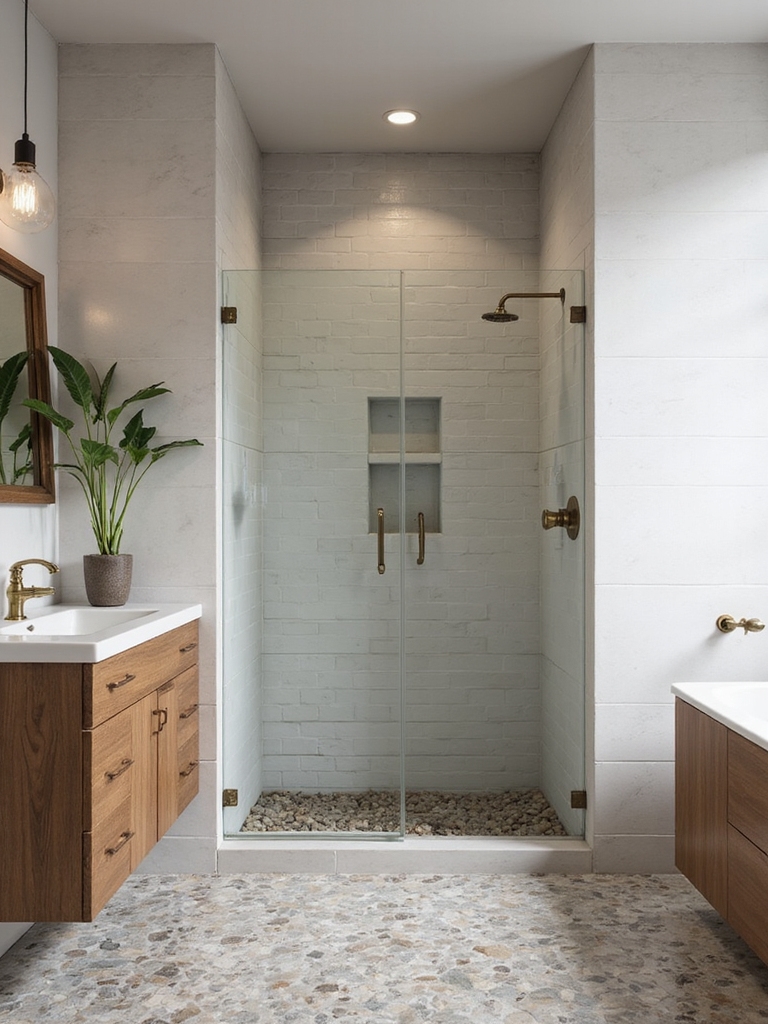
I’ve drafted 14 tiny bathroom ideas with smart shower layouts you can copy, proving a compact footprint can still feel calm and functional. Think corner-curved niches that double as storage, walk-in rain showers that read larger, and sliding doors that keep traffic smooth. I focus on storage, lighting, and easy-to-clean materials so every inch counts. You’ll see budget-friendly swaps that look premium too. If you keep following, you’ll get even more practical tips to apply.
Why Tiny Bathrooms Benefit From Clever Shower Layouts
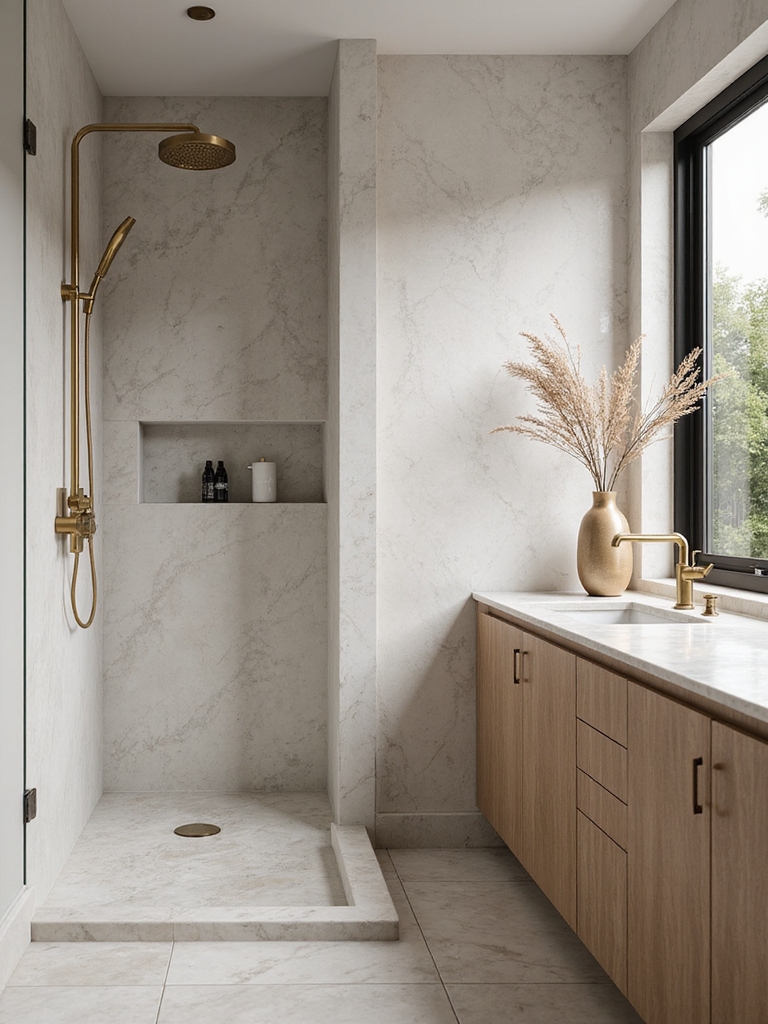
Shower layouts can make or break a tiny bathroom, so I prioritize clever placement that frees up floor space and keeps daily routines flowing smoothly.
Clever layouts boost usability, reduce clutter, and feel calmer. I pair compact fixtures with smart doors and troughs, so you gain storage without crowding.
You’ll move through mornings more smoothly, inspired by practical, attainable space-saving design. Incorporating clever storage solutions is essential for maximizing every inch in small bathrooms.
Measure First: Space-Saving Shower Dimensions That Work
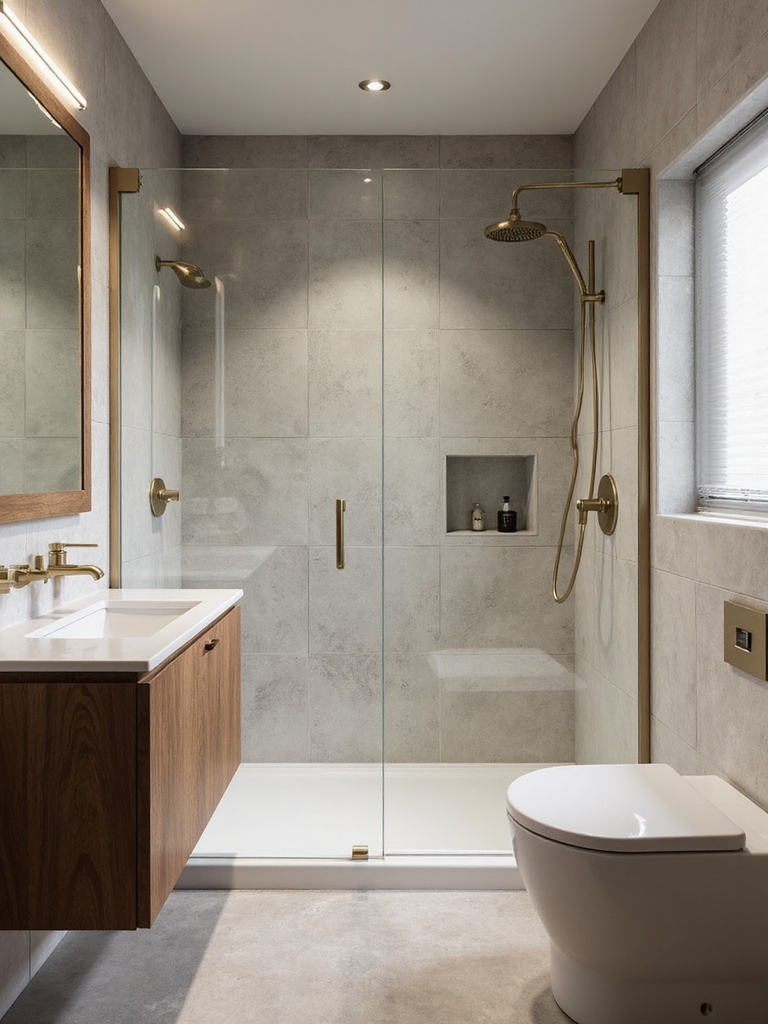
Before you start choosing fixtures, grab a tape measure and map out your space. I measure door widths, tile footprints, and niche depths, then sketch a grid to optimize flow.
Small showers thrive on precise dims, rounded corners, and a clear shower door sweep. Every centimeter saved boosts storage, comfort, and light.
- Prioritize achievable widths over aesthetics
- Include a built-in niche for essentials
- Plan door swing that doesn’t pinch
- Use compact fixtures with generous clearance
- Leave space for a seat or stool
Consider incorporating stylish design elements from small bathroom shower ideas to maximize both function and visual appeal.
Corner Curves vs. Quadrant Stalls: Making the Small Footprint Fit
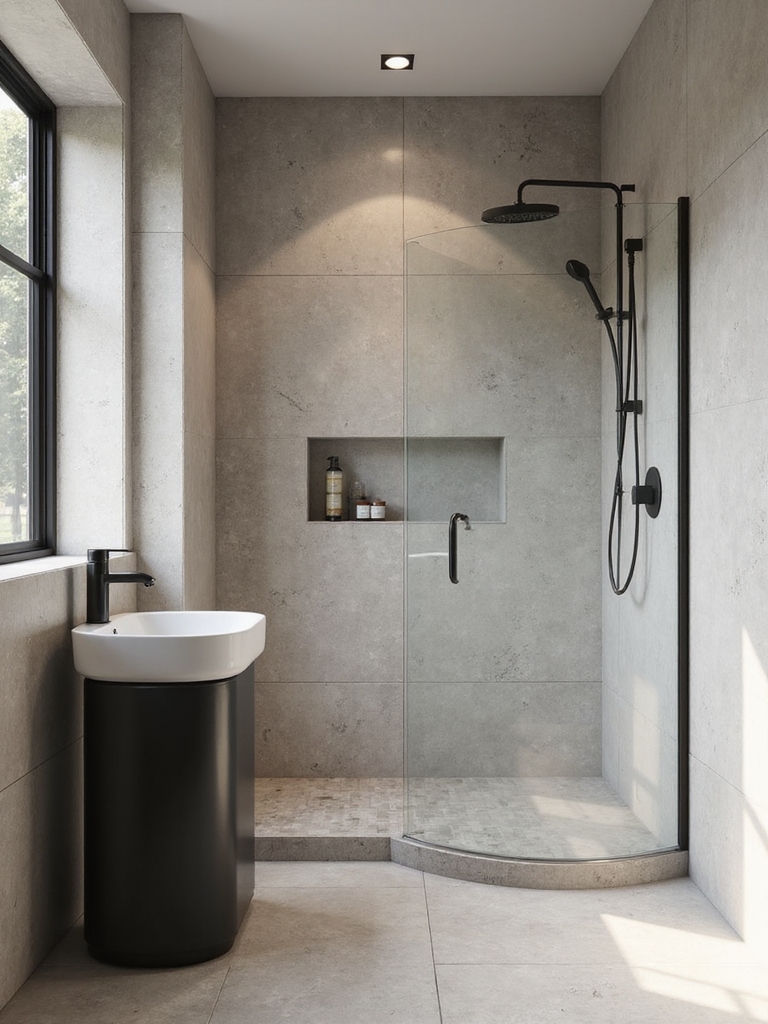
I’m curious how Corner Curve Efficiency stacks up against Quadrant Stall Footprint when we’re squeezing a bath into a tight corner.
I’ll weigh ease of use, clean lines, and how each option reshapes the space you actually live in.
Let’s explore real-world tweaks that make either choice feel roomy, not cramped.
Incorporating innovative small bathroom ideas can further maximize functionality and style in these compact layouts.
Corner Curve Efficiency
Corner curves can dramatically expand a tiny bathroom’s footprint by delivering a smooth, space-saving conversion that quadrant stalls simply can’t match.
I’ve seen the difference in flow, light, and accessibility, and it feels purposeful rather than cramped.
Here’s how it helps:
- Maximizes usable stall space without bulk
- Improves door swing and entry comfort
- Enhances visual openness
- Reduces maintenance nooks
- Encourages cohesive design decisions
Quadrant Stall Footprint
One simple truth guides tiny bathrooms: corner curves beat quadrant stalls for making the footprint feel bigger without sacrificing function.
I’ve found quadrant stalls often waste space, while a curved edge invites movement and light.
You’ll gain room for a towel shelf, a narrow bench, or a better door swing.
Small tweaks, big impact, calmer mornings, happier spaces.
Designing Walk-In Rain Showers That Feel Roomier
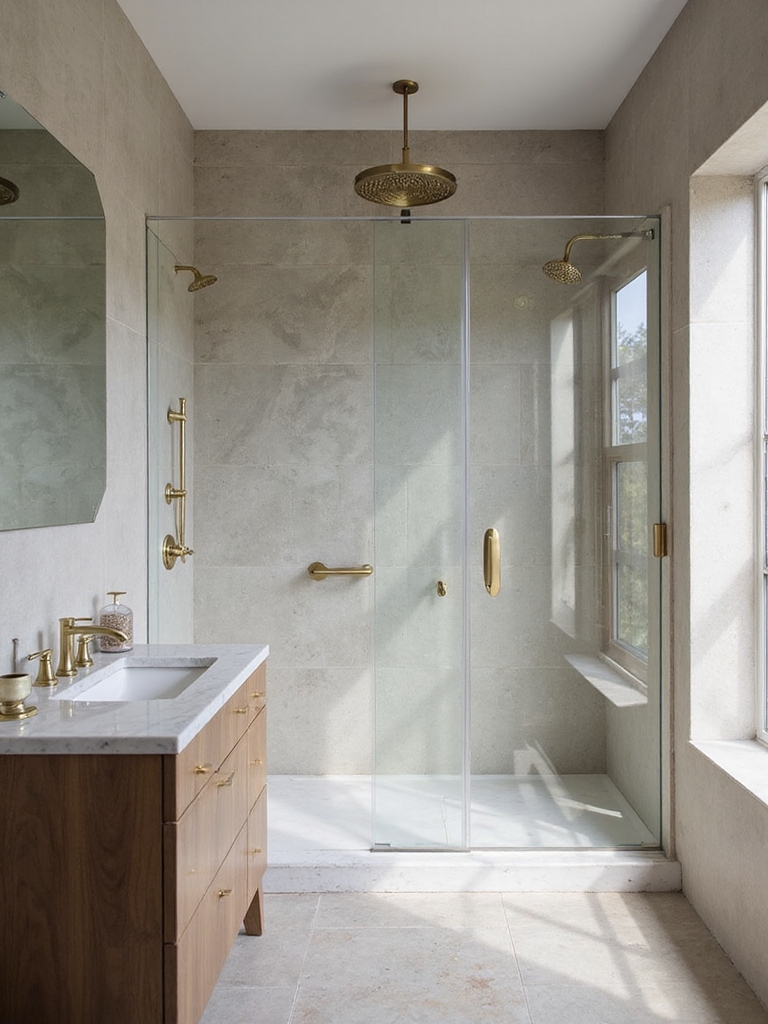
A walk-in rain shower can feel surprisingly roomy with a few simple choices. I pick clear glass, minimal hardware, and a seamless threshold to smooth the line between room and water.
Curated textures and warm lighting balance scale.
Now, five ideas to feel space anew:
- use lighter grout
- extend tile to ceiling
- hide niches
- install a slim drain
- choose a single, soft accent color
Incorporating stylish bathroom tile designs can elevate the overall aesthetic while maintaining a spacious feel.
Sliding Doors and Pivot Panels to Save Space
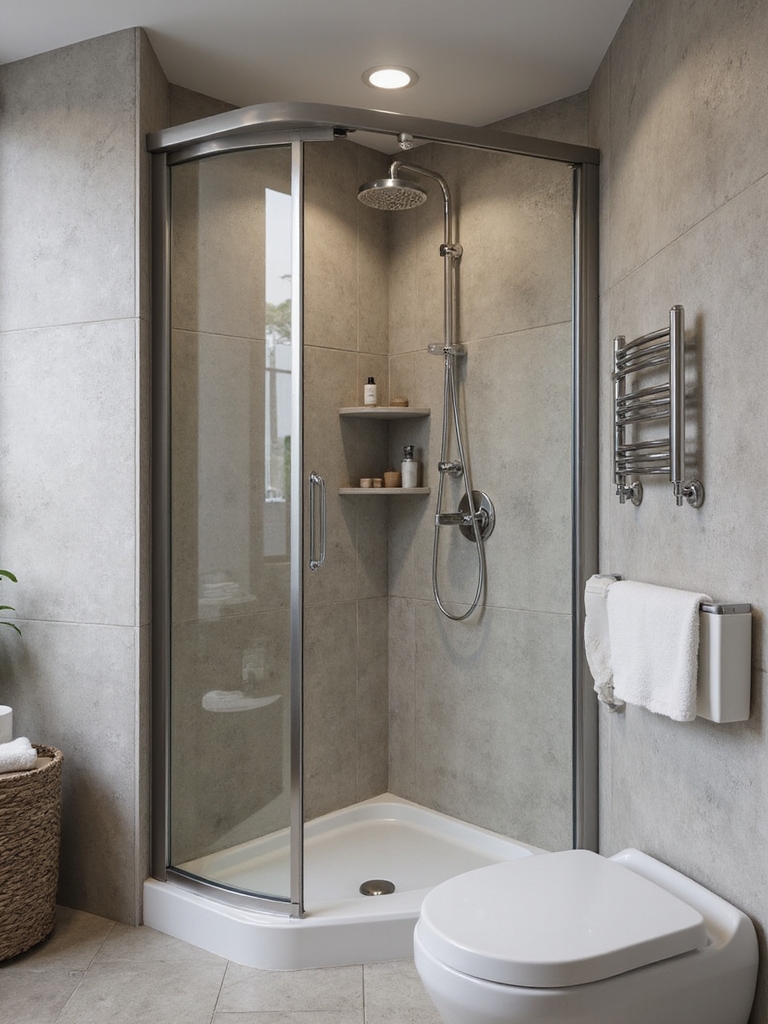
I love exploring space-saving panels and sleek sliding doors that open up a tiny bathroom without crowding it.
With pivot panels tucked away and smooth slides, you get privacy without sacrificing floor space or light.
Let’s look at how these ideas can feel practical and aspirational in real life.
Incorporating these elements is key to creating smart solutions for small bathroom spaces that maximize functionality and style.
Space-Saving Panels
- Choose slim-profile tracks for minimal visual weight
- Opt for frosted or textured panels for privacy
- Use bi-fold or pivot designs to save floor space
- Favor units that integrate shelving or towel hooks
- Prioritize durable, water-resistant finishes for longevity
Sleek Sliding Doors
I love how they glide, revealing or closing space with quiet confidence. They save floor area, suit tight layouts, and pair with moisture-friendly finishes.
With careful hardware, they stay sturdy, stylish, and relentlessly practical for everyday use.
Wet-Zone Zoning: Boundaries That Keep Water Contained
Wet zones in a tiny bathroom can feel like a design challenge, but with clear boundaries, they become a source of calm rather than chaos.
I share practical tips to keep water contained without clutter. You’ll gain confidence, flow, and serenity as boundaries guide every shower moment.
- defined shower edge
- water-repellent surfaces
- a shallow curb or threshold
- glass dividers for visibility
- towel and mat placement that dries fast
Maximizing space with clever design choices is key to making even the smallest bathroom feel larger and more functional, as highlighted in Maximize Space strategies.
Built-In Niches: Storage That Vanishes Into the Walls
Built-in niches let’s hide storage in plain sight, so shelves and compartments feel seamless rather than separate, clutter-busting features.
I love how these recessed spaces keep counters clear while still giving you room for daily essentials and a touch of décor.
Let’s explore clever layouts that blend with the walls and keep every item easy to reach.
Many tiny bathroom storage ideas DIY anyone can build involve incorporating these niches for maximizing space efficiently without overwhelming the room with bulky furniture or shelving units, making them a perfect clever storage solution.
Seamlessly Integrated Shelves
- Maximize vertical space with shallow depths
- Use moisture-resistant materials
- Align with plumbing for clean lines
- Keep edges soft to avoid snagging
- Personalize with a single accent basket
Hidden Storage Solutions
Hidden storage can feel like magic in a compact bathroom, because built-in niches vanish into the walls while still giving you real, ready-to-use space.
I love how they stay out of sight yet hold daily essentials, towels, and plugins without crowding.
You’ll gain surface area, decluttered counters, and a calmer mood, guiding your shower layout toward calm, efficient flow.
Light and Color Tricks to Create Openness
Even a small bathroom can feel airy if you light it right and use color wisely.
I’ll show you how light, reflective surfaces, and soft palettes open space without shouting. You’ll feel calmer, not crowded, with thoughtful accents guiding the eye.
Here are practical cues.
- Choose cool whites and pale neutrals
- Use mirrors to bounce light
- Opt for frosted, translucent textures
- Keep fixtures sleek and uncluttered
- Add a single, warm accent color
Incorporating smart storage solutions can further enhance openness by reducing clutter and maximizing space efficiency.
Compact Enclosures: Clever Curves That Maximize Space
Compact enclosures prove that curves can steal space in the best possible way.
I’ll show you how rounded shower bays soften edges, reduce visual clutter, and free floor area for organizers. By embracing gentle arcs, you gain storage nooks and a smoother flow.
It’s practical, achievable, and quietly aspirational—creating a cozy bath that feels bigger without sacrificing function or style.
Many tiny bathroom designs emphasize space-saving solutions that enhance both utility and aesthetics.
Accessible Layouts: Safe, Stylish, and Space-Smart
I’m excited to explore safe, stylish layouts that make mornings easier and evenings calmer.
We’ll look at space-smart shower design and accessible safety features that blend with the look you love.
Let’s plan a tiny bathroom that feels roomy, practical, and thoughtfully put together.
Incorporating creative solutions for small bathroom spaces can transform even the tiniest areas into functional and beautiful retreats.
Safe, Stylish Layouts
When you’re planning a safe, stylish bathroom, start with a layout that keeps essentials within easy reach and movement smooth.
I prioritize clear sightlines, reachable storage, and slip-resistant paths, so every morning feels calm, not chaotic.
- Place towels and basics near the door for quick access
- Use a single, open vanity to reduce clutter
- Keep a shower bench within reach of seats
- Install grab bars where you stand most
- Choose soft, non-slip floor materials
Space-Smart Shower Design
Ever wondered how to fit a spa-like shower into a small bathroom without sacrificing safety or style?
I’ve learned that clever layout, corner shelves, and a frameless glass door visually expand space.
Choose a slim-but-sturdy shower base, narrow niches, and soft, reflective tiles.
I design with practical comfort, aspiring elegance, and a calm, clutter-free vibe you can recreate today.
Accessible Safety Features
In small bathrooms, safety doesn’t have to feel clinical; it can blend seamlessly with style, comfort, and space-smart design.
I share practical tweaks that protect without interrupting mood or flow, so you feel supported and calm every day.
- Slip-resistant floors
- Grab bars near shower and toilet
- Heated, anti-slip mats for warmth
- Accessible storage at arm’s reach
- Lever handles for easy use
Budget-Boosting Swaps That Look Premium
Small upgrades can make a big impact, and you don’t have to break the bank to get a premium look.
I pick practical swaps: switch to matte fixtures, swap hardware for pulls, paint walls a soft, timeless tone, and add easy-grip organizers.
Quality silhouettes over brand names keep costs down.
Small details tally into a polished, cohesive, affordable bathroom upgrade.
Lighting and Mirrors That Double Perceived Size
We’ve already upgraded the details to look premium on a budget, and now we can supercharge that effect with lighting and mirrors.
I share practical tweaks to brighten, reflect, and visually expand your space without fuss.
- Add a large, frameless mirror to bounce light and enlarge the room.
- Choose warm LED bulbs for cozy, inviting glow.
- Install vertical lighting to draw eyes upward.
- Use reflective surfaces for depth without clutter.
- Opt for hidden under-cabinet LEDs for subtle ambiance.
Moisture-Resistant Materials That Stay Easy to Keep Clean
Ever wonder how to keep a bathroom gleaming with minimal effort?
I choose moisture-resistant materials that resist mold, mildew, and warping, yet stay easy to wipe clean. Think porcelain tiles, quartz countertops, enamel-painted cabinets, and solid-surface surfaces.
I favor grout with stain-resistant sealant and low-porosity wallpaper alternatives.
The result: a calmer bathroom that stays fresh, durable, and wonderfully simple to maintain.
Copyable Small-Space Shower Layout Blueprint
When space is tight, a well-planned shower layout can feel like a miracle—compact, efficient, and easy to maintain.
I share a copyable blueprint that fits a narrow bath, brief lines, and smart corners, so you can replicate it with confidence and care.
- Prioritize a corner stall to maximize floor space
- Use clear or frosted glass for openness
- Install a hinged door to save room
- Choose a trough or linear drain for clean lines
- Add built-in niches for essentials
Conclusion
I hope these tiny-shower ideas spark big possibilities for your bathroom. With careful measurements, clever layouts, and calm materials, you’ll feel taller, lighter, and more organized every morning. Picture a walk-in rain shower that seems to widen the room, doors that glide without crowding, and clean, moisture-smart finishes that stay pristine with little effort. It’s a small space, but a design that makes you feel wonderfully at home—roomy, reachable, and totally doable. Your dream bath is within reach.