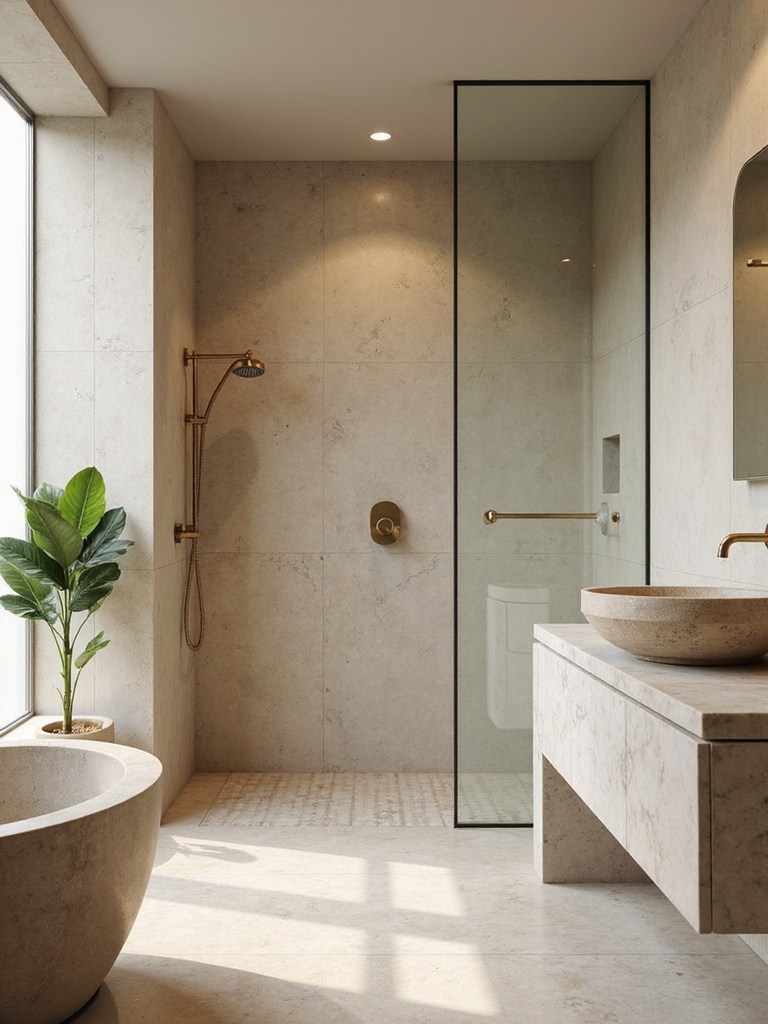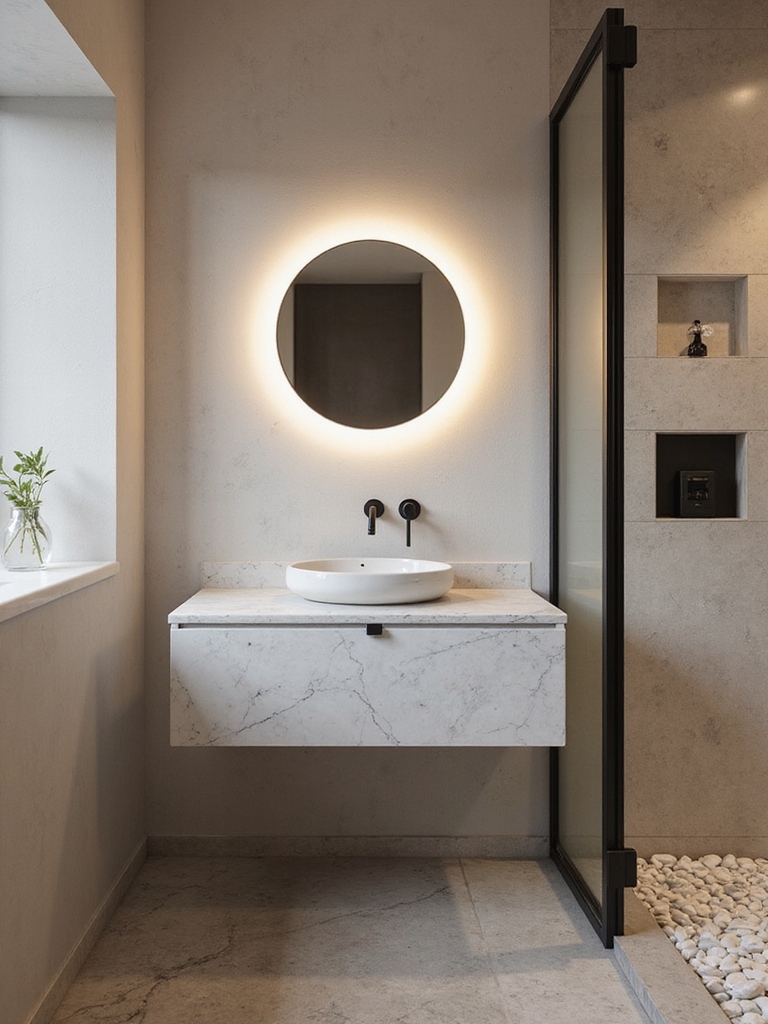
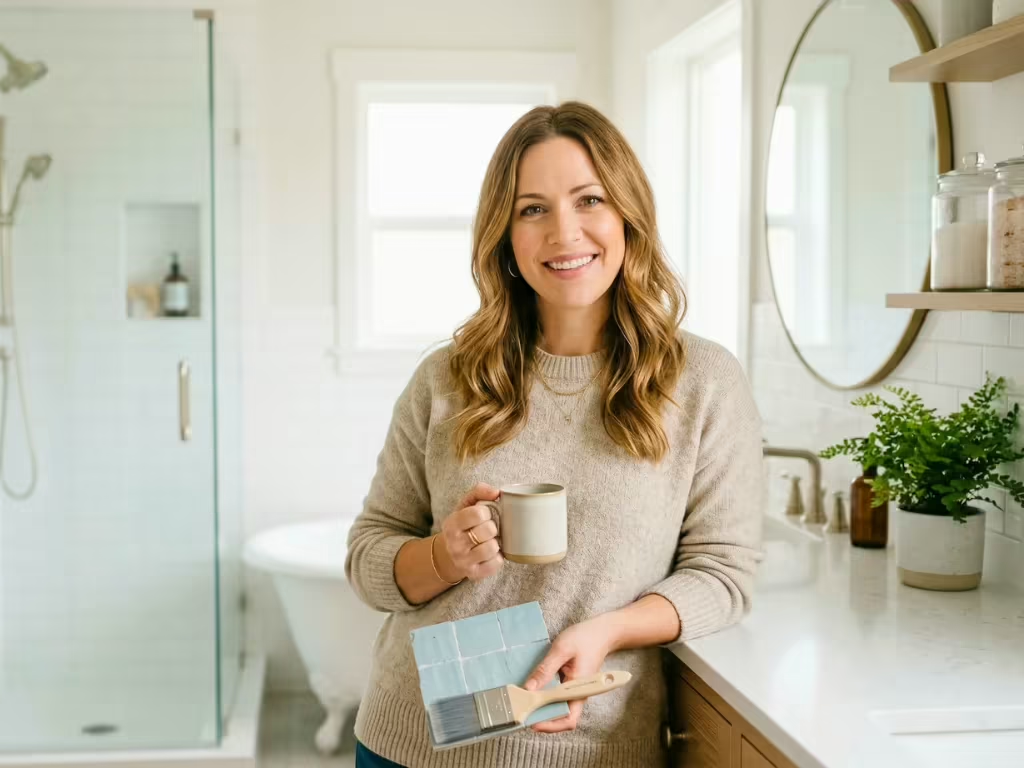
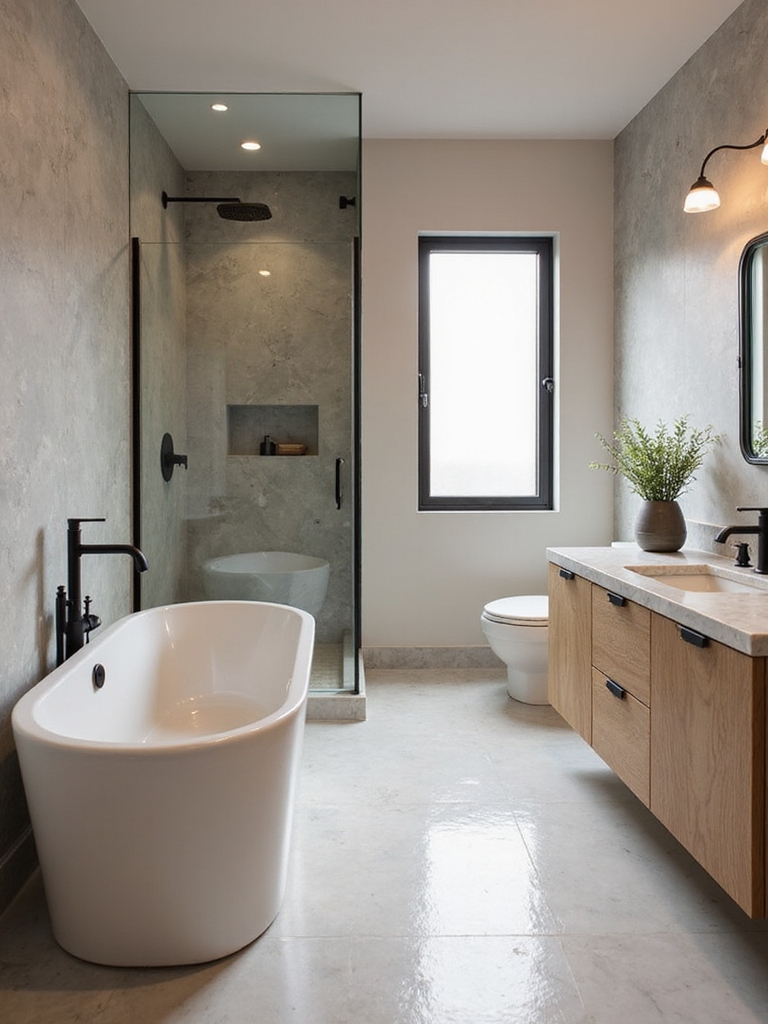
I’ve pulled together 15 tiny house bathroom ideas that are going viral for a reason: smart layouts, space-saving tricks, and stylish details that transform cramped spaces into airy, functional retreats. Expect floating vanities, pocket doors, fold-away tubs, and clever vertical storage that reclaim counters. I’ll share mirror strategies, humidity-proof materials, and budget-friendly upgrades that deliver big impact. If you want practical steps and real-world tweaks, you’ll find more insights to elevate your tiny bath soon.
What Tiny Bathroom Layouts Nail First Impressions
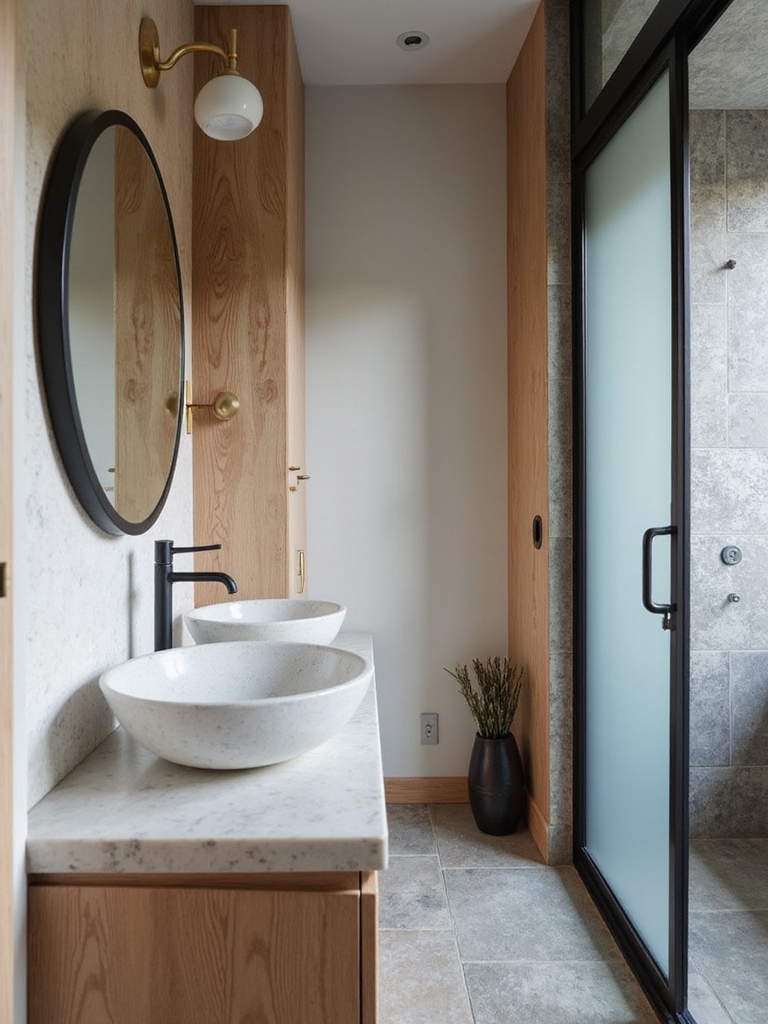
Small spaces feel instantly bigger when the layout directs your eye and traffic the right way.
I notice instant impact comes from clear sightlines, smart fixtures, and balanced zones.
I prioritize flow: entry then everyday use, with compact storage and a focal point that reflects you.
Practical choices, polished finishes, and aspirational details convert tiny spaces into confident, usable statements.
Incorporating innovative ideas can help maximize every inch and elevate the overall design.
How to Plan a Space-Saving Tiny Bath
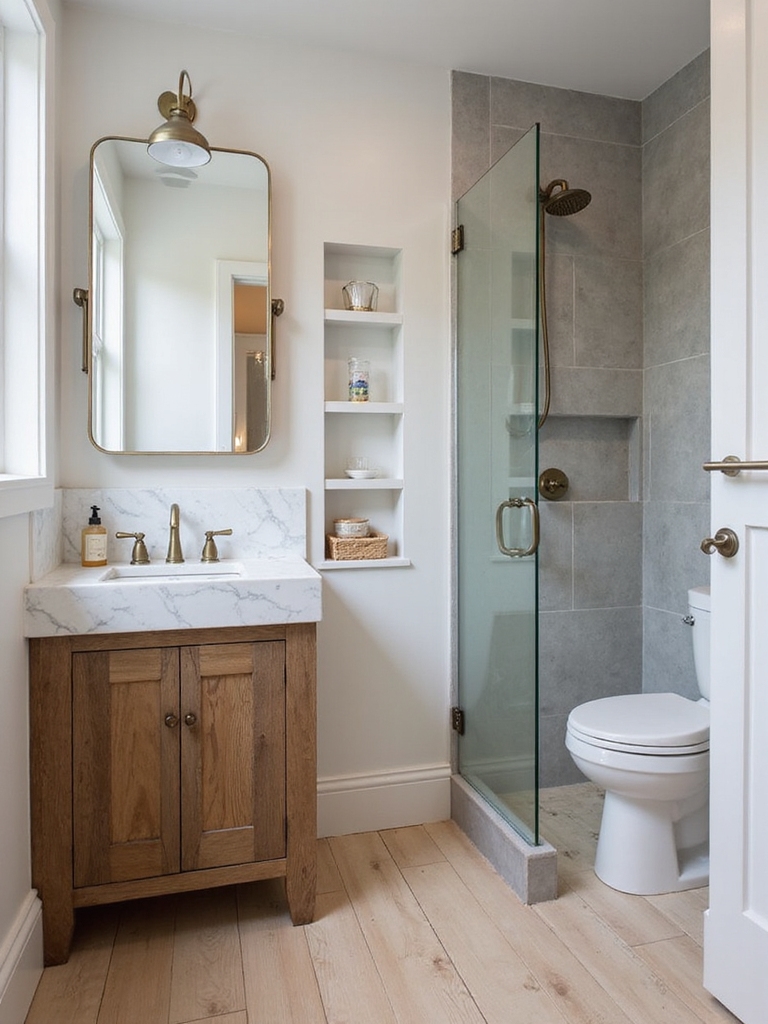
To plan a space-saving tiny bath, start with a clear vision of how you want it to feel and function, then map the path from entry to essential daily use.
I define zones, prioritize accessibility, and choose compact fixtures.
Measure every inch, reuse vertical space, and select multi-purpose components.
Stay disciplined, iterate, and reward yourself with a calm, efficient, beautifully practical retreat.
Incorporating smart solutions specifically designed for small bathroom spaces can maximize both functionality and style.
Installing a Floating Vanity for Airiness and Storage
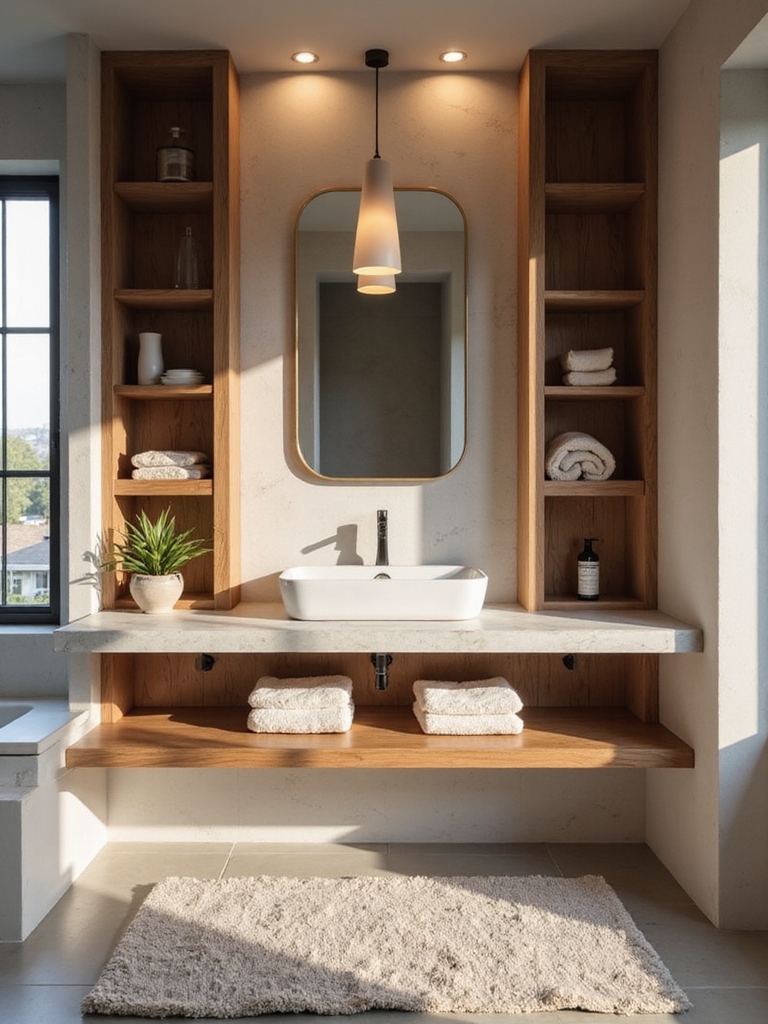
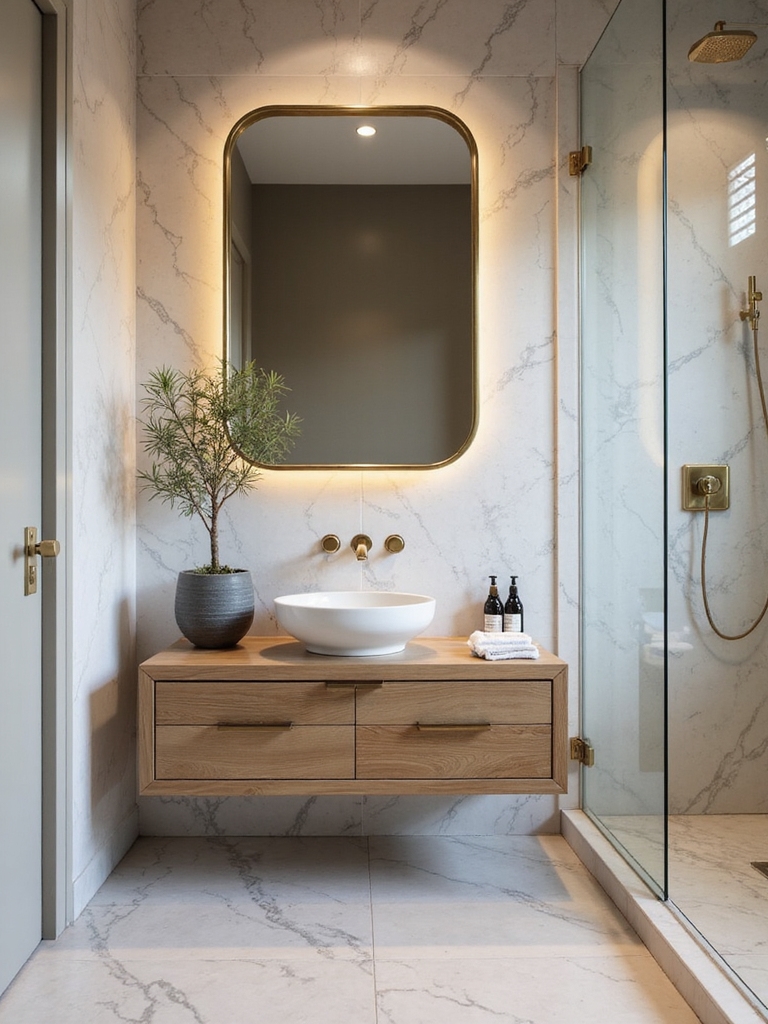
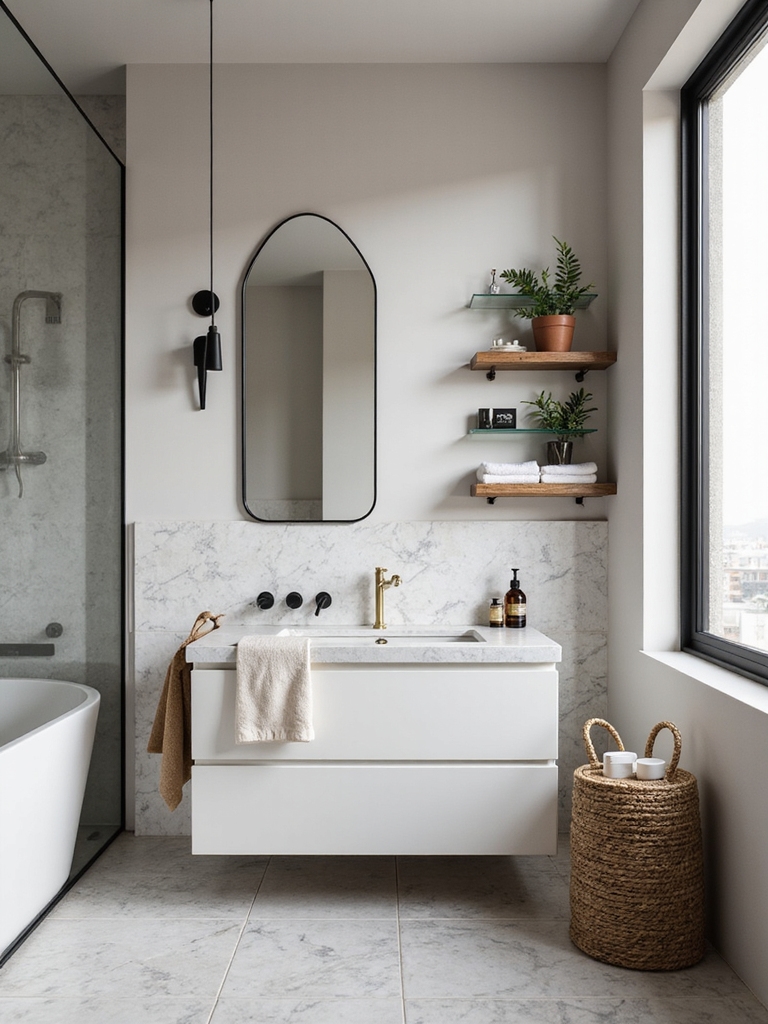
A floating vanity gives my tiny bath a lighter feel and makes room for storage without crowding the floor.
I’ll show you how its clean lines boost airiness while clever mounting or recessed legs hide clutter and cables.
Let’s explore the right height, depth, and hidden storage ideas that keep everything you need within reach.
Incorporating stylish solutions can transform your compact bathroom into a modern yet functional space.
Floating Vanity Benefits
Floating vanities instantly open up a tiny bathroom, creating a sense of airiness that makes the space feel larger.
I love how they reclaim floor space for movement, not clutter. They also offer practical storage beneath, which is hidden but accessible.
I’ve found installation straightforward, with clean lines and minimal hardware, keeping the room polished, calm, and endlessly adaptable.
Airiness Through Design
Installing a floating vanity instantly brings airiness and more floor space into a tiny bathroom, and I’ll show you how to maximize both atmosphere and storage.
I choose a slim, wall-hung model with a light finish and open shelves beneath.
Keep counter clutter minimal, install a single undermount sink, and mirror with built-in lighting to reflect space and boost daily ease.
Hidden Storage Potential
Hidden storage isn’t an afterthought when you install a floating vanity; it becomes a built-in part of your tiny bath.
I’ve found clever, simple options that maximize space without bulk. Here’s how I lean into it:
- Choose shallow drawers for daily essentials
- Use wall niches above the vanity
- Add a recessed mirror cabinet
- Store cleaning supplies under the sink without clutter
Pocket Doors: Open Up or Separate Zones
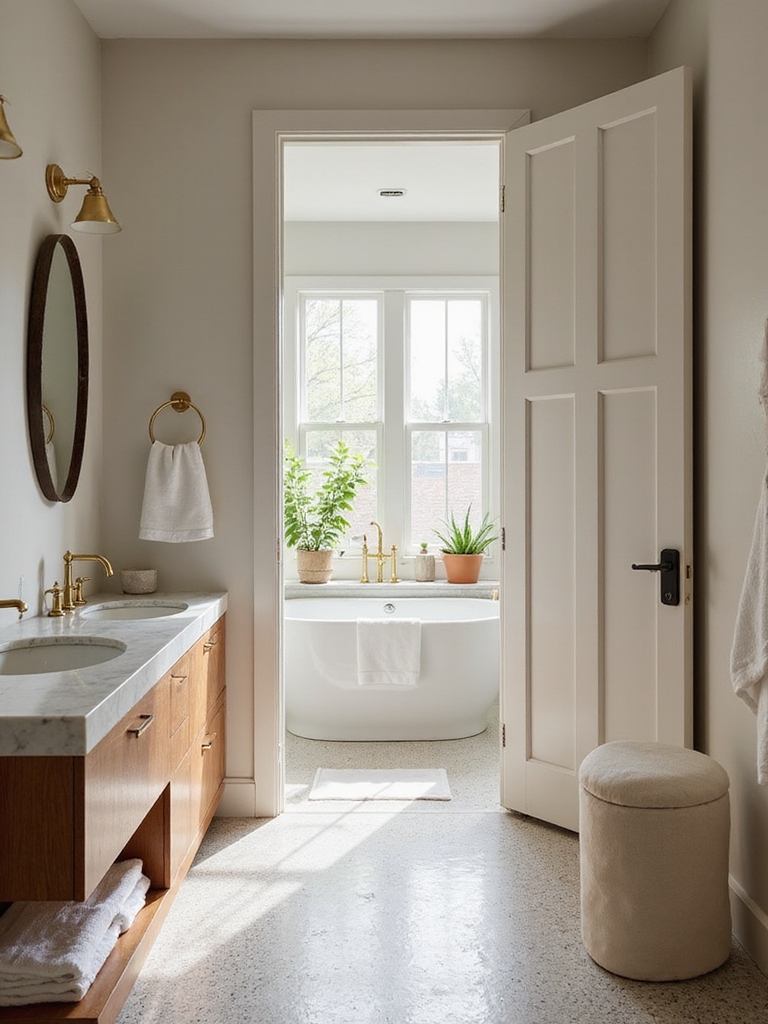
Pocket doors change how I use a tiny bath: they open space when I want a brighter, airy feel, or close it off for privacy when I need downtime.
I weigh open space impacts against privacy tradeoffs, so the room can breathe without sacrificing comfort.
The real win is space saving—from wall clearance to multipurpose layouts—that still feels polished and intentional.
Integrating creative bathroom solutions specifically designed for tiny homes can maximize functionality without compromising style.
Open Space Impacts
Pocket doors can transform a tiny bathroom by balancing openness with privacy, letting you tailor space on the fly.
I’m noticing how open areas feel breathable, while sealed zones keep dampness contained.
Here’s what I’ve learned:
- Light flows freely without sacrificing boundaries
- Circulation improves with fewer cramped corners
- Visual clutter drops with hidden storage
- Maintenance stays simple with durable materials
Privacy Tradeoffs
Pocket doors offer a smart balance between openness and privacy, letting me open a bathroom to the rest of the tiny home when I want airflow and a sense of space, while sealing off wet zones when guests arrive.
I prioritize usable zones, quick closure, and sound dampening, so mornings stay calm, guests feel considered, and every footprint aligns with minimalist, functional living.
Space Saving Benefits
When space is at a premium, pocket doors shine by reclaiming square footage without sacrificing flow; they tuck away, not out, keeping intimate zones while maintaining an open feel when needed.
1) Maximize usable area without sacrificing privacy
2) Create flexible layouts for guests vs. daily use
3) Simplify maintenance with fewer drafts
4) Elevate style while preserving space efficiency
Fold-Away Tubs and Drying Racks for Flexibility
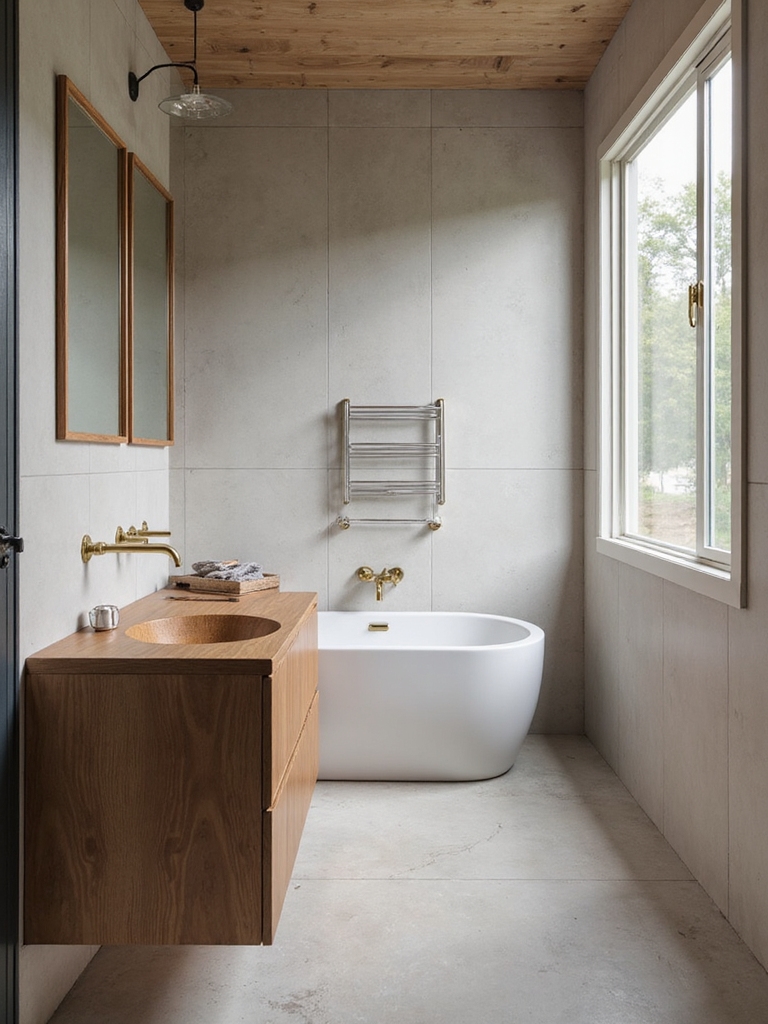
Fold-away tubs and drying racks are the unsung heroes of a tiny house bathroom, offering flexibility without sacrificing floor space.
I love using folding tubs for quick showers and compact soaking, then tucking them away to free room for daily routines.
Drying racks mount discreetly, drying towels or robes while keeping moisture controlled and the vibe clean, organized, and aspirational.
Wet Rooms: One-Space Solutions for Small Footprints
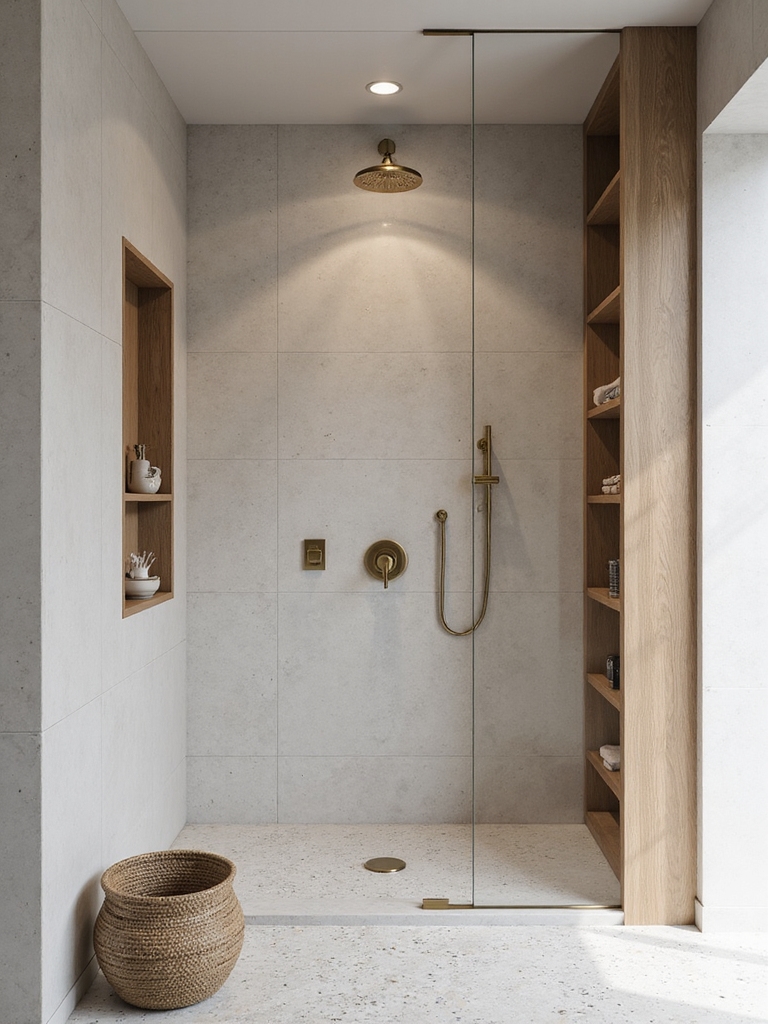
Wet rooms strip away walls and walls-away mentality, giving a single, efficient zone that handles showering, drying, and cleaning without sacrificing style.
I share practical tips that feel aspirational yet doable for tiny spaces.
- Embrace a seamless, non-slip floor
- Install a glass partition to preserve light
- Choose a linear drain for clean lines
- Use recessed storage to minimize clutter
Maximize your space by incorporating tiny bathroom ideas that feel bigger than they are to create an open and airy environment.
Moisture-Resistant Finishes That Stay Fresh
Moisture-resistance matters more than flashiness in a tiny bathroom, because durability supports every other design choice.
I select finishes that endure humidity without showing wear, guiding you toward sealed porcelain, vinyl, and epoxy-coated surfaces.
I’ll suggest easy-clean, mold-resistant options, and sustainable choices that stay fresh with regular care.
You deserve a calm, lasting backdrop for your daily routine and evolving style.
In addition, incorporating clever DIY storage solutions can maximize space and enhance functionality in these compact areas, making every inch count with tiny bathroom storage ideas.
Vertical Storage Hacks to Free Counter Space
Vertical storage is a smart, simple way to reclaim precious counter space without sacrificing style. By stacking shelves, hooks, and slim pullouts, you can keep daily essentials within reach while your work surface stays clear.
I share four practical ideas to implement now:
- Over-door organizers
- Hidden pullout baskets
- Magnetic strips
- Corner slim shelves
Maximizing vertical space is one of the top storage hacks from pros recommended for small bathrooms to enhance functionality without clutter.
Corner Showers: Frameless vs. Framed Options
I’m weighing frameless versus framed corner showers to balance look, durability, and maintenance.
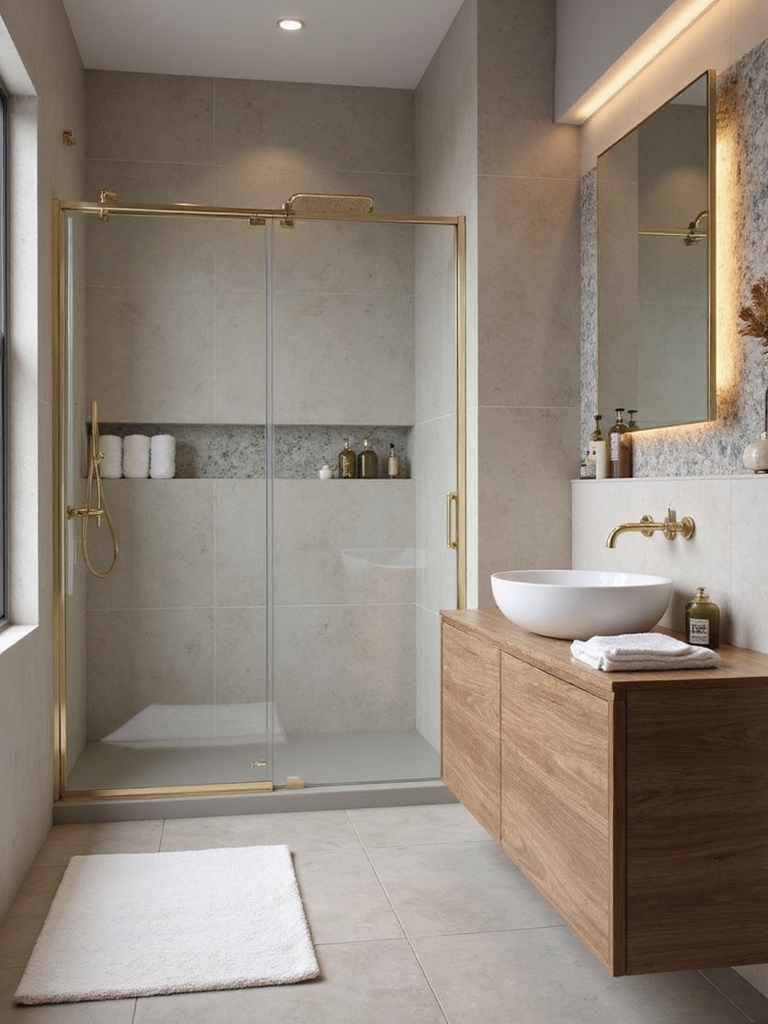
Frameless models tend to feel brighter and more open, while framed options can offer stronger support in tight Tiny House spaces.
I’ll explore how installation, light diffusion, and upkeep influence your choice.
Experts also recommend incorporating clever storage solutions to maximize space efficiency in small bathrooms, which can complement your shower choice and enhance overall functionality. stylish small bathroom design
Frameless Versus Framed
Corner showers come in two main styles: frameless and framed. I’ll share practical picks so you decide confidently without clutter.
Here are essentials:
- Clean lines, ideal space
- Maintenance ease, fewer seals
- Visual openness, bigger feel
- Installation cost versus longevity
Frameless feels airy; framed offers durability.
Your choice hinges on budget and maintenance tolerance.
Space And Light Impact
When you compare frameless and framed corner showers, space and light are the real differentiators.
Frameless edges create a visually open enclosure, maximizing perceived space and daylight. Framed options offer defined boundaries, reducing visual clutter in tight floor plans.
I prioritize clean lines, easy maintenance, and bright reflections to balance utility with a polished, aspirational feel. Your tiny bath gains clarity and calm.
Installation And Maintenance
Choosing the right installation path for corner showers changes how a tiny bath reads and performs, and it shapes ongoing ease of care.
I compare frameless and framed options for maintenance, durability, and style, then share practical picks.
Here are four concise tips:
1) Framed for cost, durability, easy seal replacement
2) Frameless for open feel, requires precise sealing
3) Material choices impact cleaning frequency
4) Professional install saves future headaches
White vs. Dark Accents to Read Bigger
White accents naturally brighten a small bathroom, but dark accents can add depth and perceived size when used thoughtfully.
I favor a restrained approach: glossy white fixtures with matte charcoal or navy accents.
Pair dark floors or towels with light walls to create contrast that feels expansive.
Balance is key—let focal points pop, while whitespace breathes, keeping the space practical and polished for everyday living.
Incorporating modern and minimal design elements helps maintain an elegant and timeless feel in tiny bathrooms.
Smart Lighting for an Airier Tiny Bath
I’m testing slim profile lighting that fades into the ceiling lines, so your bath feels open without bulky fixtures.
I’ll layer ambient light with strategic task and accent tones, creating a calm, usable space from shower to sink.
Incorporating modern bathroom decor elements enhances both style and functionality in small spaces.
Slim Profile Lighting
I guide you to smart, slim fixtures that vanish into cabinetry, walls, and mirrors, while delivering punchy brightness.
1) Choose edge-lit LEDs for minimal bulk.
2) Use dimmable strips behind mirrors.
3) Favor adjustable sconces.
4) Integrate controls with existing smart systems.
Layered Ambient Illumination
I design my tiny bath with layered cues: soft overhead, task-focused mirrors, and tucked cove lighting.
I switch temps and brightness to suit routines, conserve power, and keep spaces open.
The result feels practical, polished, aspirational, and effortlessly breathable.
Daylight Mood Integration
- Syncs with sunrise and sunset
- Dimmable layers for task vs. ambiance
- Color tuning to energize or relax
- Motion sensors for effortless comfort
Mirror Strategies for Depth and Brightness
Mirrors aren’t just mirrors in a tiny house bathroom—they’re tools for depth and brightness.
I pair vertical frames with strategic placement to visually extend the room, and I use frameless options to reflect natural light without bulk.
I layer lighting around the mirror for soft shadows, and I choose tinted glass sparingly to reduce glare while preserving clarity.
Practical, polished, inspiring.
DIY Materials That Withstand Humidity in Bathrooms
Humidity in a tiny bathroom can wreck cheap materials, so I stick to DIY-worthy options that stay stable under damp conditions.
I share practical, durable choices you can trust.
- Marine-grade plywood sealed with mildew-resistant coating
- PVC or PVC-coated shelving and trim
- Ceramic or glass tiles with epoxy grout
- Stainless-steel fixtures and corrosion-resistant hardware
Budget-Friendly Upgrades With Big Visual Impact
If you’re aiming for big impact on a tight budget, start with thoughtful statement pieces and smart finishes that transform the space without breaking the bank.
I’ll mix affordable, high-contrast accents with quality basics, like hardware upgrades and cohesive tile pops, to elevate visuals.
Choose durable, moisture-friendly materials, keep lines clean, and let lighting outline the room’s shape for a polished, aspirational vibe.
Real-World Tiny Bath Transformations From Celebrities and Fans
Celeb-style tiny bath transformations show that big impact starts with smart material choices and thoughtful layout.
I’ve seen fans and stars redefine space with compact vanities, oversized mirrors, and washable wallpapers that resist humidity, delivering luxe feels without bulk.
Here are standout examples:
- Custom corner vanity optimizes square footage
- Framed mirrors amplify light
- Waterproof wall panels for seamless texture
- Floating shelves maximize storage and airflow
Conclusion
You’re closer to that dream bathroom than you think. Tiny spaces reward smart choices: clean lines, hidden storage, and a little drama from a bold mirror or floating vanity. Worried it’ll feel cramped? Start small and expand—pocket doors or fold-away options make the room breathe. I’ve seen it: a compact bath becomes serene, practical, and stylish—even luxurious. If you doubt it, try one idea this week, and let the space convince you.