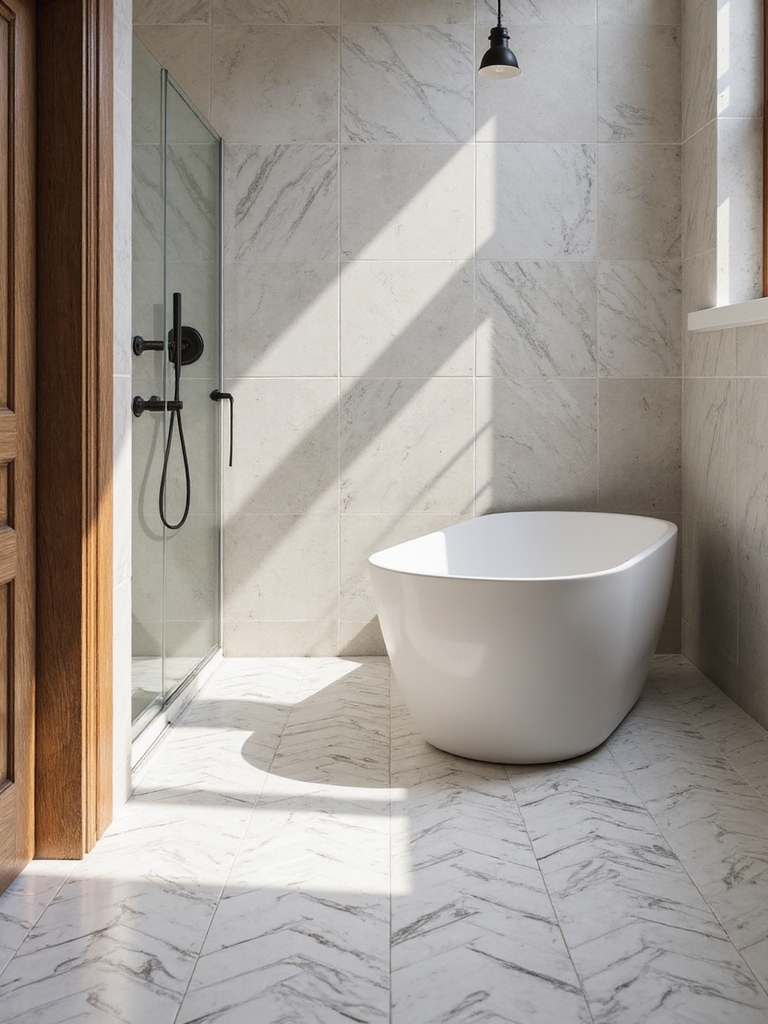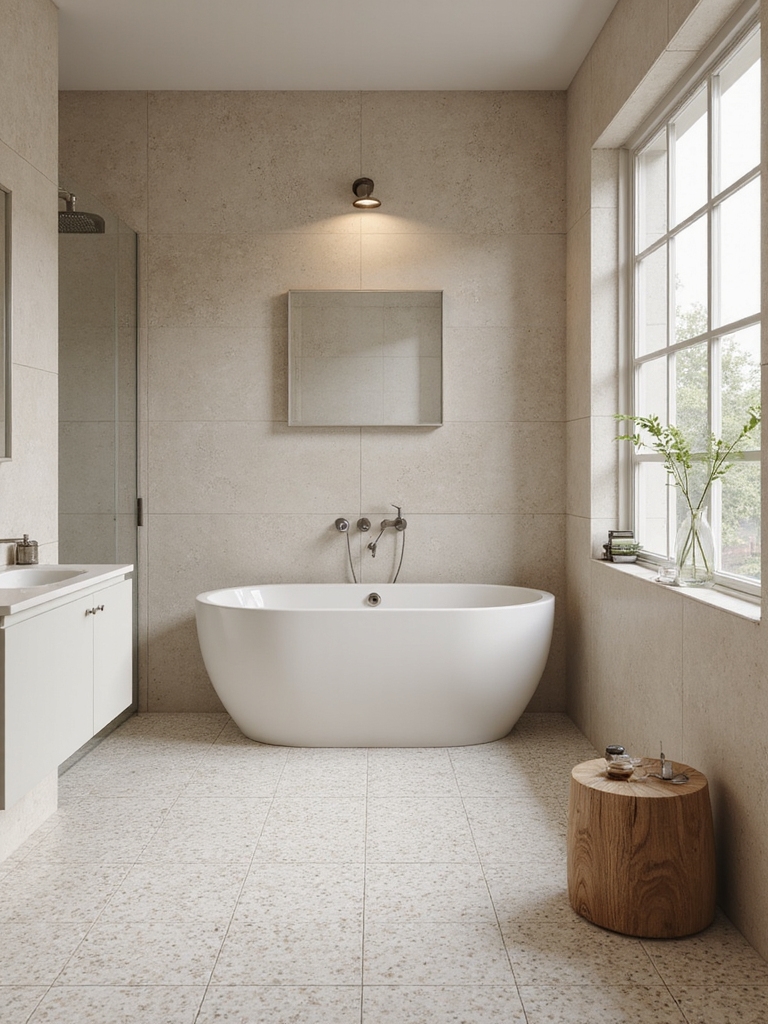
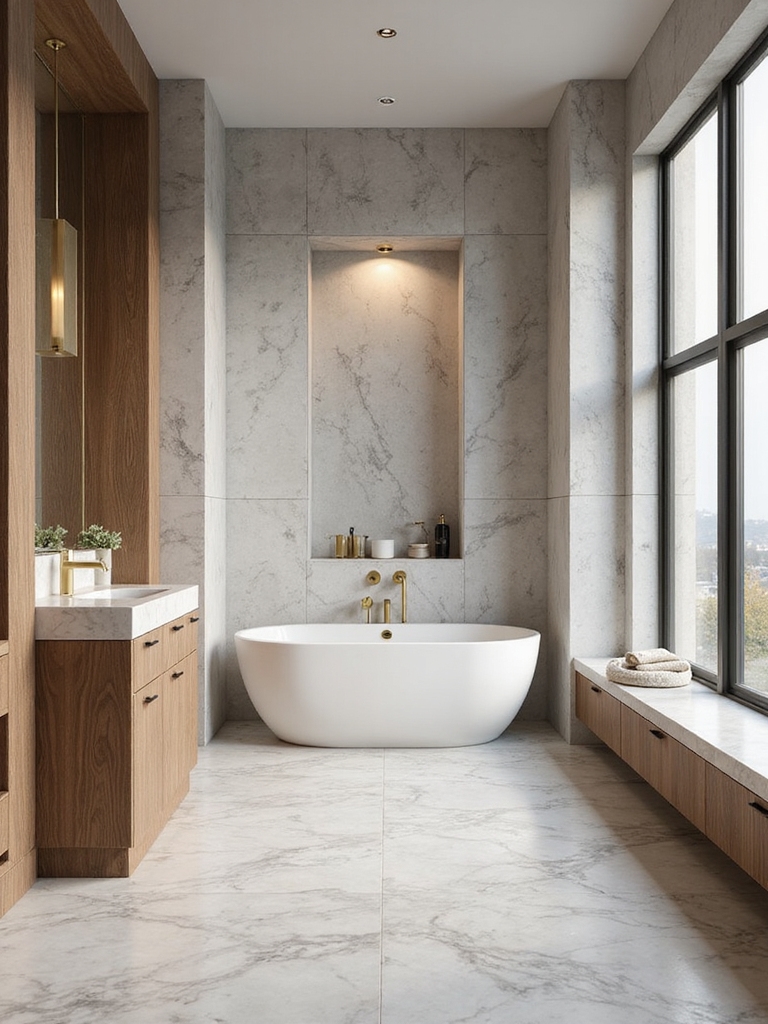
A client once walked into a finished bathroom and asked which slab of marble I had splurged on. It was porcelain, about seven dollars a square foot, and she could not tell. That gap, between what a floor costs and what the eye takes it for, is the whole game. An expensive-looking floor is rarely about an expensive material. It comes down to the right material, the right size, and a clean, careful install.
These 15 bathroom flooring ideas chase the high-end look on a real budget. I will walk you through the materials that fake luxury convincingly, the sizes and layouts that signal money, and the small details that quietly give a cheap floor away. To push the price down even further, pair this with my budget flooring that still impresses; this one is about looking like you spent more than you did.
Make a Floor Look Expensive, in Short
- Fake the stone, skip the stone. A good marble or limestone-look porcelain lands high-end at $5 to $15 a square foot, a fraction of real slab.
- Go big. Large-format tiles mean fewer grout lines, and fewer grout lines is the single clearest signal of an expensive floor.
- Mind the grout. A close-toned grout and a clean, even install do more for the luxe look than the tile you pick.
Luxe Floors on a Budget Start With Material
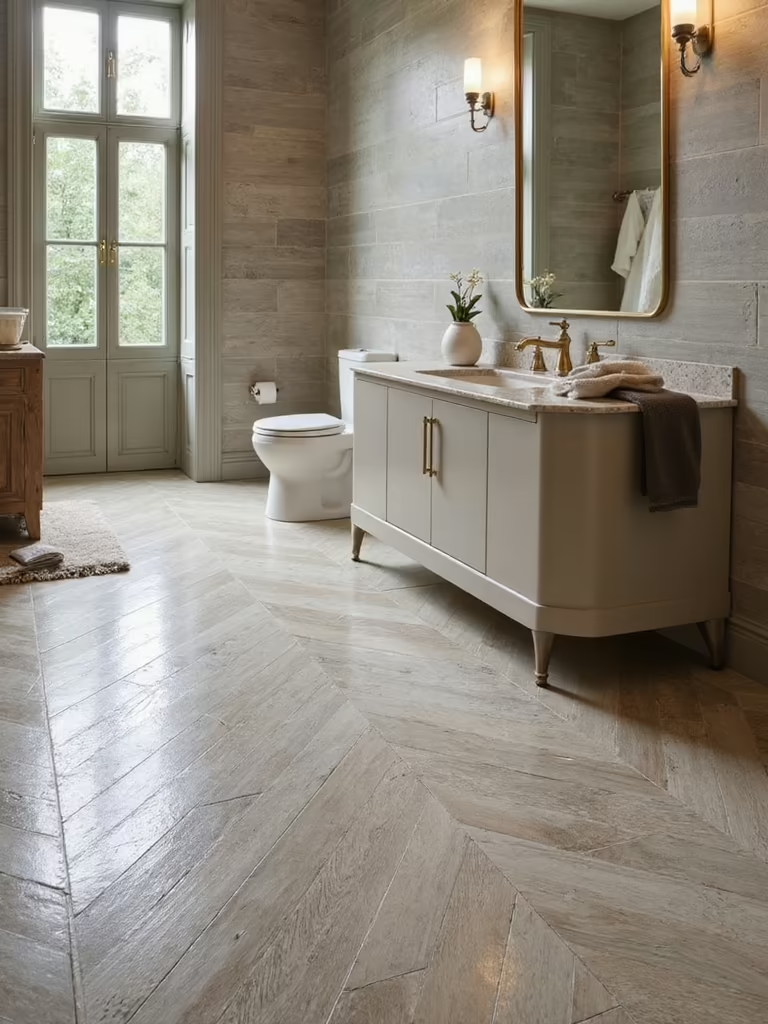
The expensive look almost always comes down to one early decision. Pick a material that mimics something costly and you are most of the way there. I tell every client to spend their thinking, not their money, on this step. Here is where the fake works best:
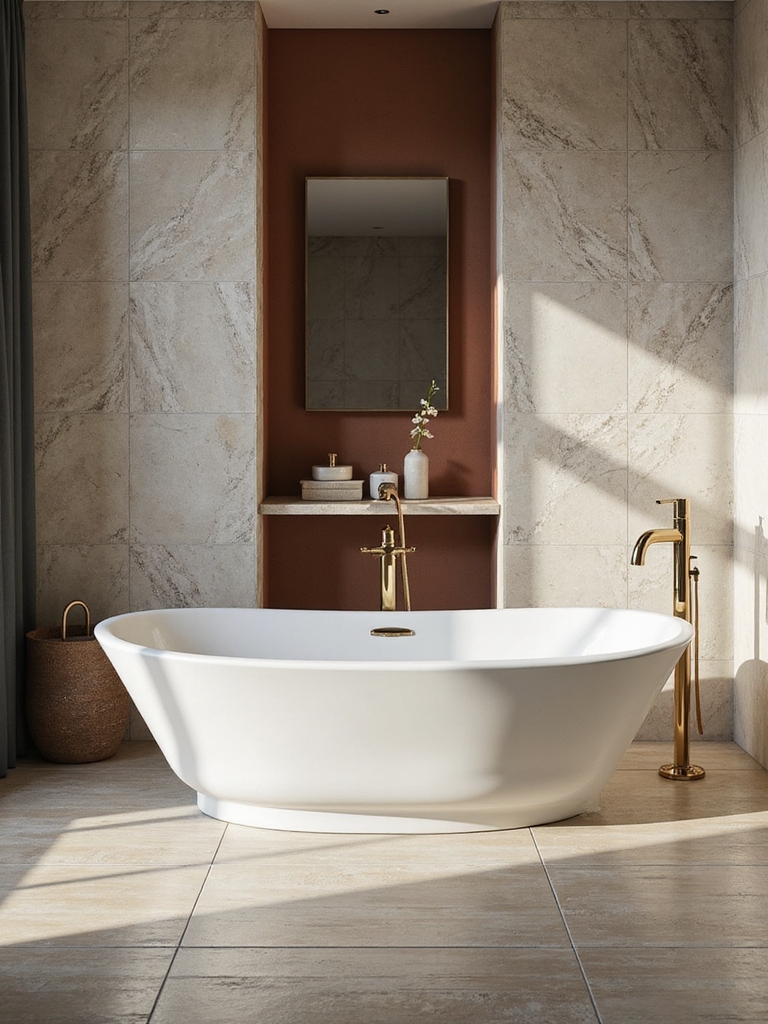
- Marble-look porcelain. The veining of real marble, skipping the staining and the sealing, at $5 to $15 a square foot.
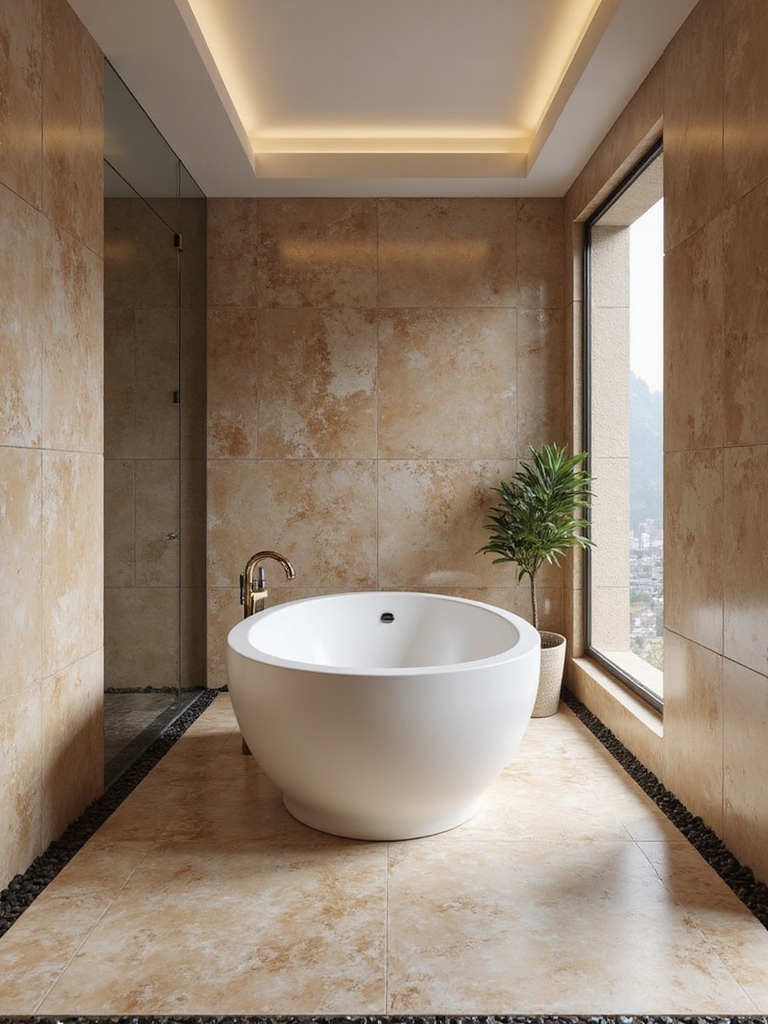
- Limestone and travertine looks. Soft, warm, and quietly upscale, without the porous upkeep of the real stone.
- Wood-look plank tile. The warmth of a wide oak board, but waterproof and cheap to maintain.
- Concrete and terrazzo looks. Modern, architectural, and far less than poured or cast versions.
Luxury-Look Tiles That Read High-End
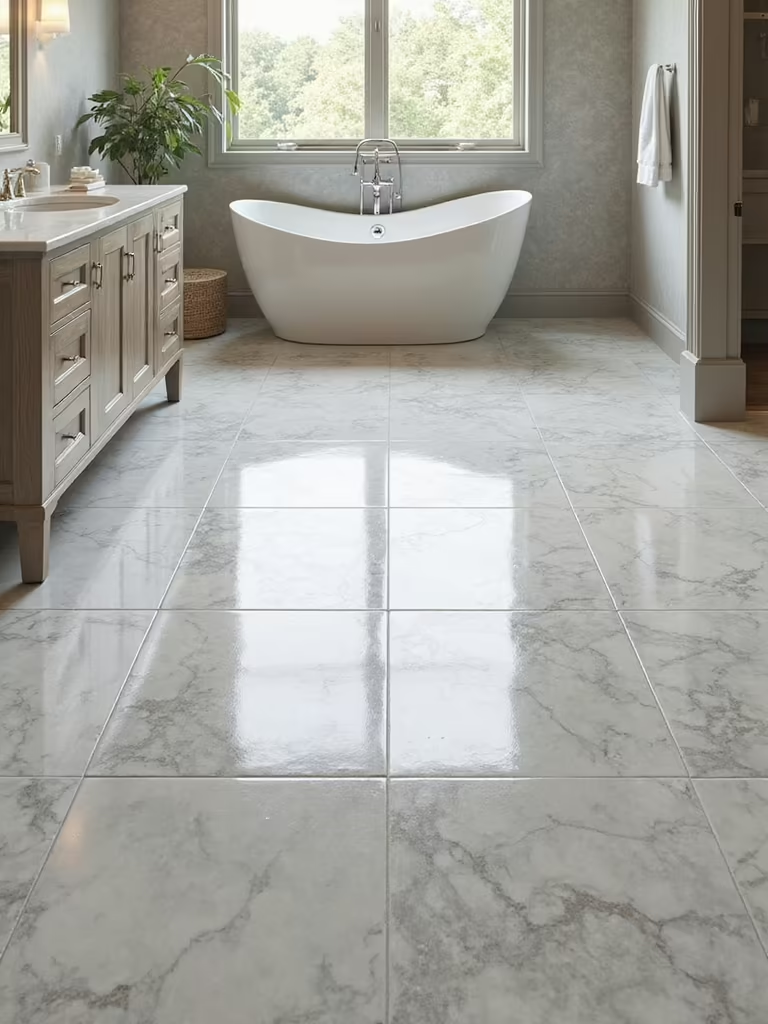
Not every budget tile fakes luxury equally well, so I steer people toward the few that do. A matte or honed finish almost always beats a high gloss for that upscale air, because real stone is rarely shiny and a glossy floor can tip toward cheap. The light catches it wrong. Go soft instead.
Matte Beats Gloss for the Costly Look
The print quality matters more than the price tag. Cheaper tiles repeat the same veining pattern every few pieces, and the eye catches the repeat fast. Spend a few minutes at the store laying four or five tiles side by side, and you can see whether the pattern comes across as natural or printed.
Lay enough of them and the cheap repeats announce themselves. A floor with real variation hides its price even when it is low, and that depth is the part cheap tile cannot fake.
Color does quiet work too. Soft warm whites, greige, and pale stone tones carry more quiet luxury than busy or saturated floors, and they let the rest of the room feel calm and considered. Keep the floor restrained and the whole room can look more expensive than its receipt.
Which expensive look fits your room?
🎯I want calm, modern, continuous
Go large-format marble or stone-look porcelain with close grout. Fewer lines, more luxury.
🎯I want warm and inviting
Choose a wide-plank wood-look tile or LVP in soft oak. Cozy warmth, waterproof toughness.
Warm, Durable Wood-Look Tile
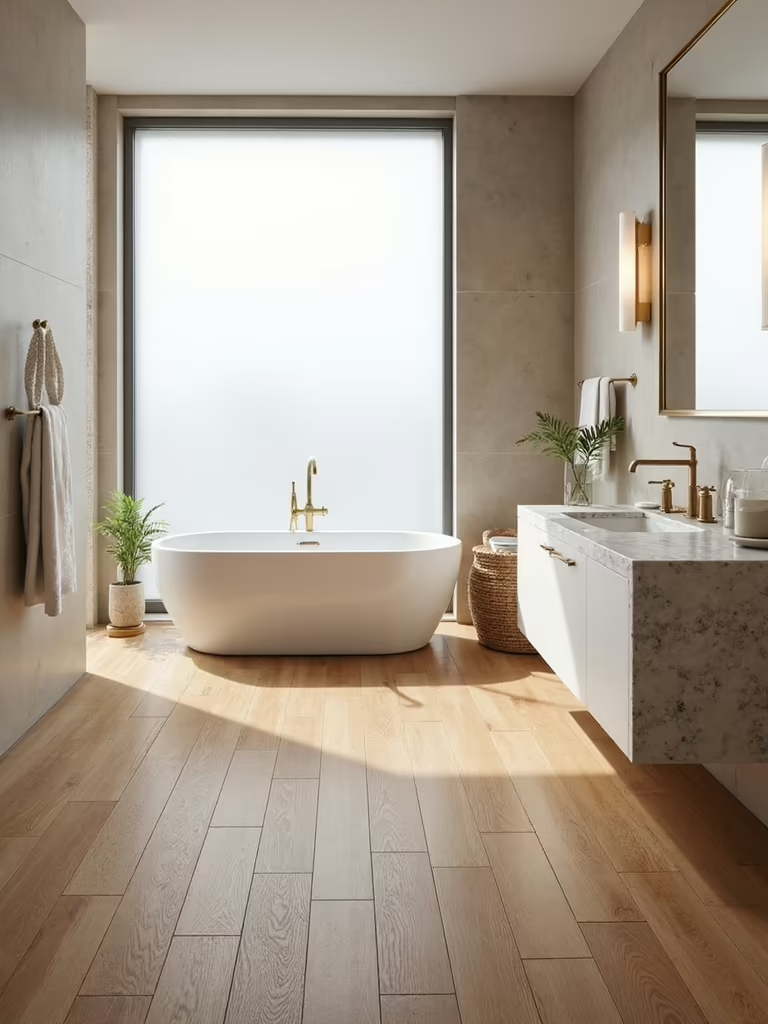
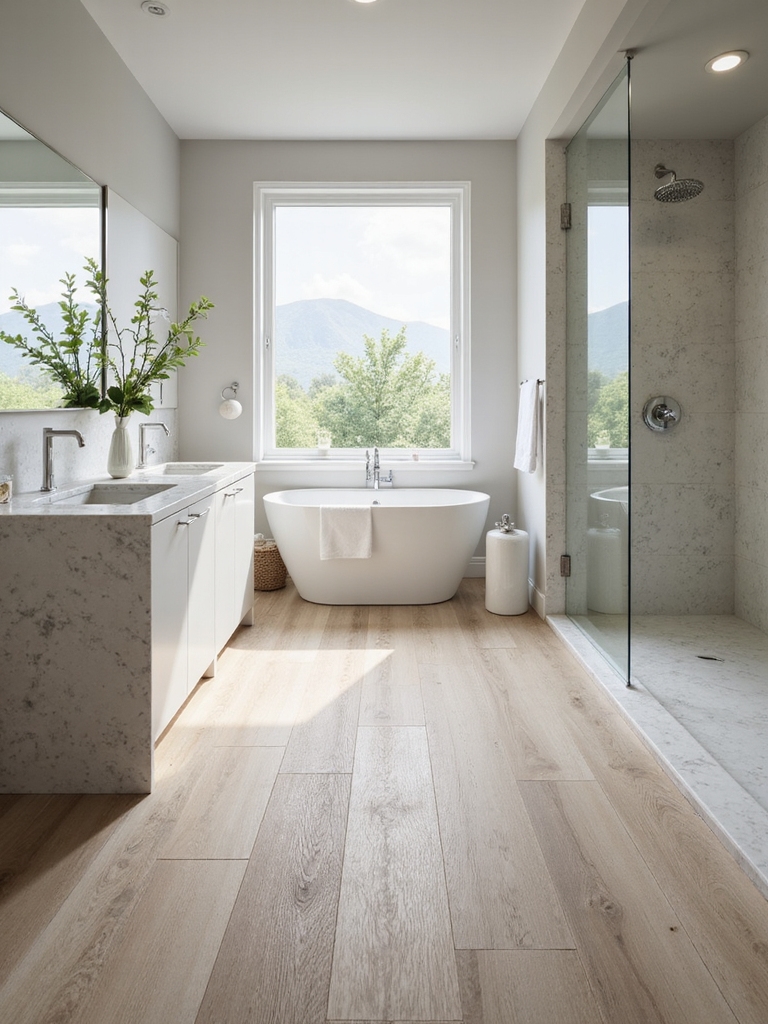
Nothing warms a bathroom like wood, and a wide-plank porcelain in a soft oak or walnut tone gives that warmth for very little. Laid like real flooring, it brings the cozy, costly feel of a wood floor into a wet room that would destroy the real thing. It is one of the easiest ways to fake real luxury cheaply, and the warmth it brings reads far above its cost.
The secret is to treat it like real flooring and forget it is tile. A longer, wider plank looks more like real flooring than a short, narrow one, and a slightly offset layout, looser than a perfect brick stagger, mimics how real boards fall. Keep the grout tight and matched to the plank, and most people will be sure it is the real thing.
- Choose a long, wide plank so it passes for real solid wood.
- Use a grout color matched to the plank to hide the tile seams.
- Lay a soft, irregular offset that mimics how real boards stagger.
Stylish, Durable, Budget-Friendly Flooring
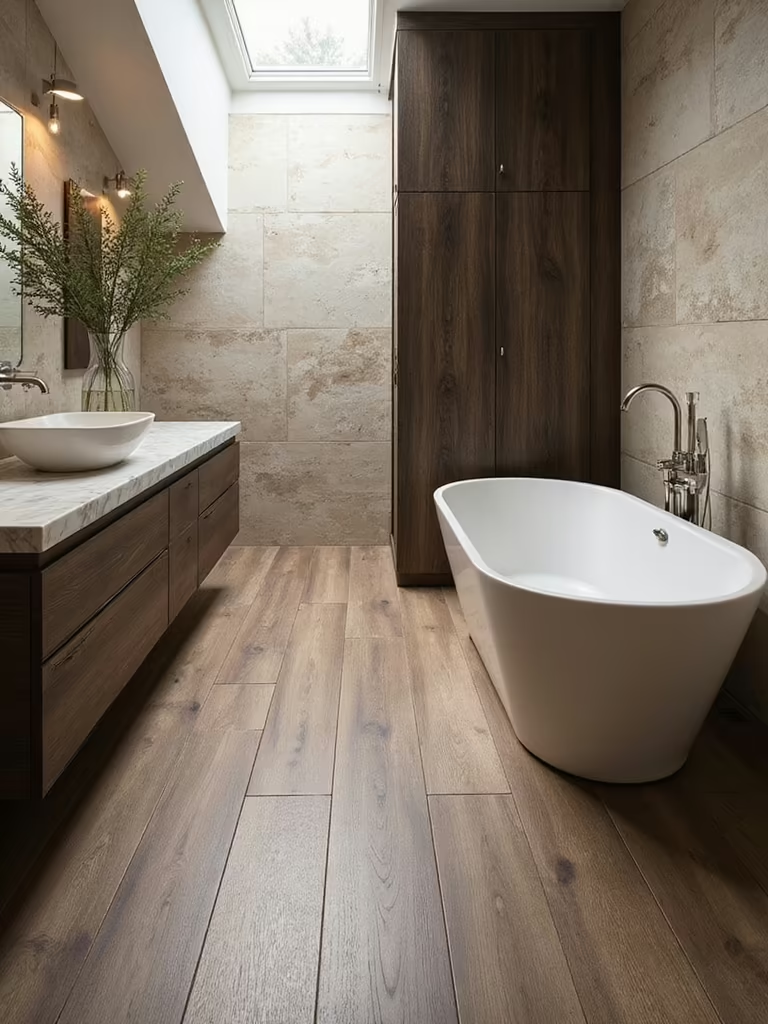
An expensive look means nothing if it wears out in two years, so the floors I trust have to earn their keep and live tough. The good news is that the materials that fake luxury best are also the most durable. Here is what earns both halves of the job:
- Porcelain, first and always. It shrugs off water and traffic for decades and carries every high-end look well.
- Luxury vinyl plank for the tightest budgets. A good LVP at $2 to $5 a square foot fakes wood well and feels warm underfoot.
- A through-body or rectified tile where you can stretch, since the crisp edges let tiles sit closer and merge into one plane.
- A slip-rated finish, because a floor that looks costly and sends someone sliding is a false economy.
Heads-Up
Large-format tile only looks luxe if it lies flat. On an uneven subfloor the corners lip up and catch the light, which instantly reads as a cheap, rushed job. This is the one step worth a skilled setter, and on anything structural or wet underneath, bring in a licensed pro.
Large-Format Tile for a Luxe Look
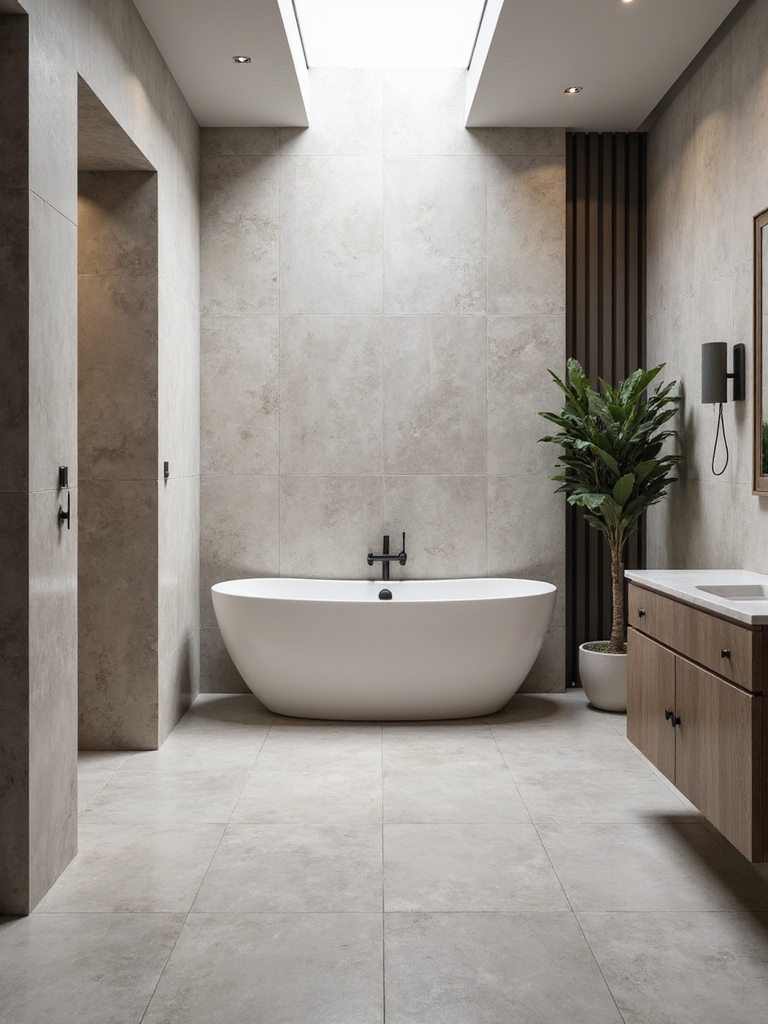
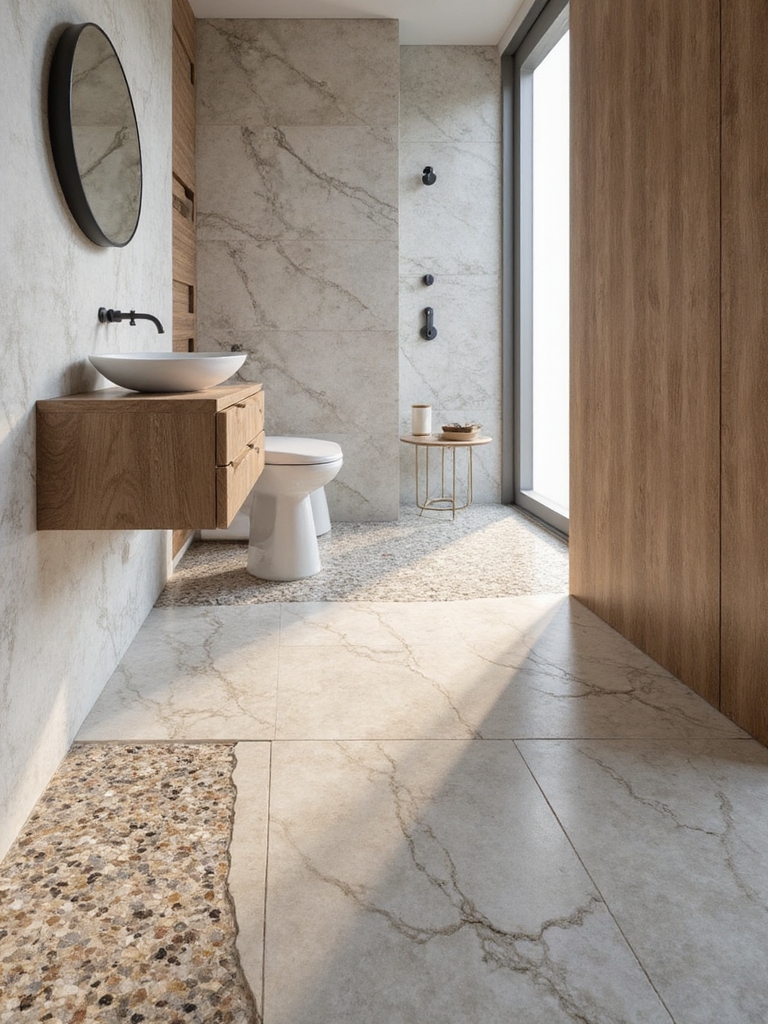
If I had to name the one move that makes a floor look expensive, it is going big. Large-format tiles, anything from twelve by twenty-four up to a true slab, mean far fewer grout lines, and a floor that sits as one continuous plane always outclasses a busy grid. The fewer interruptions the eye finds, the more high-end the floor feels.
The install has to earn it, though. Large tiles need a flat, well-prepped subfloor and a skilled setter to keep the surface even, so this is the one place I tell people to spend on labor. Match the grout closely to the tile, run the tile into the shower if you can, and the floor passes for poured stone. For grounding the whole room around it, these floor-as-anchor ideas go deeper.
What Actually Makes a Floor Read Expensive
Let me name the real levers, because they are not the ones people expect. It is rarely the material itself. A high-end floor earns that impression through scale, restraint, and a clean install, and any one of those costs little. The most expensive-looking floors I have done were some of the cheapest to buy.
Scale comes first. A big, calm expanse of floor carries weight almost on its own, which is why a plain large-format tile often comes across richer than a fussy, pricey mosaic. Restraint comes second. A calm, tonal floor in a soft natural color carries more luxury than a loud one, because luxury tends to whisper its way across a room.
The install is the quiet third lever. A perfectly flat floor, even grout lines, a close grout color, and crisp edges at the walls signal care, and care signals money. Two identical tiles can land five times apart in price depending only on how well they were laid. Spend your budget there before you spend it on the tile. A good setter on a plain porcelain beats a careless one on marble every time, and the bill often lands lower too.
Where Cheap Flooring Gives Itself Away
If a budget floor looks budget, it is usually one of a handful of tells, and every one of them is fixable. I walk clients through this list before they buy, because catching these at the store costs nothing and missing them costs the whole look. Most cheap-reading floors fail on the small stuff, not the tile.
Get these right and a seven-dollar tile passes for stone. Get them wrong and the priciest tile still falls flat. The difference is almost always in the details below.
- A clashing grout color, which turns every seam into a grid and shouts cheap, so keep it within a shade of the tile.
- A high-gloss finish on a stone look, since real stone is matte and shine gives itself away.
- An obvious repeat in the veining, which the eye catches and flags as printed.
- Tiny tiles in a big room, where all that grout makes a floor feel cheap and busy.
Match the Look to Your Budget
Different budgets reach the expensive look by different roads, so let me match the idea to the wallet. On the tightest budget, a good wood-look LVP or a plain large-format porcelain in a soft tone gives the most luxury per dollar, and a careful weekend of DIY, or a single day of paid labor, keeps the number low. Spend on the size and the install, not the material.
With a little more room, a marble-look porcelain in a large format, laid by a good setter with close grout, comes across like a serious renovation for a fraction of a stone budget. At the top of a modest budget, carry that same tile into the shower and onto a curbless floor, and the room feels bespoke. For squeezing every dollar, my budget flooring picks pair perfectly with this.
Care That Keeps the Luxe Look
The luxe illusion lives in the surface, so keeping it convincing is mostly about avoiding the things that shout cheap. I buff away soap film before it hazes a matte stone-look, and dry the spots where water likes to pool, since a cloudy patch is exactly what gives a fake away. A soft microfiber pad and plain water handle the day to day, with a splash of pH-neutral cleaner when the floor needs more.
Grout is the one tell you control completely. I keep mine clean and re-seal it on the maker’s schedule, because a crisp, even grout line is what sells the stone and a dingy one undoes the whole effect in a glance. Stay on top of that single detail and a modest floor keeps trading well above its price for as long as you own the room.
Expensive-Look Flooring, Answered
?What is the cheapest flooring that still looks expensive?
A large-format, matte porcelain in a soft stone look, or a wide-plank wood-look tile, gives the most high-end look per dollar at around five to eight dollars a square foot. On a tighter budget, a good luxury vinyl plank at two to five dollars fakes wood well and feels warm underfoot. It is forgiving to lay, kind on bare feet on a cold morning, and quiet to walk on. In every case the size and the install matter more than the tile itself.
?Does large-format tile really look more expensive?
Yes, and it is the clearest single move. Larger tiles mean fewer grout lines, and a floor that sits as one calm plane always looks costlier than a busy grid of small tiles. The catch is that big tiles need a flat subfloor and a skilled setter, so plan to spend on the install even when you save on the tile.
?Why does my budget floor still look cheap?
It is almost always the details, not the tile. A clashing grout color turns every seam into a grid, a high-gloss finish on a stone look gives itself away, an obvious repeat in the veining exposes the print, and tiny tiles in a big room turn all that grout busy. Fix those four and a budget tile passes for stone.
?Is wood-look tile or real wood better for a bathroom?
Wood-look porcelain, without question. Real wood swells, stains, and rots in a wet room, while wood-look tile gives the same warm, costly look and shrugs off water for decades. Choose a long, wide plank and a grout color matched to it, lay it in a soft offset, and almost no one will spot the difference.
?Where should I spend and where can I save on a bathroom floor?
Save on the material and spend on the size and the install. A modest porcelain in a large format, laid flat by a good setter with close-toned grout, comes across far richer than a pricey tile laid carelessly. The labor and the layout are where the expensive look actually lives, every single time, so protect that part of the budget before anything else on the list.
Spend Less, Look Like You Spent More
An expensive-looking floor is a set of smart choices, not a big receipt. Pick a porcelain that fakes stone or wood well, go as large as the room allows, keep the color soft and the finish matte, and put your money into a clean, even install. Do that and a seven-dollar tile passes for a slab you agonized over for weeks.
Next time you price a floor, remember that scale, restraint, and a careful install carry the luxe look far more than the material does. Bookmark this before you head to the tile shop, lay a few samples side by side, and choose the floor that looks like money without ever costing it. The receipt is your secret to keep.