The first time a client asked me where to start a bathroom redesign, I pointed at the floor. Everyone wants to begin with the pretty wall tile or the vanity, but the floor is the surface that anchors everything above it. It is the biggest uninterrupted plane in the room, it takes the most wear, and once it is in, you are not changing it on a whim. Choose it first and the rest of the room falls into place.
These 19 bathroom floor tile ideas treat the floor as the anchor it is, durable, grounding, and design-setting. Below you will find how to choose tile that lasts and looks good, get the size right, and use color and pattern to ground the whole room. For pairing the floor with your walls, lean on these floor-and-wall tile harmony tips; this one is about the floor itself.
Anchor With the Floor, in Short
Choose the floor first, because it grounds every other choice and is the hardest to change later. Lead with durability, porcelain handles water and traffic best, then pick a size and pattern that suits the room. Larger tiles calm a space; mosaics and patterns make the floor a feature.
Plan on $5 to $20 a square foot for most porcelain and ceramic, with the floor as the one surface worth getting right before anything else. A slightly textured finish adds grip where a glossy floor turns slick, and the right grout ties the whole thing together. Seal it once and a good floor anchors the room for decades.
Choose Durable, Stylish Floor Tile
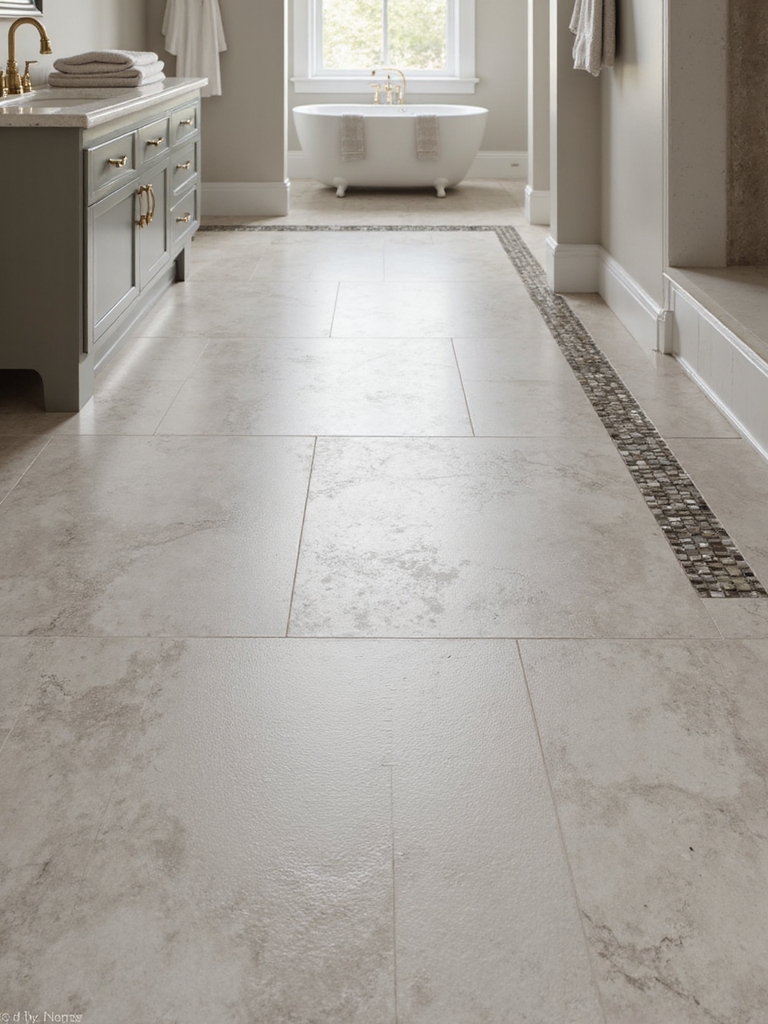
A floor that anchors a bathroom has to survive the bathroom first, so durability leads every choice I make. The good news is that the toughest tile is also the most versatile. Here is what I look for before style even enters the picture:
- Porcelain first. It absorbs almost no water, shrugs off traffic, and comes in convincing marble, stone, and wood looks.
- A slip-rated, slightly textured finish, since a glossy floor gets dangerous when wet.
- A look you will not tire of, because the floor is the one surface you cannot easily swap later.
Tile Sizing for Bathroom Floors
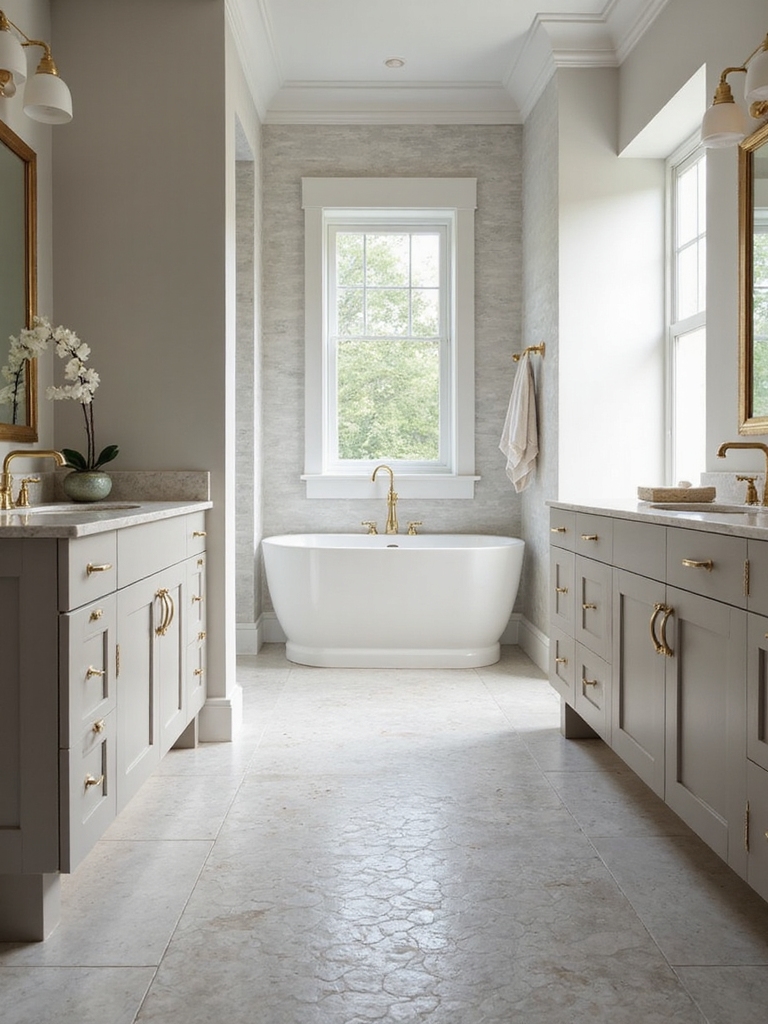
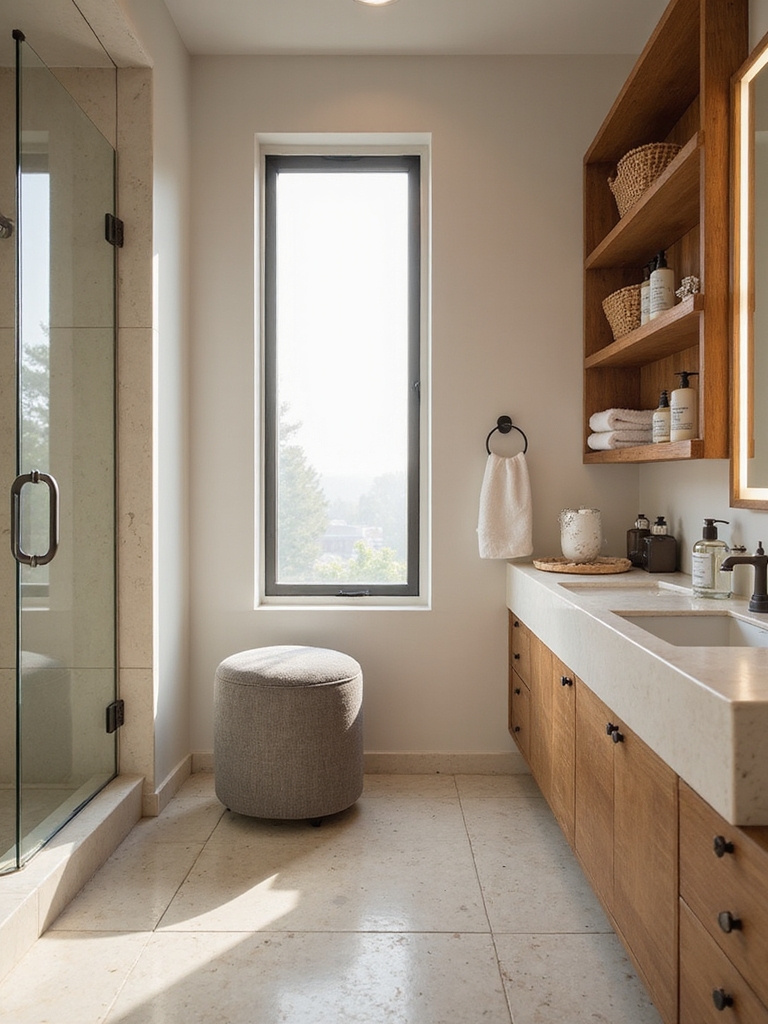
Tile size does more to anchor a room than people expect. Scale changes how big the floor feels. Large-format tiles, with fewer grout lines, make a small bathroom feel calmer and more open, and they look clean and current. They are my default for a floor that should ground the room quietly, without ever competing for attention.
Large Tiles Calm, Small Tiles Grip
Smaller tiles earn their place when grip or pattern matters. A penny or small hex floor offers more grout for traction, which is why it suits a shower or a slope to a drain, and the tighter pattern adds texture underfoot. The trade-off is more grout to clean, so I save the small stuff for where it works hardest.
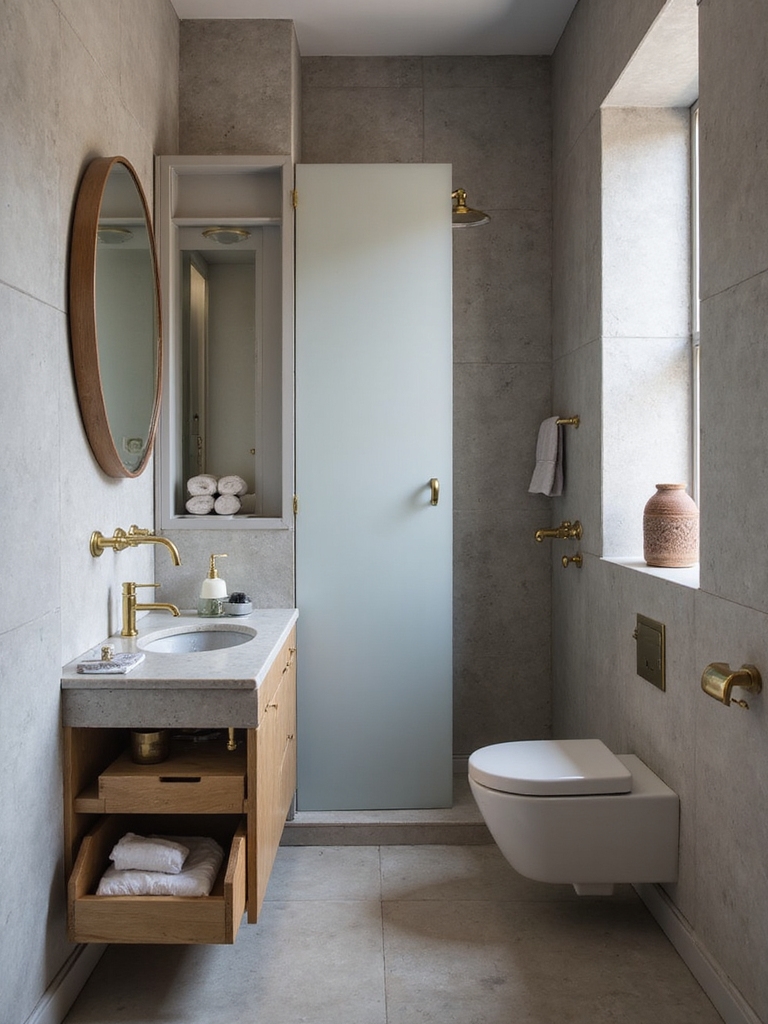
Match the size to the room and the job. A big bath can carry a large slab-look tile that feels luxurious, while a tiny powder room often looks best with one mid-size tile that keeps the scale honest. Coordinate the floor size with the walls the way these floor-and-wall pairings suggest.
👍Why anchor with the floor
- +Grounds every other design choice in the room
- +Porcelain lasts decades and resists water and wear
- +The right size and pattern set the whole mood
👎What to plan for
- –Permanent, so it is worth choosing carefully first
- –Worth paying a pro for proper slope and waterproofing
- –Grout needs sealing a couple of times a year
Large-Format Tile for a Spa Floor
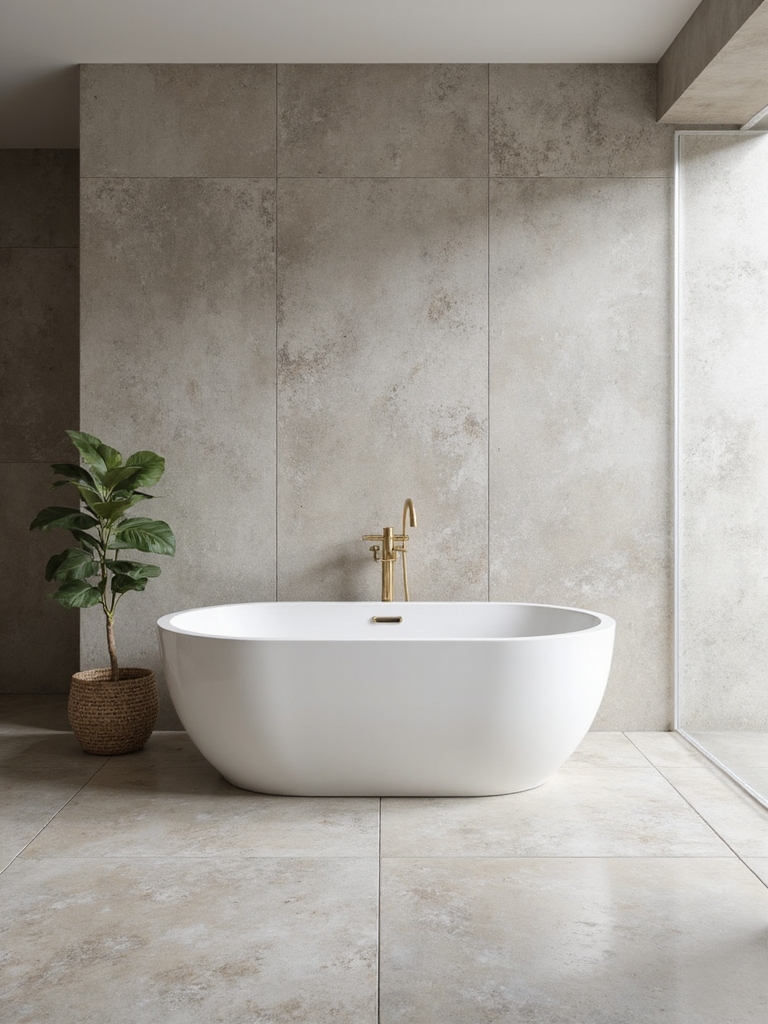
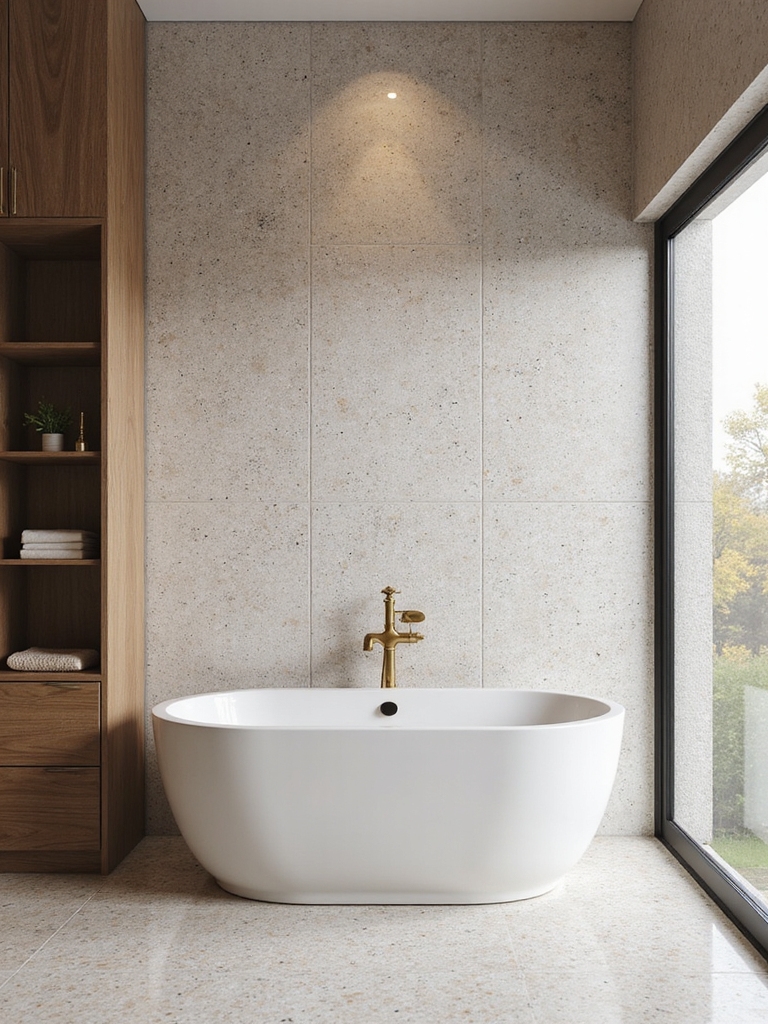
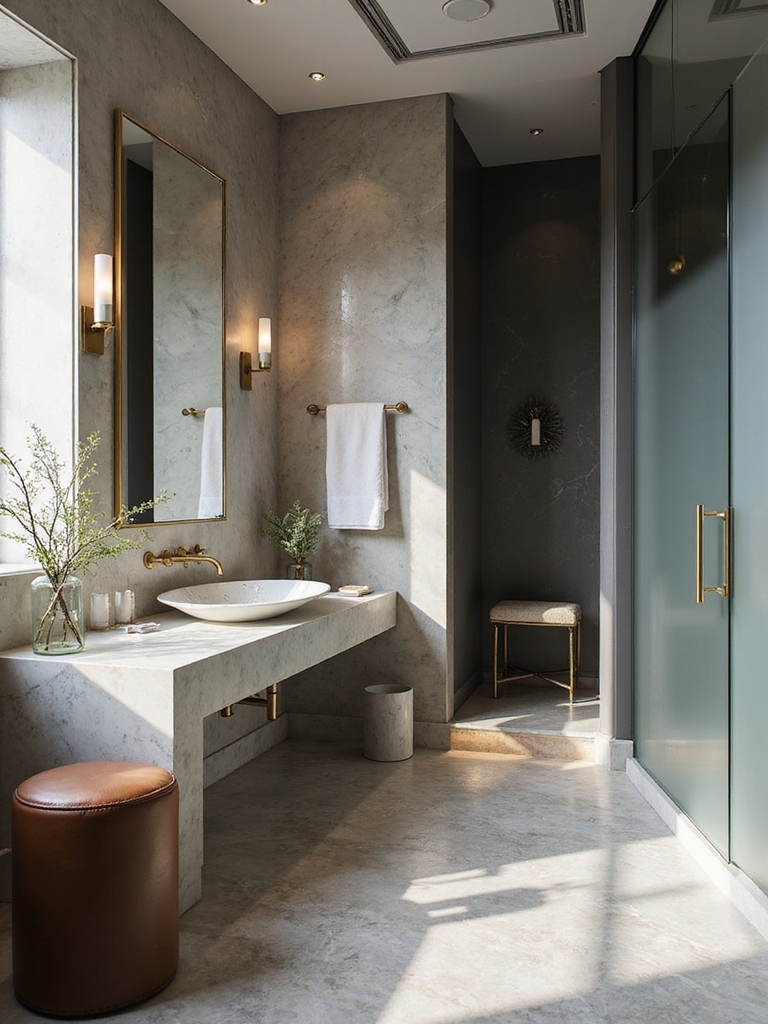
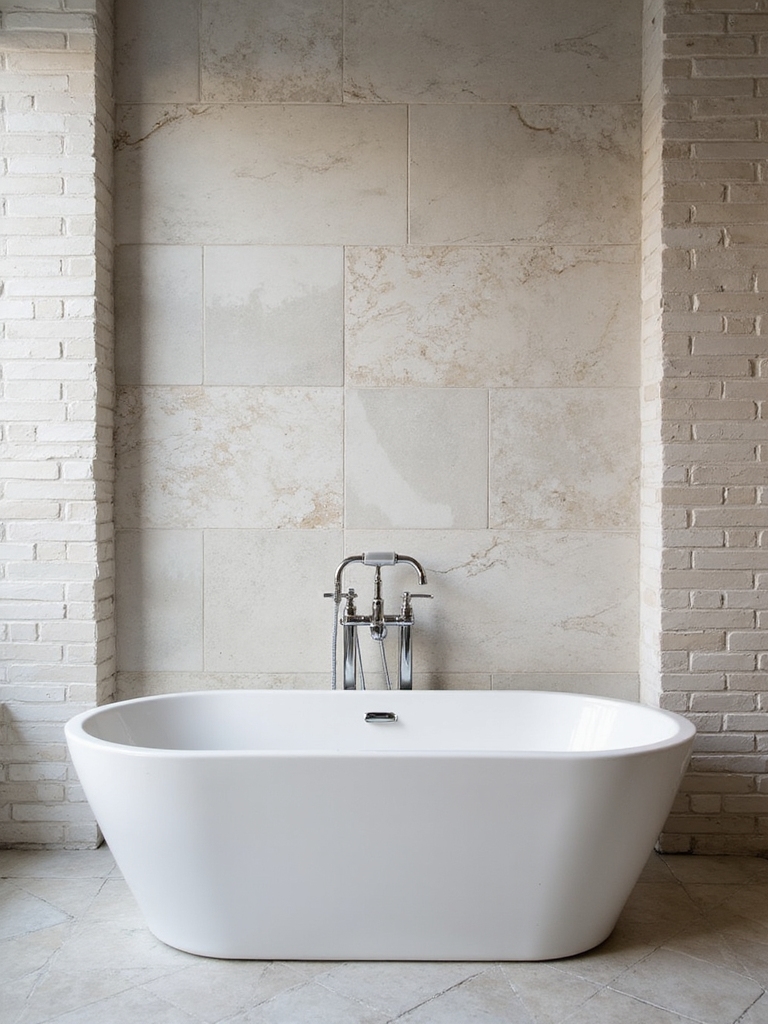
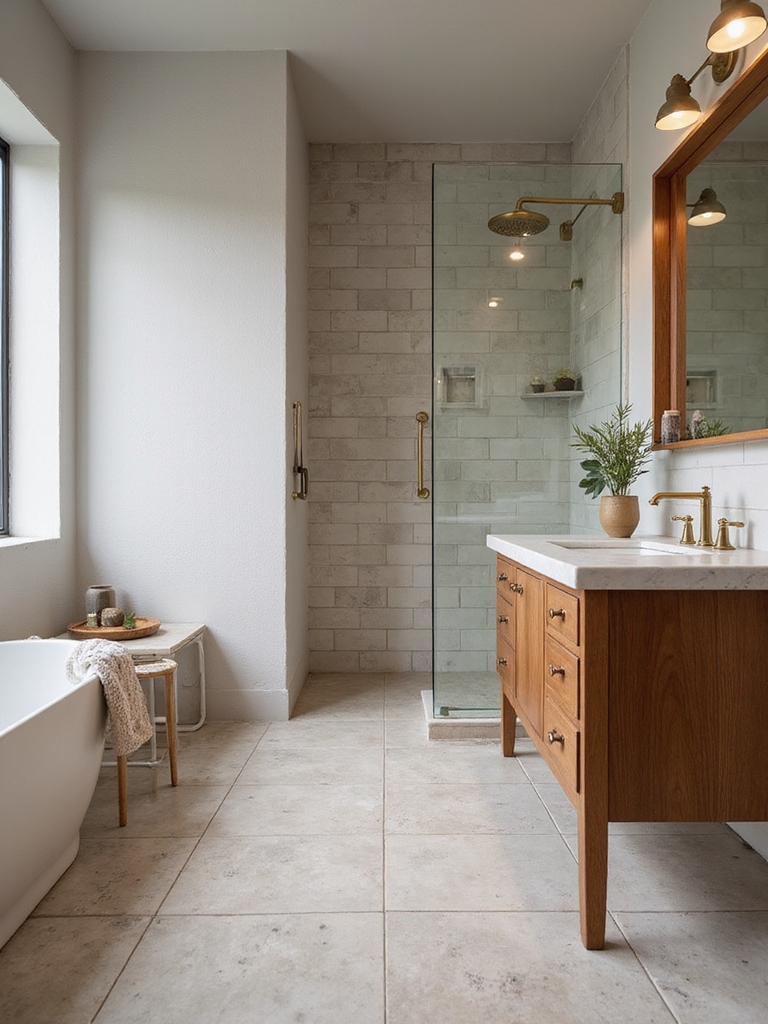
The most grounding floor of all is a large-format tile in a soft, stone-look tone, which is why it defines the spa-style bathroom. With fewer grout lines, the floor sits as one calm, continuous plane that quietly anchors everything above it. A marble or limestone look in porcelain gives that serene feel without the upkeep of real stone.
Run the same tile up into the shower for the most grounded effect. Carrying one floor tile across the threshold and onto the shower floor blurs the break and makes a small bathroom feel larger and more designed. Keep the palette soft and the grout close in tone, and the floor becomes the calm foundation the whole room rests on.
- Choose a large-format stone or marble look in porcelain for a serene, low-grout floor.
- Carry the floor tile into the shower to blur the break and ground the room.
- Keep the grout close in tone so the floor looks like one calm plane.
Bold Mosaic Floors That Anchor
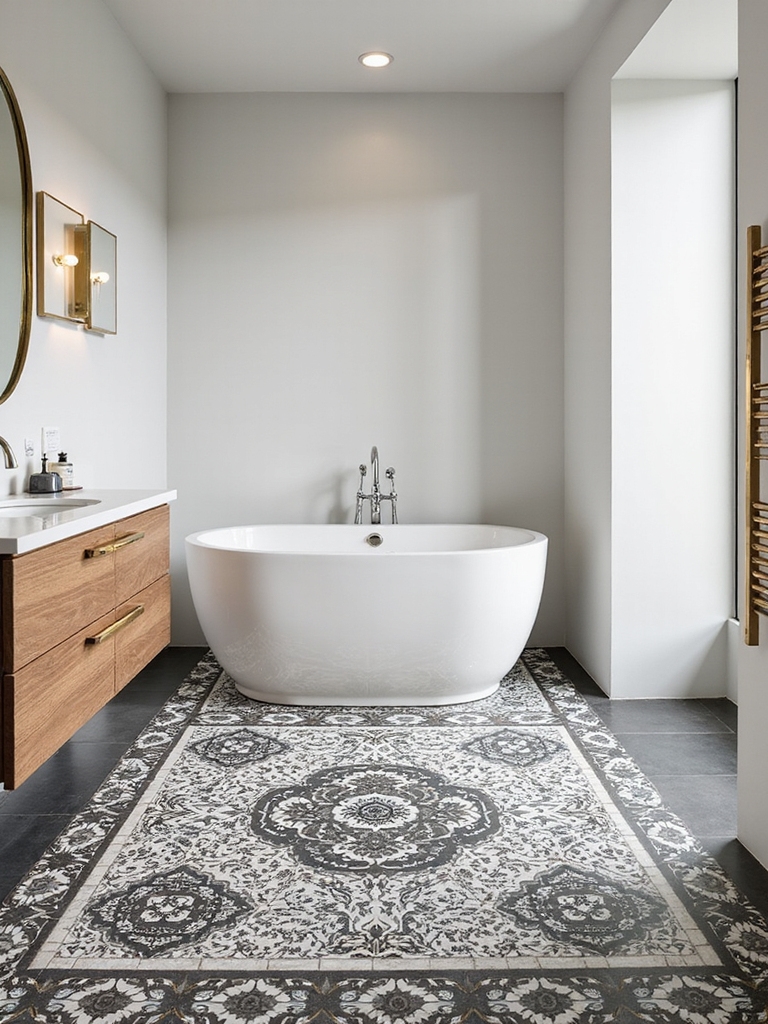
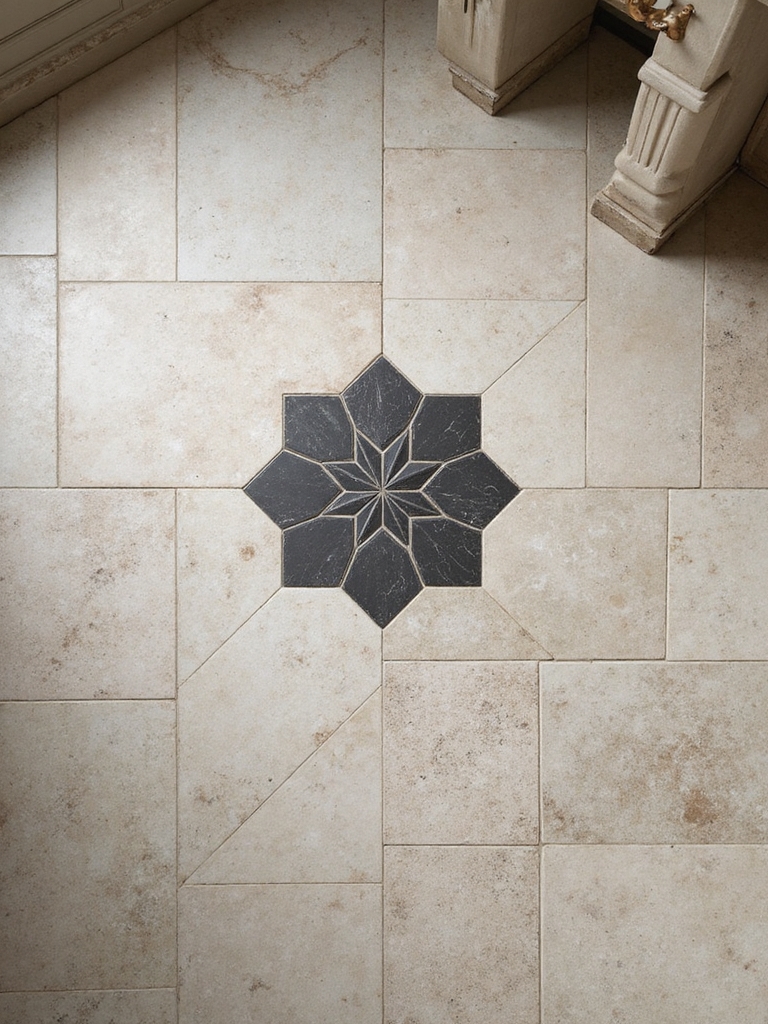
Sometimes the best way to anchor a room is to make the floor the boldest thing in it. A patterned mosaic, a graphic cement-look tile, or a colorful encaustic floor becomes the room’s signature, and everything else can stay simple around it. In a small powder room especially, a bold floor turns a forgettable space into the one guests remember.
Let a Bold Floor Lead, Quiet the Walls
The rule for a bold floor is to let it lead and quiet the walls. White or soft walls, simple fixtures, and a tight palette give a patterned floor room to breathe, so it anchors the room with ease. Pull one color from the floor into a towel or a paint to tie the room together.
Concentrate the pattern where it counts. A bold mosaic looks best as the whole floor of a small room or a defined band, with calm tile around it, so the eye has somewhere to rest. These luxe tile combinations show how a graphic floor can carry a whole bathroom.
What should your floor do for the room?
1I want calm and a sense of space
Go large-format in a soft stone look, with grout close in tone. The floor grounds quietly.
2I want the floor to be the star
Choose a bold mosaic or patterned tile and keep the walls simple, so the floor anchors and wows.
Classic Subway and Brick Floor Layouts
A rectangular tile in a brick or herringbone layout is the quiet workhorse that anchors a room with ease. Laying a simple plank or subway-shaped floor tile in a herringbone or offset pattern adds movement and a tailored, timeless feel, all from a basic, affordable tile. The layout does the design work. The price stays low.
Herringbone is my favorite for a floor with subtle interest. The angled pattern draws the eye and makes a plain tile feel custom, while a straightforward brick offset keeps things calm and classic. Either grounds the room with a layout that simply ages well. Trendy shapes cannot say the same.
Wood-look plank tile belongs in this family too. A porcelain plank in a warm wood tone, laid like flooring, anchors a bathroom with warmth and handles water beautifully, which real wood simply cannot do. It is the floor I suggest most when someone wants the cozy look of wood with the toughness of tile.
Why the Floor Anchors the Whole Room
Let me say it plainly. The floor carries more weight in a bathroom than any other surface. It is the largest single surface you see, it sets the color temperature and the style for everything else, and it is permanent in a way towels and paint never are. Get the floor right and every later choice has a foundation to answer to.
Because it anchors so much, the floor is where I spend the design attention first. The wall tile, the vanity, the metals, and the paint all flow more easily once the floor is chosen, since they can pick up its tone and pattern. Choosing the floor last is how people end up with a room that never quite comes together.
Think of the floor as the bass note of the room. A calm, grounding floor lets the rest sing. A busy, fighting one makes everything above it feel restless. Decide what role you want the floor to play, anchor or feature, before you fall for a single tile, and the whole design gets easier.
Color and Pattern That Ground the Room
Floor color does quiet, powerful work, because it sets the temperature for the entire bathroom. A warm, earthy floor pulls the whole room warm and cozy, while a cool gray or crisp white floor keeps things fresh and modern. I tell every client to choose the floor tone first, then let the walls and fixtures follow its lead.
Pattern is how a floor becomes a feature instead of just a foundation. A subtle veining grounds quietly, a geometric pattern adds energy, and a border or rug-style inlay frames the room. Match the amount of pattern to the room’s mood, and the floor anchors the space at whatever volume you choose.
- Pick the floor tone first, since it sets the room’s warm or cool temperature.
- Use subtle veining to ground quietly, or pattern to make the floor a feature.
- Echo one floor color in a wall, towel, or paint so the room ties together.
Working With a Tile Pro
Because the floor is permanent and takes water, it is the surface most worth doing right, which usually means a good installer. I tell every client to spend on the tile setter even when they save on the tile, since a beautiful tile laid badly, with uneven grout or a poor slope, undoes the whole anchor. Ask to see a sample of the layout and the grout color before work starts.
Lead the conversation with how the room will be used. Tell the pro about traffic, water, and whether anyone needs extra grip, so the slip rating and the slope to the drain are right. A good installer will also flag the waterproofing under the floor, which is the part you never see but always need in a wet, hard-working bathroom.
Care That Keeps an Anchor Floor New
An anchor floor earns its keep by lasting, so the upkeep that matters is the kind that protects longevity. Sweep the grit that scratches before it grinds in, and blot standing water near the tub before it sits. A grounding, stone-toned floor forgives daily life better than a busy one.
Fine scuffs sink quietly into the tone instead of breaking up a pattern, which is part of why a calm foundation floor still looks composed years after a fussier one would have started to show every mark and misstep.
Grout is where a foundation floor ages or endures. I keep mine sealed and re-seal the natural stone or its porcelain stand-in on the schedule the installer sets, usually every year or two. Catch a graying line early and the floor keeps reading solid and deliberate, the quiet base the whole room was built on.
Get the Floor Right and the Room Follows
The floor is the anchor of a bathroom, so choose it first and choose it for the long haul. Lead with durable porcelain, get the size right for the room, decide whether the floor should ground quietly or stand out as a feature, and let the color set the temperature for everything else. Do that and the walls, vanity, and fixtures all fall into place around a floor that lasts.
Picture the floor before the pretty wall tile next time, since it carries more design weight than any other surface. Start there, build the room up from it, and the whole bathroom feels grounded and intentional in a way a room designed from the top down rarely does.