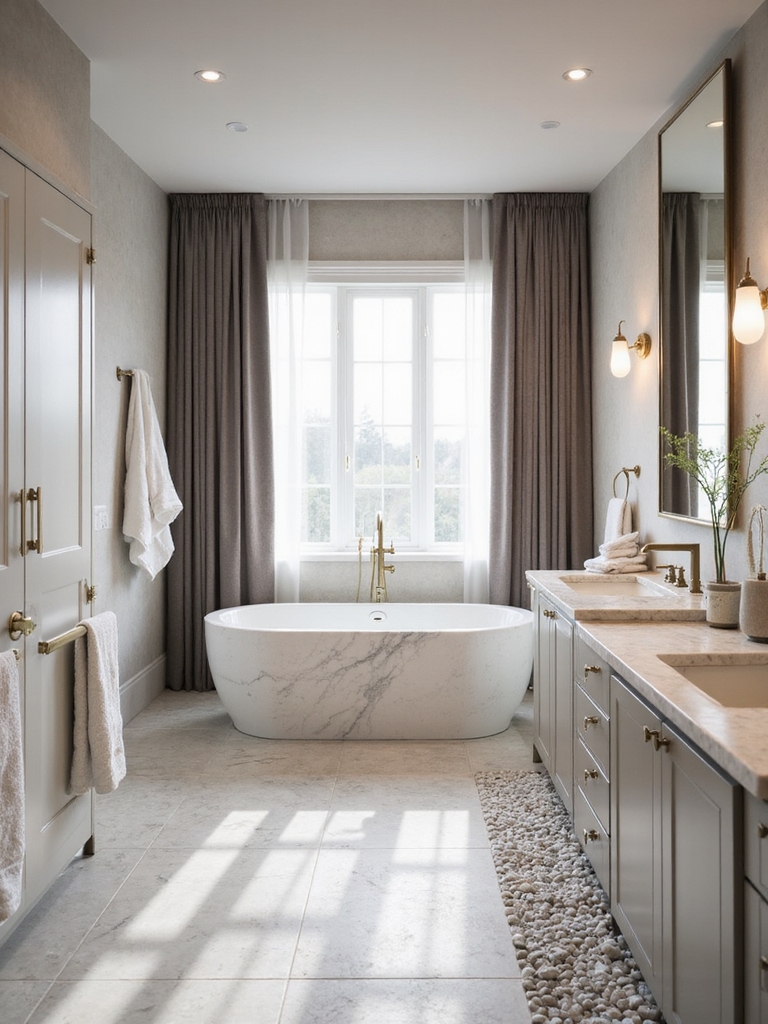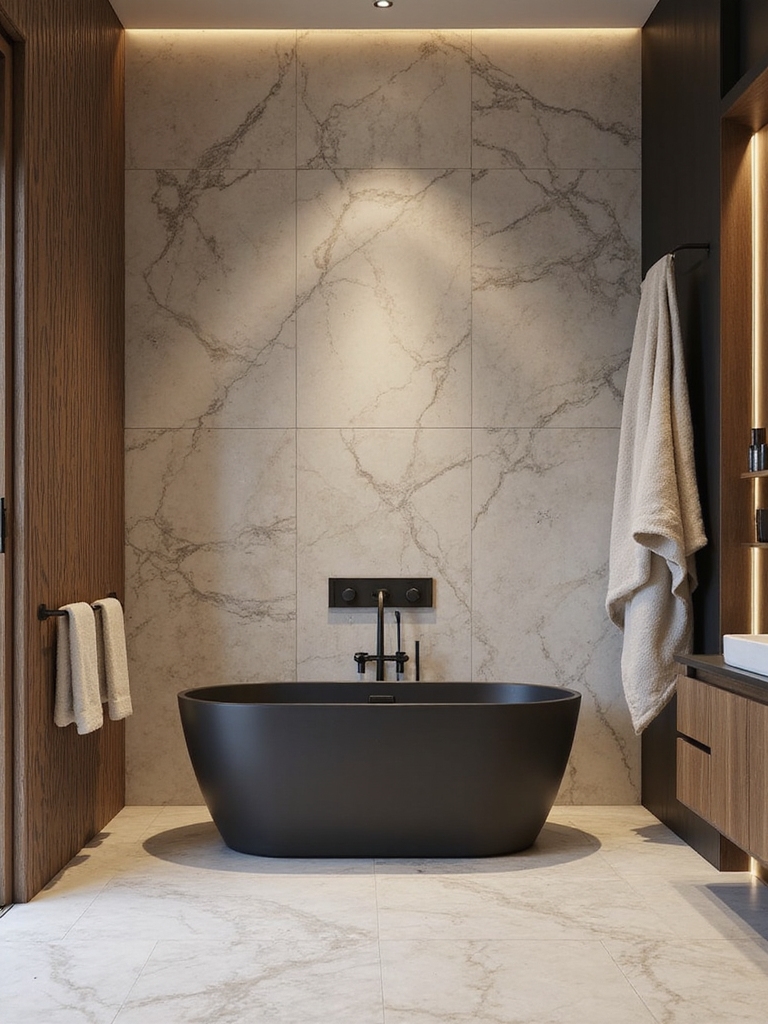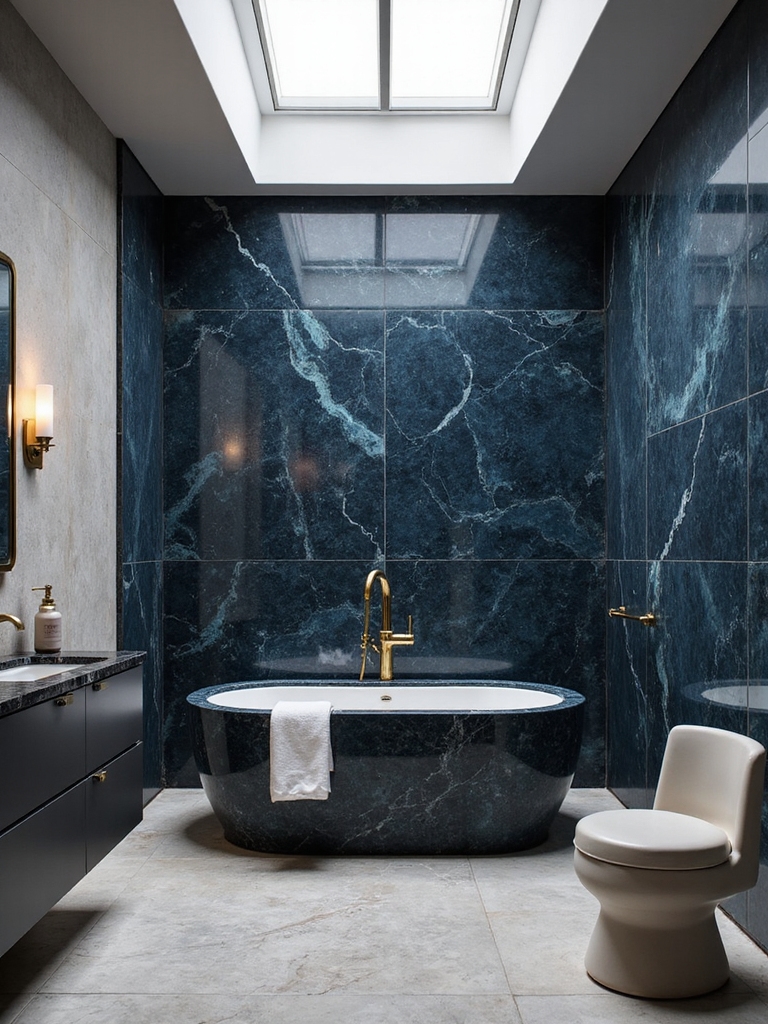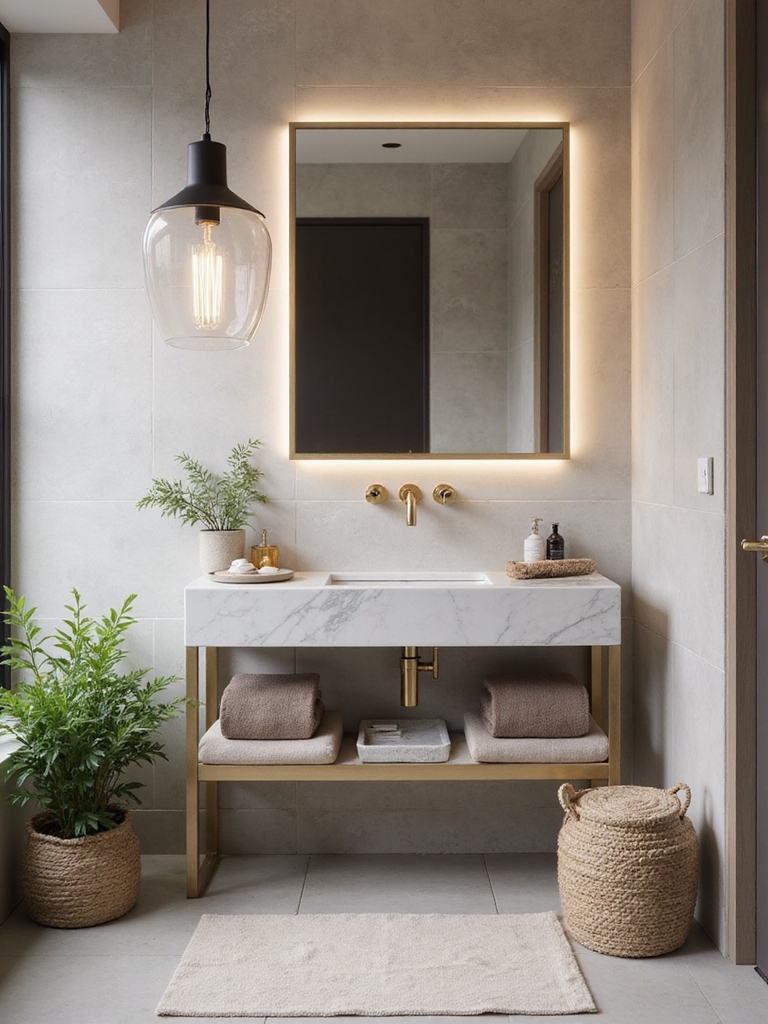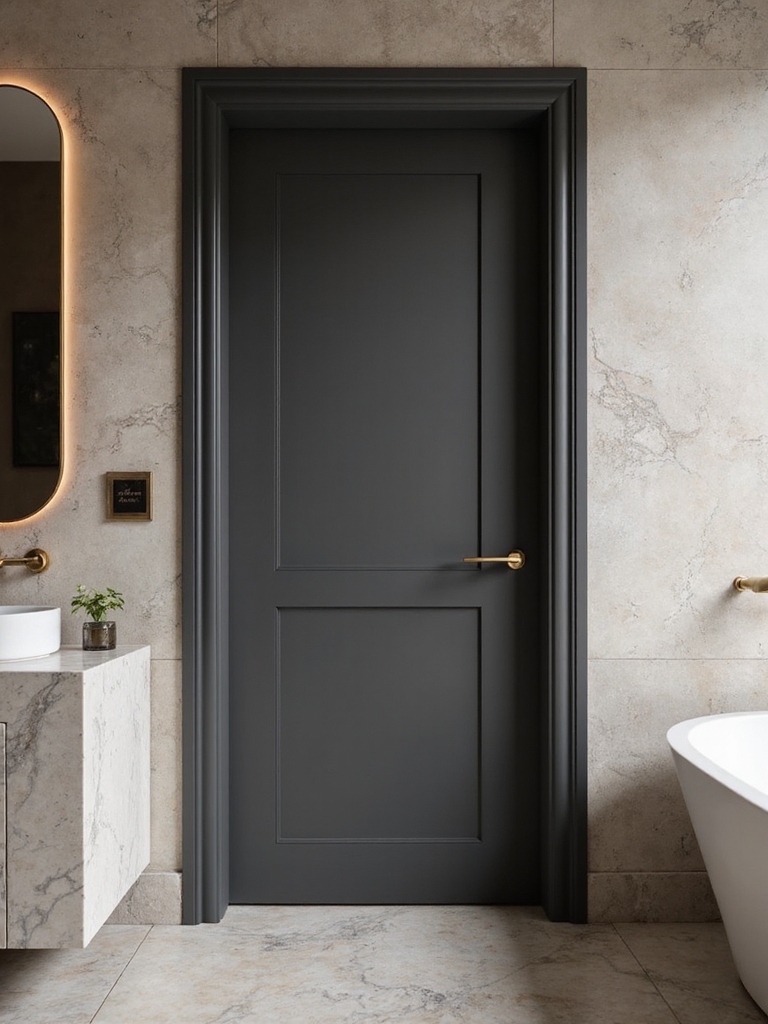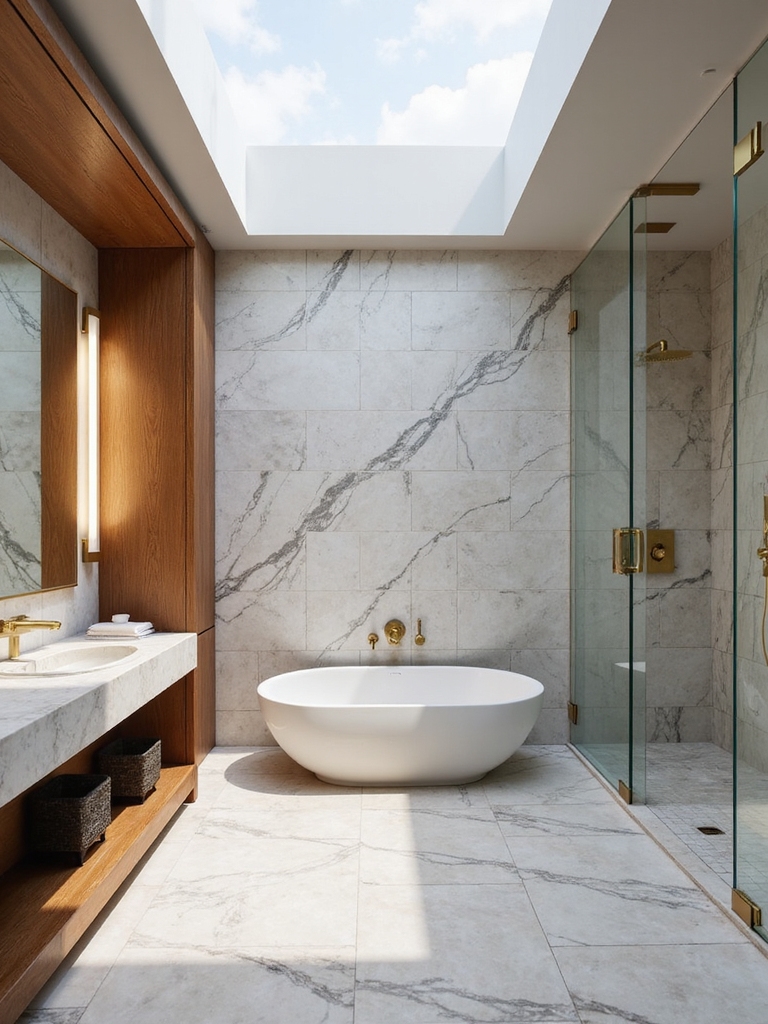
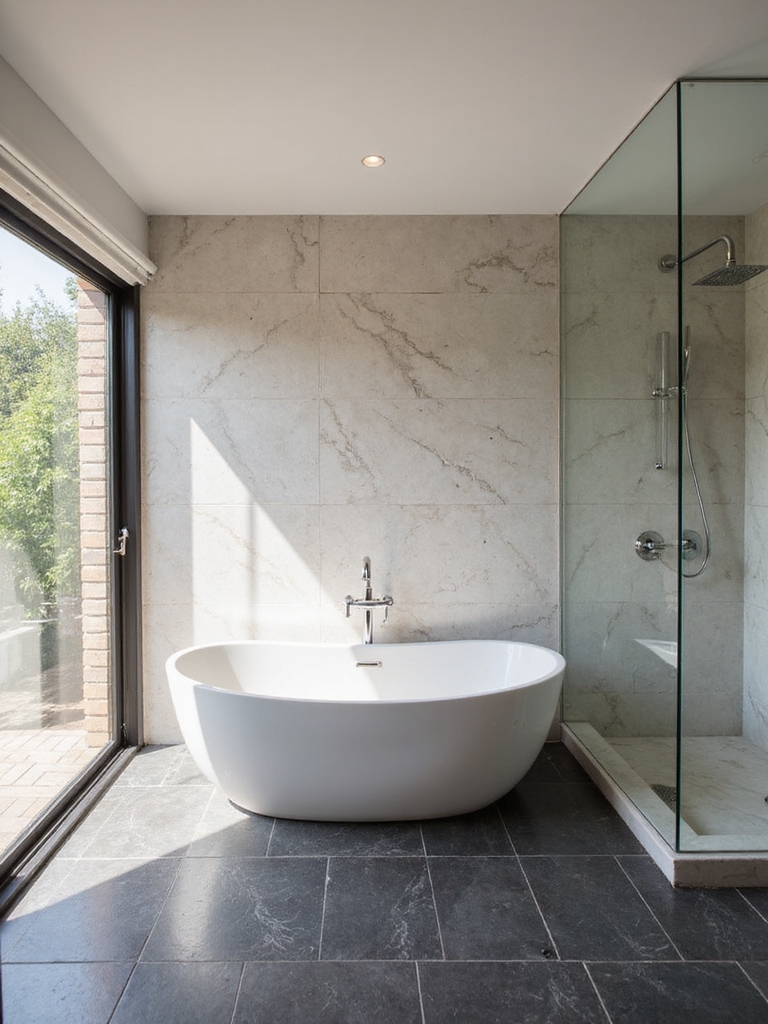
People assume a small ensuite is a compromise you just live with. It does not have to be. A tight ensuite, planned well, can feel more luxurious than a sprawling bathroom that wastes its space. It comes down to making every square foot pull its weight, so nothing is dead space and the room feels calm and open.
These 15 ensuite ideas squeeze function and a little luxury out of the smallest footprint. Below you will find wet and dry zoning, a floor-clearing wall-mounted vanity, recessed storage that hides in the walls, and the compact-design tricks that make a tiny ensuite feel like a retreat. For broader small-room moves, pair this with these transform a bathroom ideas; this one is about the ensuite specifically.
Ensuite Efficiency, in Short
Where do I gain the most space? Float the vanity and toilet to free the floor, and zone wet from dry so the layout flows.
How do I store things without crowding? Go into the walls: recessed niches and a mirrored cabinet add storage with zero projection.
Can a tiny ensuite still feel luxe? Yes. Continuous tile, a big mirror, and warm light make a small ensuite read like a spa.
Plan Wet and Dry Zones
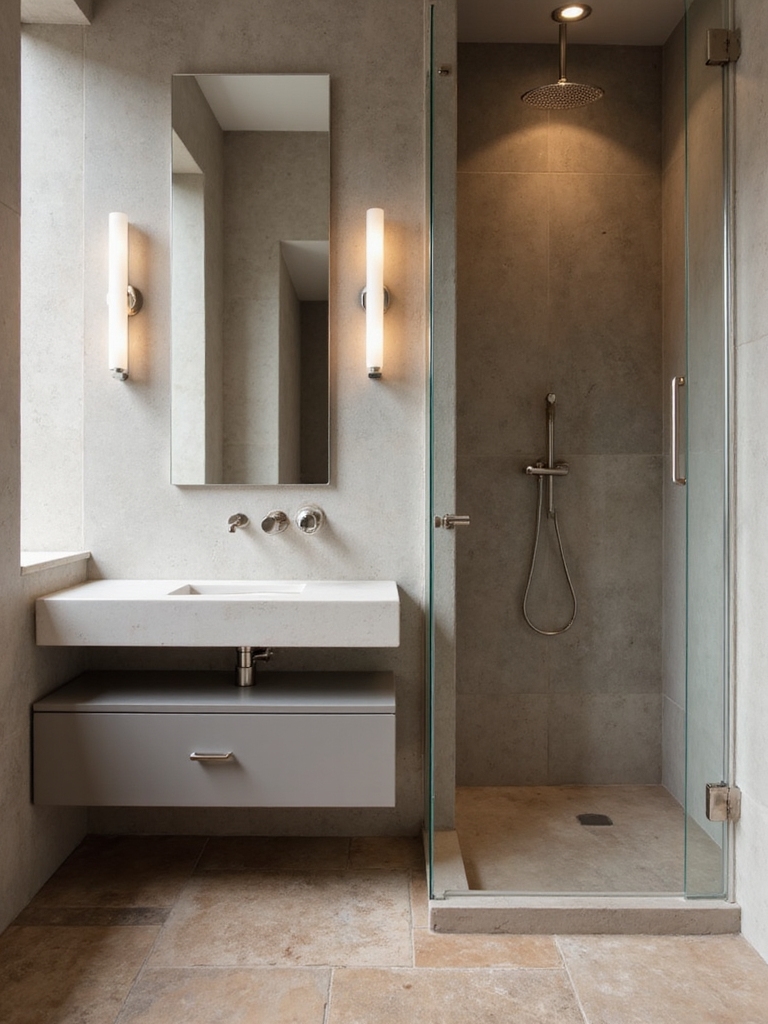
The smartest ensuites start with one idea: separate the wet zone from the dry. Keeping the shower and any splashing in one clear area, with the vanity and dressing space in another, makes a tiny room work far harder than its size suggests. The flow feels intentional, and you stop bumping into a wet shower door every time you reach the sink.
A curbless or glass-panel shower is the move that makes zoning possible without walls. A frameless glass screen marks the wet zone while letting the eye travel the full room, so the ensuite still feels open. Skipping a bulky shower enclosure for a single fixed panel reclaims real space and light at once.
Think about the path you walk from the bedroom door. The dry zone, the vanity and a spot to stand, should greet you first, with the wet zone tucked beyond it. That simple order is what keeps a small ensuite from feeling like a wet, cramped corridor and makes it feel like a considered suite.
A Space-Saving Wall-Mounted Vanity
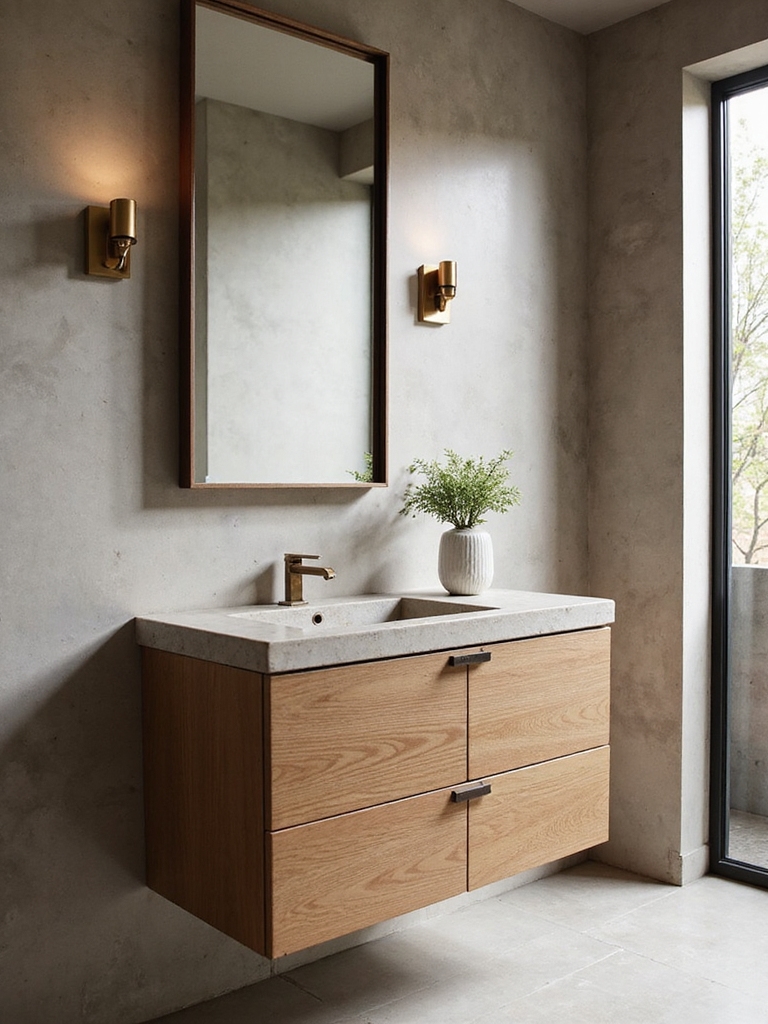
If I could change one thing in a small ensuite, it would be the vanity, because a floating one transforms the whole room. Mounting the vanity to the wall clears the floor beneath it, which makes the ensuite feel larger, lighter, and far easier to clean. A wall-mounted vanity runs $300 to $1,200 and is the single biggest space win you can make.
Match a Floating Toilet for Double the Effect
Scale the vanity to the room and let it work harder. A narrow wall-hung unit with a shallow basin still holds drawers for storage while leaving room to move, and the open floor beneath it can even hide a basket or a stool. The visible floor is what tricks the eye into reading more space.
Pair it with a wall-hung toilet if the budget and plumbing allow, since matching floating fixtures double the effect. The continuous run of clear floor under both is what makes a tiny ensuite feel modern and custom. Sort the storage inside the vanity the way you would any cabinet system.
Good to Know
Wet-zone fixtures and finishes need to handle direct water, so a curbless or glass-panel shower still requires proper waterproofing and drainage behind the scenes. That part is pro territory, not a DIY shortcut, since getting it wrong invites leaks and mold in a tight, hard-working ensuite.
Sleek, Efficient Compact Design
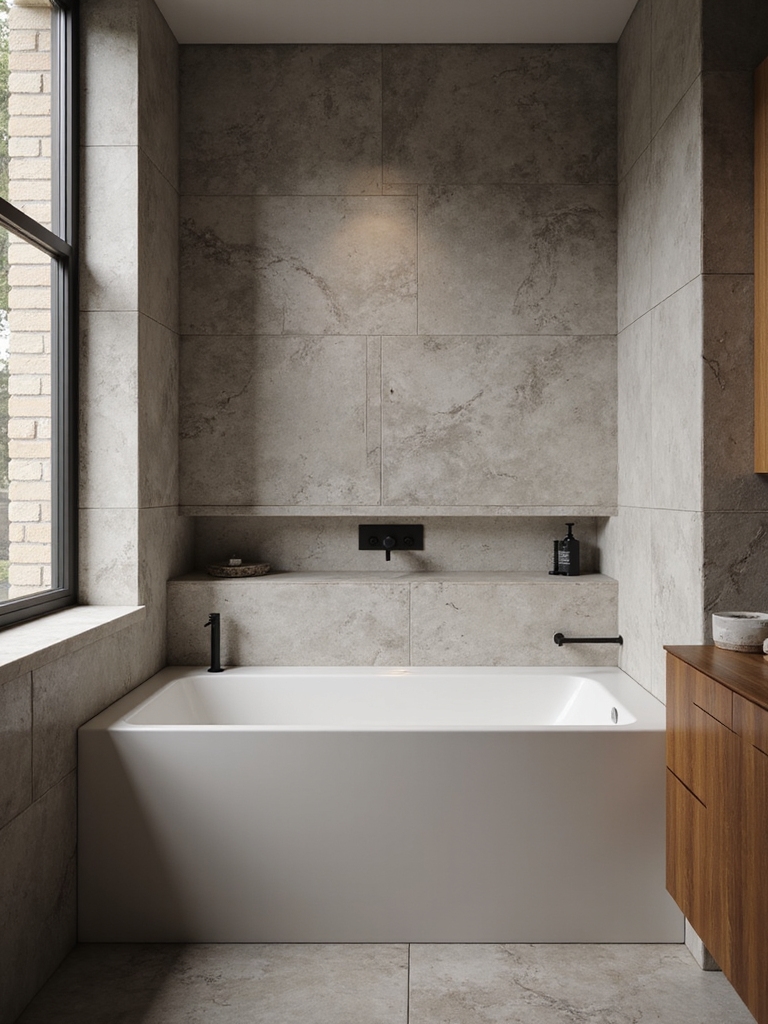
Every fixture in an ensuite should be sized to the room, because a full-size piece in a small space eats square footage you cannot spare. Choosing compact, proportional fixtures keeps the room functional and open. Here is where right-sizing pays off most:
- Pick a compact or corner sink so the basin does not crowd the walkway.
- Choose a shorter-projection toilet to gain back inches in a tight layout.
- Use a single fixed glass panel instead of a swinging door or bulky enclosure.
Efficient Space-Saving Design Tips
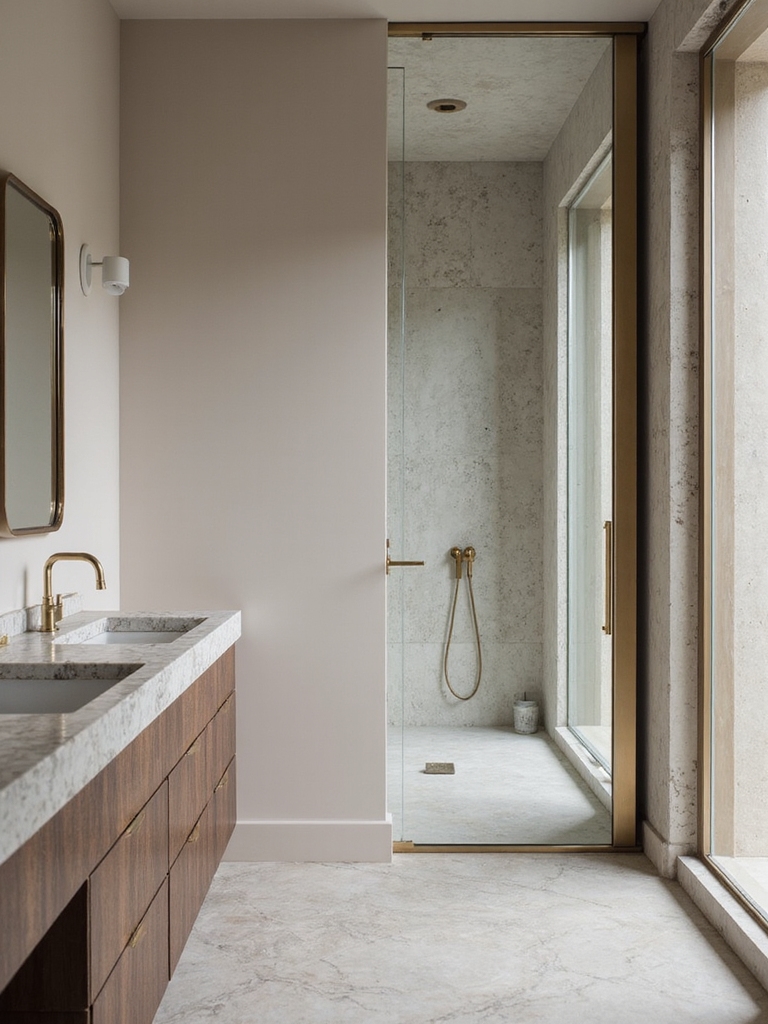
Beyond the fixtures, a handful of visual tricks make a small ensuite feel bigger than its measurements. The goal is to draw the eye out and up so the walls seem to recede. These are the moves I rely on most:
- Run one continuous floor tile across the whole ensuite to blur the edges.
- Use vertical lines, tall tile or a floor-to-ceiling shower panel, to lift the ceiling.
- Keep the palette light and tight so the small room stays open; plan it carefully first.
“In an ensuite, plan the layout on paper before you fall for a single fixture. Map the door swing, the walking path, and where the plumbing sits, then place the vanity and shower around those fixed points. Designing the floor plan first is what makes every square foot actually count.”
Sleek Recessed Storage Solutions
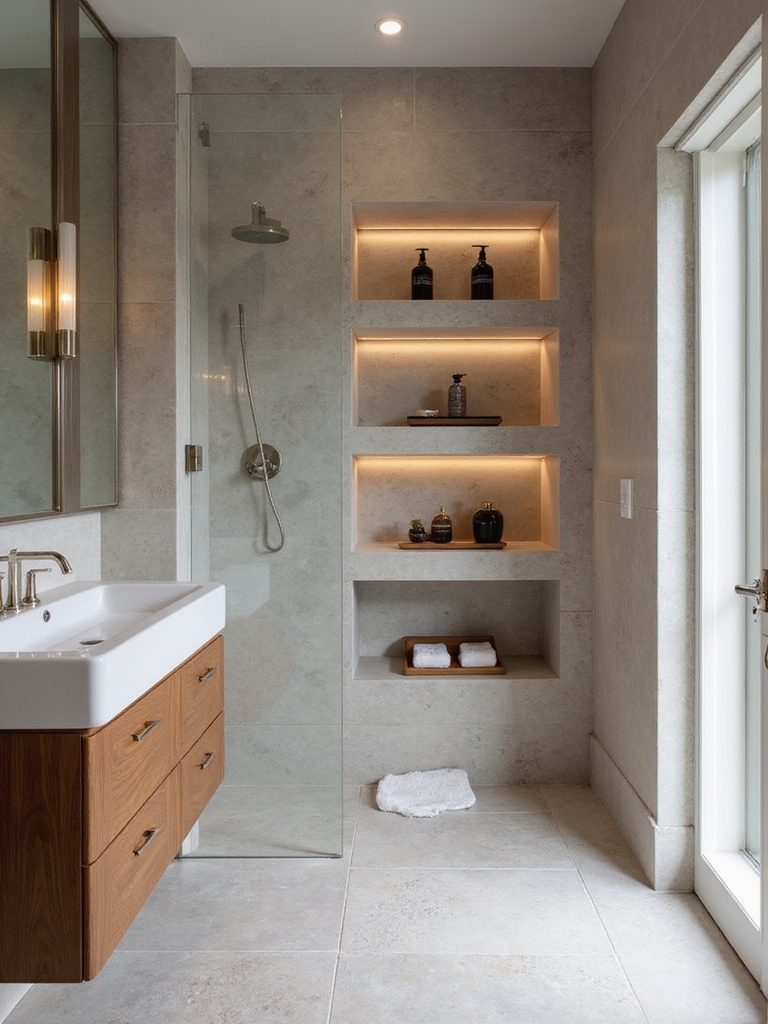
In an ensuite where the floor is precious, the smartest storage goes into the walls, where there is room to spare. A recessed niche set into the shower wall holds bottles with nothing projecting into the room, and a recessed medicine cabinet adds depth without stealing an inch. Building storage into the wall cavity is what keeps a tiny ensuite clear and calm.
Plan the niches while the walls are open during any reno, since that is the only easy time to add them. A niche at shoulder height in the shower, a shallow recess by the vanity for daily things, and a mirrored cabinet over the sink cover most needs. Lean on a few small-space storage tricks for the spots a recess cannot reach.
- Set a recessed niche into the shower wall for bottles, flush with the tile.
- Add a recessed medicine cabinet for depth with zero projection.
- Use the wall cavity wherever you can, since floor space is the scarcest thing here.
Light and Mirrors to Open the Ensuite
An ensuite is often windowless or has just a small window, so light and reflection do the heavy lifting. A large mirror, going nearly wall to wall over the vanity, bounces what light there is and doubles the sense of space in an instant. In a tight ensuite, that reflection is the next best thing to a real window.
Layer the lighting so the room never feels like a dim box. A warm overhead, light at face level by the mirror, and a strip of cove or under-vanity glow give an ensuite depth and a spa-like calm. Cool, bluish light flattens a small room, so I keep every bulb in the warm range.
Reflective and glossy surfaces add to the effect. A glass shower panel, a glossy tile, and a metallic accent each pass light around the room. Coordinate the bulbs by lighting tone and place the mirror opposite your brightest source, and a small ensuite suddenly feels open and bright.
Layout: Where Every Inch Goes
The single biggest win in an ensuite is the layout, since a few inches in the right place change how the whole room works. Before any tile or fixture, I map the door swing, the walking path, and where the plumbing already sits, because moving plumbing is the one truly expensive change. Working with the existing pipes keeps the budget sane.
Stack functions to save space where you can. Placing the vanity beside the shower tightens the footprint, a pocket or sliding door frees the swing arc, and a corner shower claims dead angle space. These layout moves cost little when planned early and reclaim more usable room than any single fixture.
- Map the door swing and walking path before choosing fixtures.
- Keep plumbing where it is, since moving it is the costliest change.
- Use a pocket or sliding door to free the floor a swing wastes.
Make a Small Ensuite Feel Like a Retreat
Square footage is only half of an ensuite; the other half is how it feels. A small ensuite earns its retreat status from warmth and restraint. Size has little to do with it. I tell every client to layer in a wood accent, plush towels, a single plant, and one warm metal repeated across the fixtures, because those small touches are what make a compact room feel calm and quietly considered. Those touches make a compact room feel calm and considered.
Continuity is the move that makes a tiny ensuite feel luxe. Running one tile from floor into the shower and keeping a tight, warm palette makes the room feel designed as a single whole. Fewer breaks and a quiet color story are what high-end ensuites have in common.
Keep the surfaces clear so the calm holds. A clutter-free vanity, a styled tray, and warm light turn a functional ensuite into a place you actually want to linger. A one-minute nightly reset keeps that retreat feeling alive instead of buried under bottles within a week.
Double-Duty Pieces That Earn Their Spot
In an ensuite, every piece should do at least two jobs, because there is no room for anything that only does one. I tell every client to choose double-duty wherever they can. A mirrored cabinet is both your mirror and your storage. A bench at the end of a tub holds towels underneath and gives you a place to sit. One piece, two functions, half the footprint.
Vertical pieces earn their keep too. An over-the-toilet shelf or a slim ladder claims the dead air above fixtures, turning blank wall into real storage without touching the floor. A tall, narrow cabinet beats a wide one every time in a tight ensuite, since it stores the same amount in a fraction of the floor space.
Hooks are the cheapest double-duty move of all. A row of hooks on the back of the door or a slim wall rail holds robes and towels where a bar would not fit. Clients ask me how to add storage when the walls feel full, and going vertical with hooks and shelves is almost always the answer.
Common Mistakes to Avoid
The biggest ensuite mistake is cramming in full-size fixtures, which leaves no room to move and makes the whole space feel tighter than it is. Right-size everything to the room instead, and the ensuite breathes. The second common slip is moving plumbing on a whim, which blows the budget for a change you rarely need.
The other traps are cool lighting and a too-busy palette, both of which make a small room feel smaller and cheaper. Warm the light, keep the colors tight, float what you can, and store in the walls, and a tiny ensuite turns from an afterthought into the most efficient, restful room in the home.
Small Footprint, Big Payoff
A great ensuite is not about size; it is about making every square foot count. Zone wet from dry, float the vanity and toilet to free the floor, push storage into the walls, right-size every fixture, and stretch the room with light, mirrors, and continuous tile. Do that and a tight ensuite feels more luxurious than a bigger bathroom that wastes its space.
Start with the layout and the floating vanity, since those two moves change a small ensuite the most, then build the rest around them. Picture your ensuite with the floor cleared and the storage hidden in the walls, and you will see how much room was there all along.