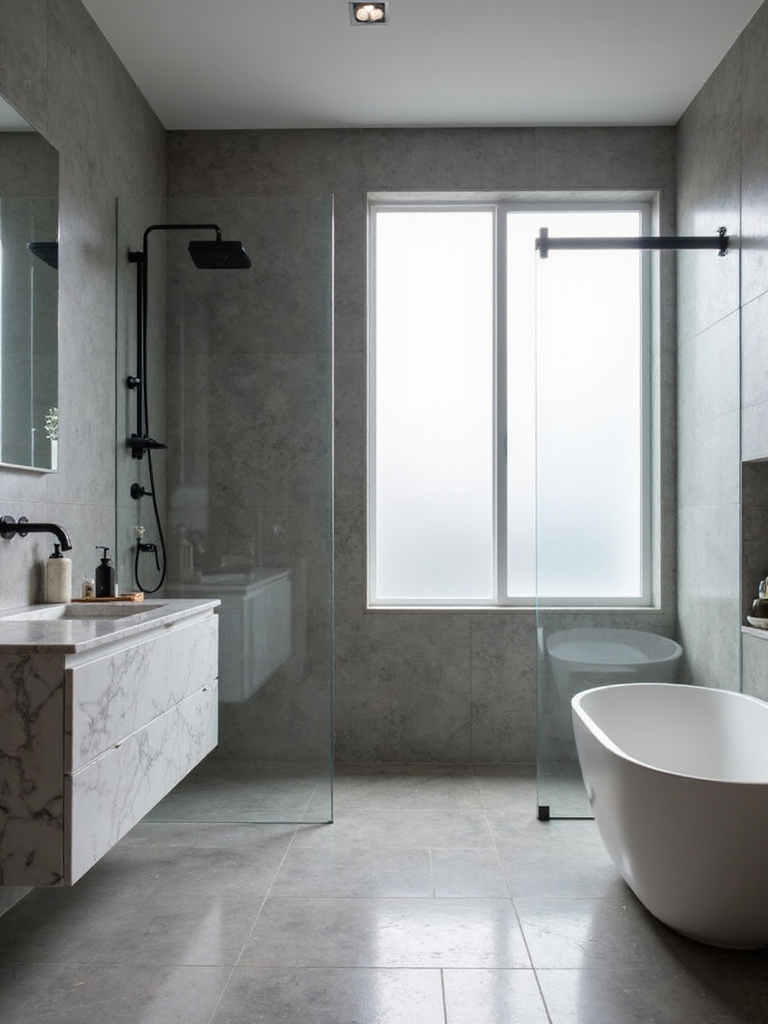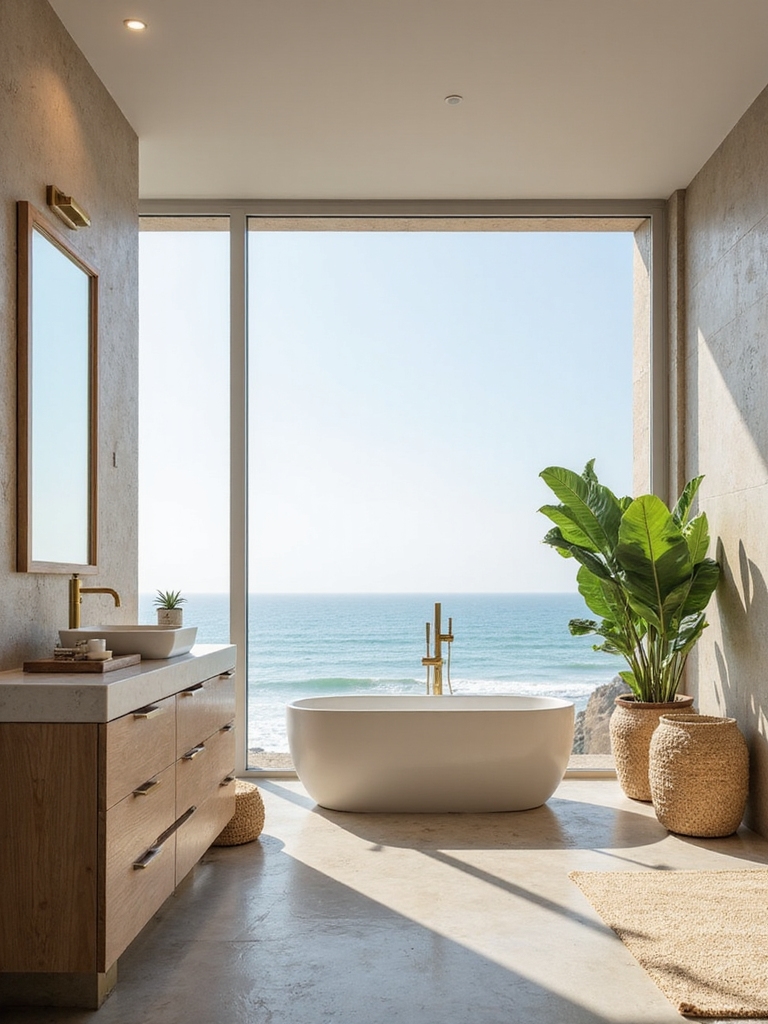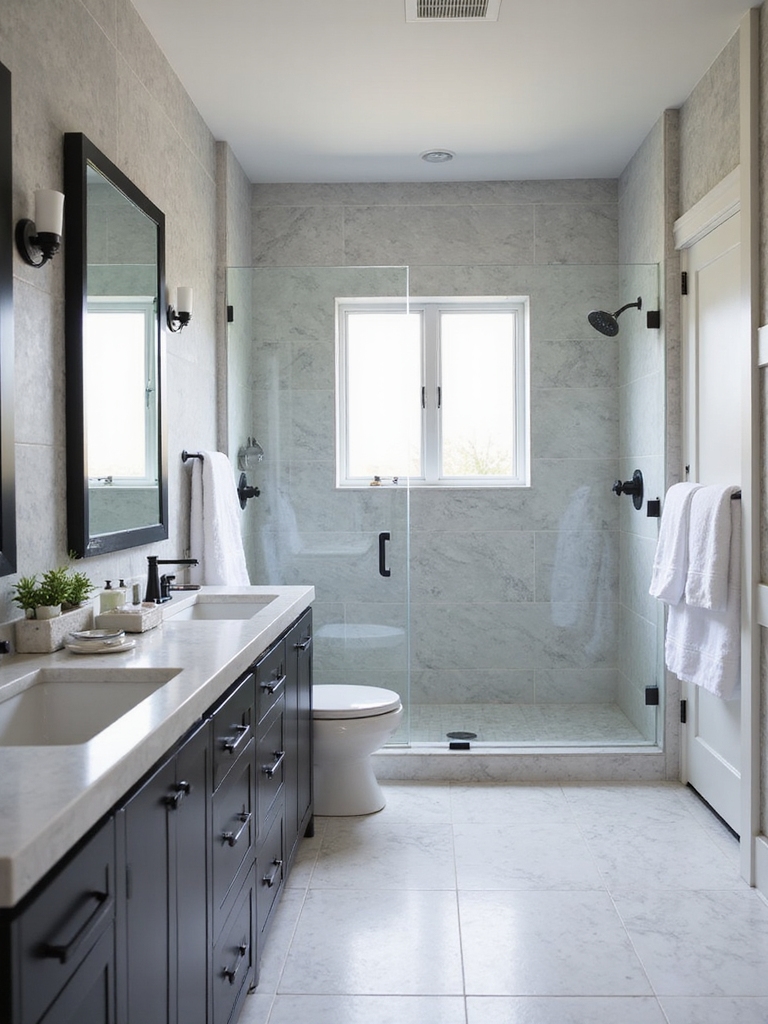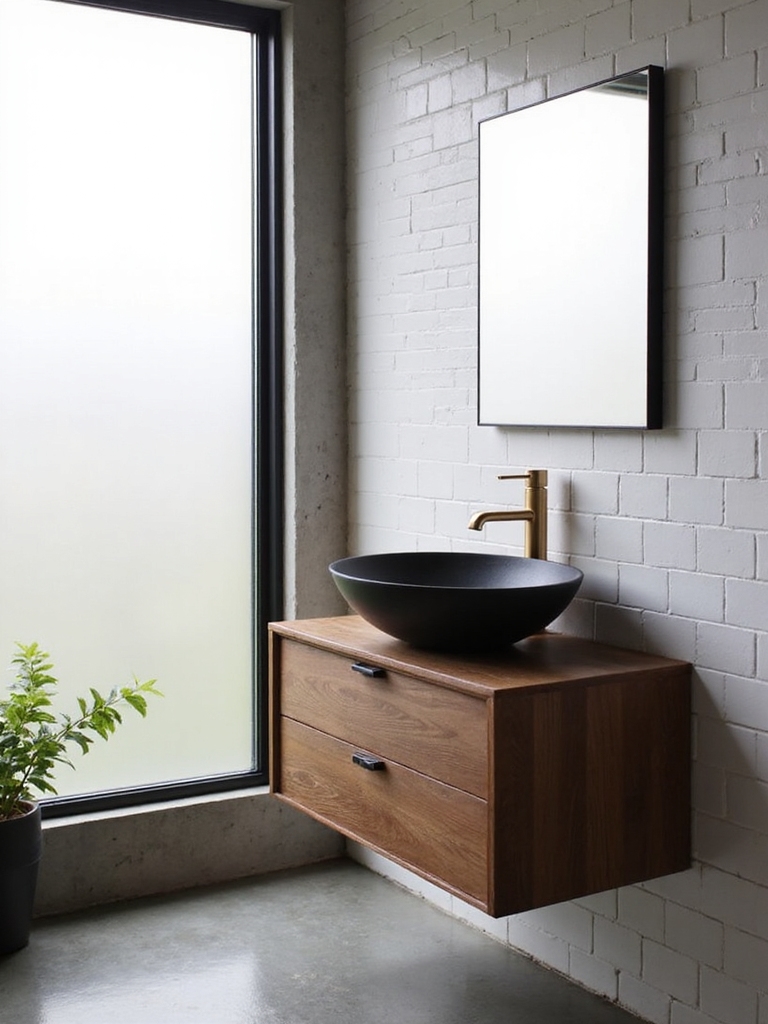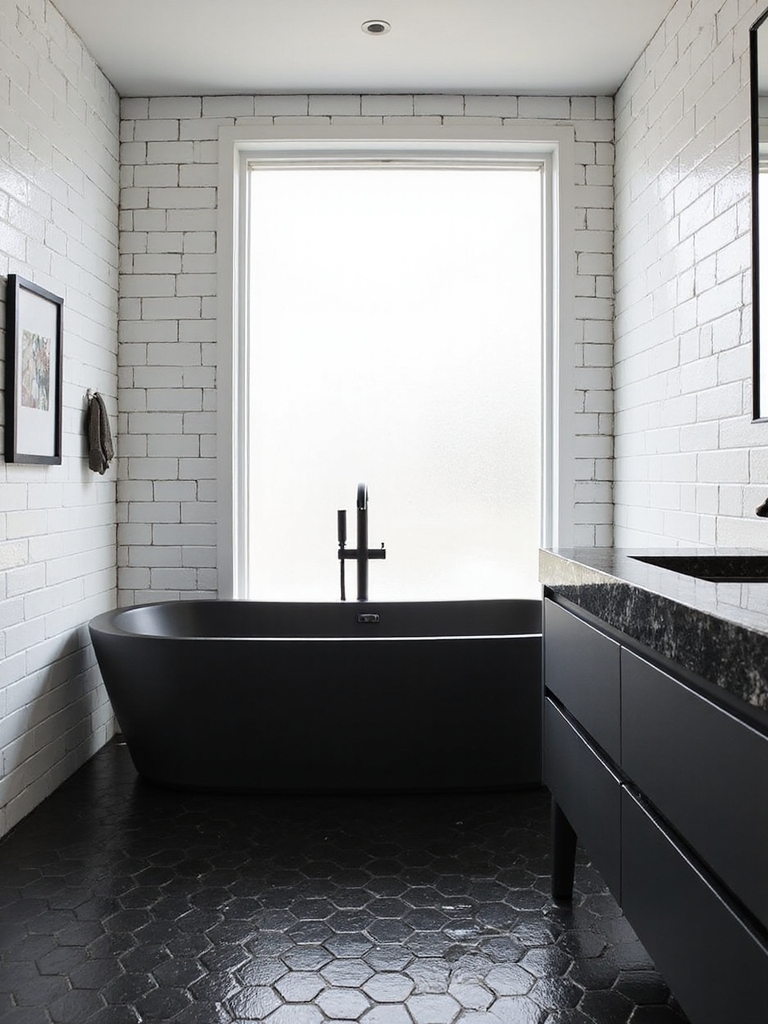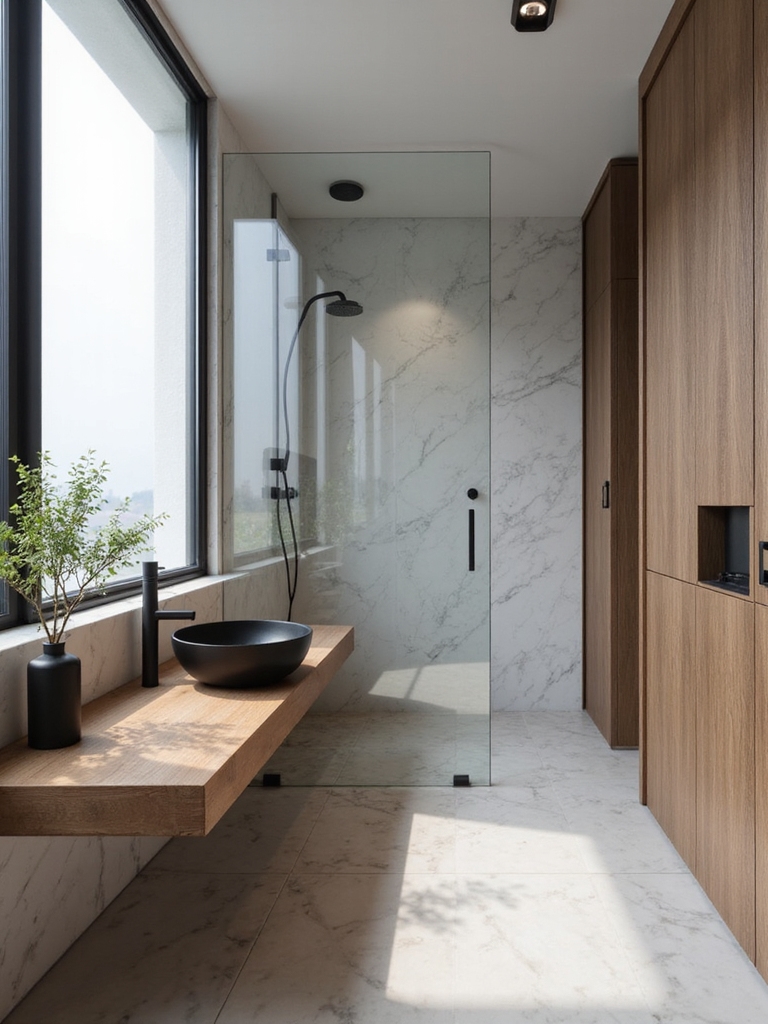

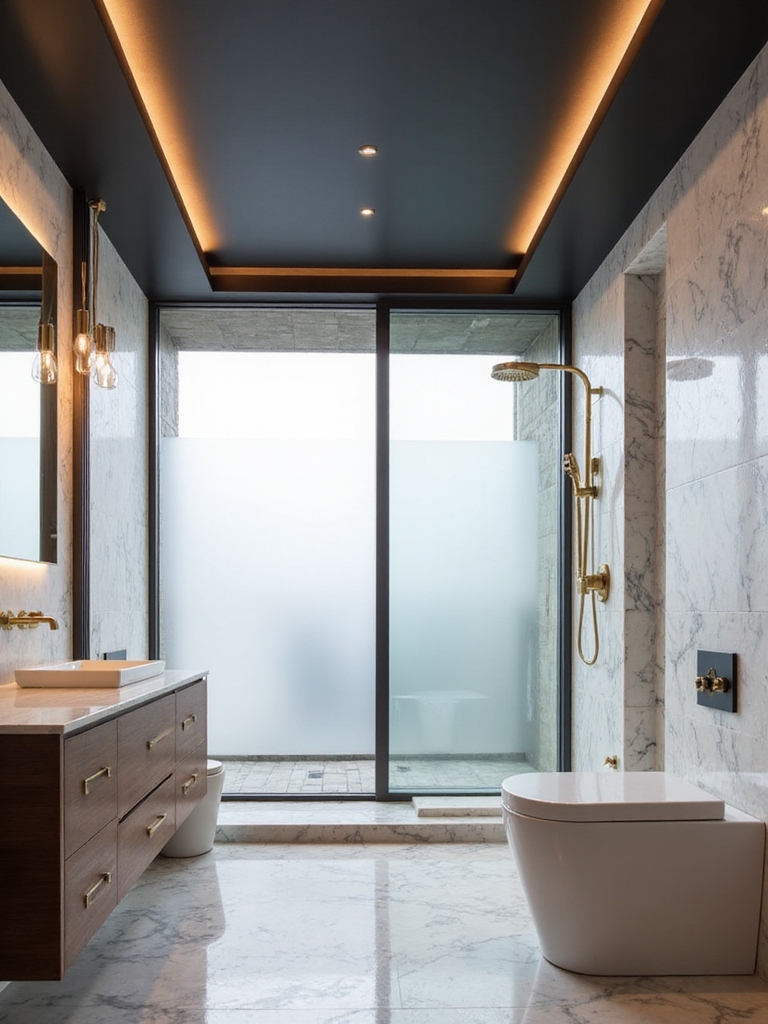
Old-school bathroom ceilings did one job: stay white and stay out of the way. The ones modern homes are trying now pull double duty as the room’s quietest design statement and its smartest piece of tech. I have watched the ceiling go from afterthought to the first thing a client points at, and the shift is mostly about hiding function inside a finish that looks intentional.
These 17 bathroom ceiling ideas lean contemporary: panels with depth, soffits that swallow the vent and wiring, layered LED you control by zone, and floating elements that make a flat lid feel like architecture. I will keep it honest about effort and moisture, because a modern ceiling still has to survive the steam. If you want the classic, eye-up treatments instead, those live in these ceiling ideas that draw the eye up.
Modern Ceiling Moves at a Glance
| The move | Best for | Effort |
|---|---|---|
| Panel accents and floating panels | Adding depth to a flat, boxy ceiling | Weekend to pro |
| Hidden-tech soffits and layered LED | A clean, clutter-free, app-controlled look | Pro for wiring |
| Ceiling mirror or industrial finish | A bold, contemporary statement | Pro install |
Moisture Management Meets Modern Style
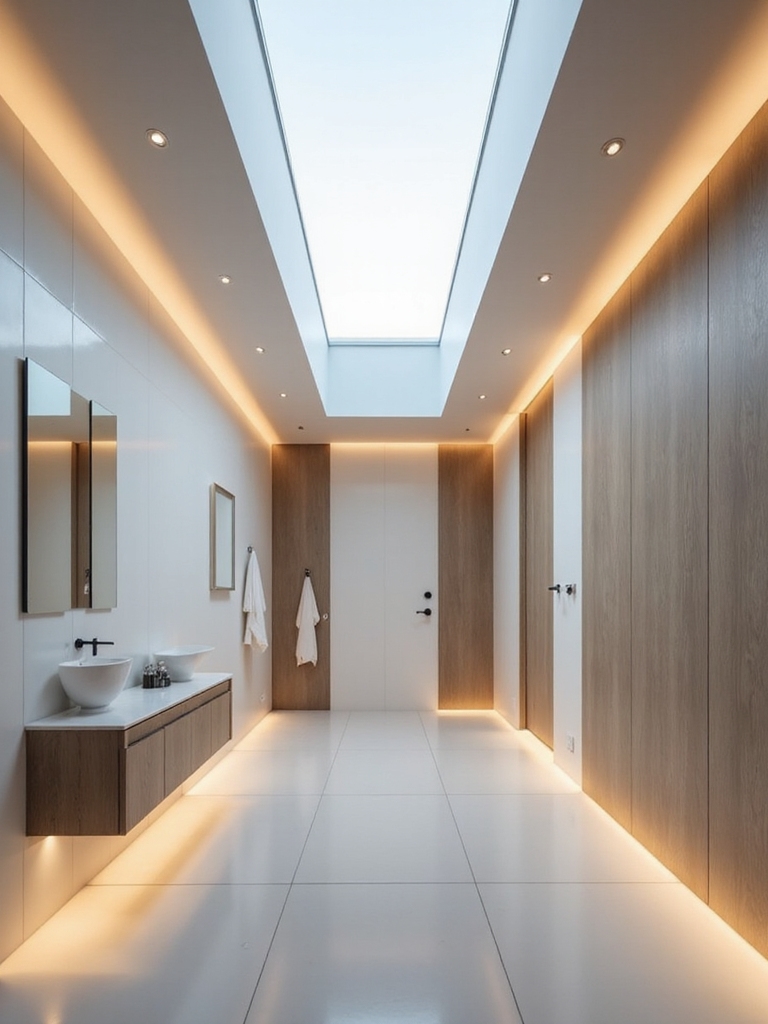
Every modern ceiling idea starts with the same unglamorous truth: a bathroom ceiling lives in steam, so style and moisture management have to be solved together. The contemporary look people want, clean lines, hidden tech, integrated light, only lasts if the finish and the ventilation can handle humidity. Get the boring part right and the pretty part holds for years.
That is why the best modern ceilings pair a moisture-rated finish with a properly sized exhaust fan. The fan is doing the real work; the finish just has to look sharp while it dries fast. I build every ceiling plan around airflow first, then style, because no trend survives a room that traps moisture.
- Size the exhaust fan to the room, then run it during and after every shower.
- Choose moisture-rated panels, paint, or tile so the modern finish does not stain or warp.
- Keep a small access point for any hidden tech, so service does not mean demolition.
Dramatic Panel Accents for Depth
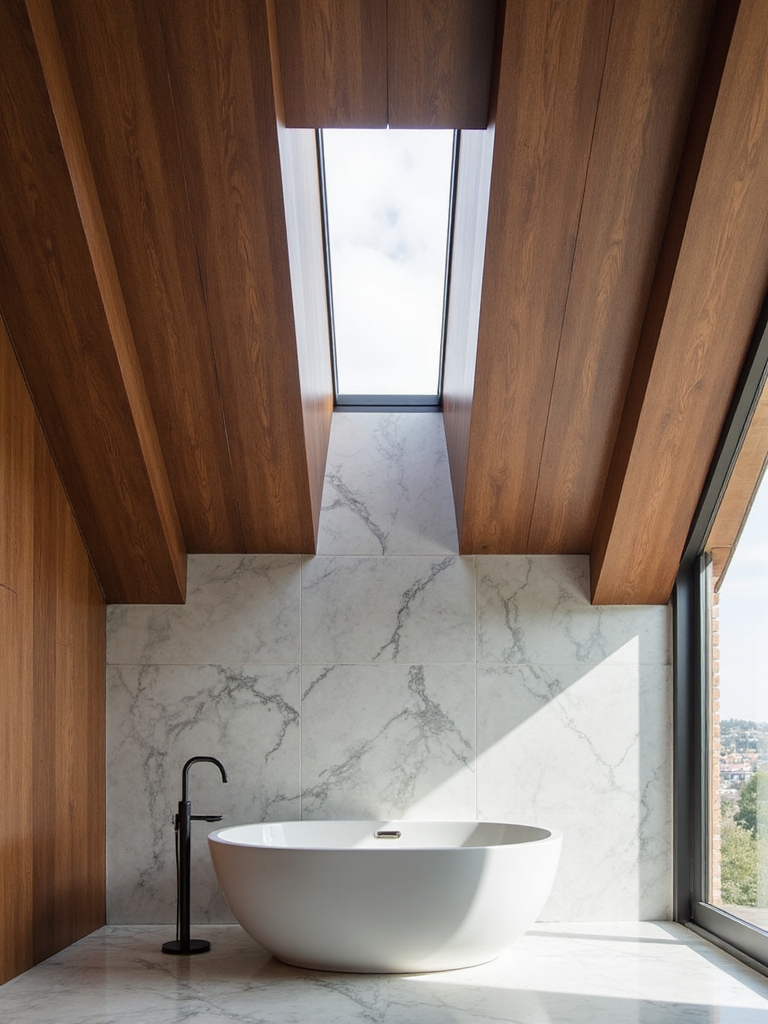
Flat ceilings are the giveaway of a builder-basic bath, and panel accents are the fastest modern fix. A run of wood, veneer, or lacquered panels that contrasts the base color adds depth, throws soft shadow, and gives the eye structure overhead. The contemporary version keeps the palette muted and the lines clean, so the panels feel architectural instead of busy.
Proportion is everything here. I keep panels generous and few, because a handful of confident planes looks modern while a dozen small, fussy ones crowd the view, scatter the shadows, and quietly drag the whole ceiling back toward the busy, dated look you were trying to leave behind.
Match the panel tone to a wood or metal already in the room and the ceiling joins the rest of the design. I have specified floating and accent panels in three recent baths, and the matched-tone version wins every time.
- Pick wood, veneer, or lacquer panels in a muted, contemporary palette.
- Keep panels large and few so the look stays clean, not cluttered.
- Echo a finish from the vanity or hardware so the ceiling feels connected.
Stylist’s Note
The single most modern thing you can do to a ceiling costs almost nothing: put the lighting on separate switches. Ambient, task, and accent on their own dimmers is what makes a ceiling feel designed, and it is the upgrade clients notice every single day.
Hidden Tech and Texture in Smart Soffits
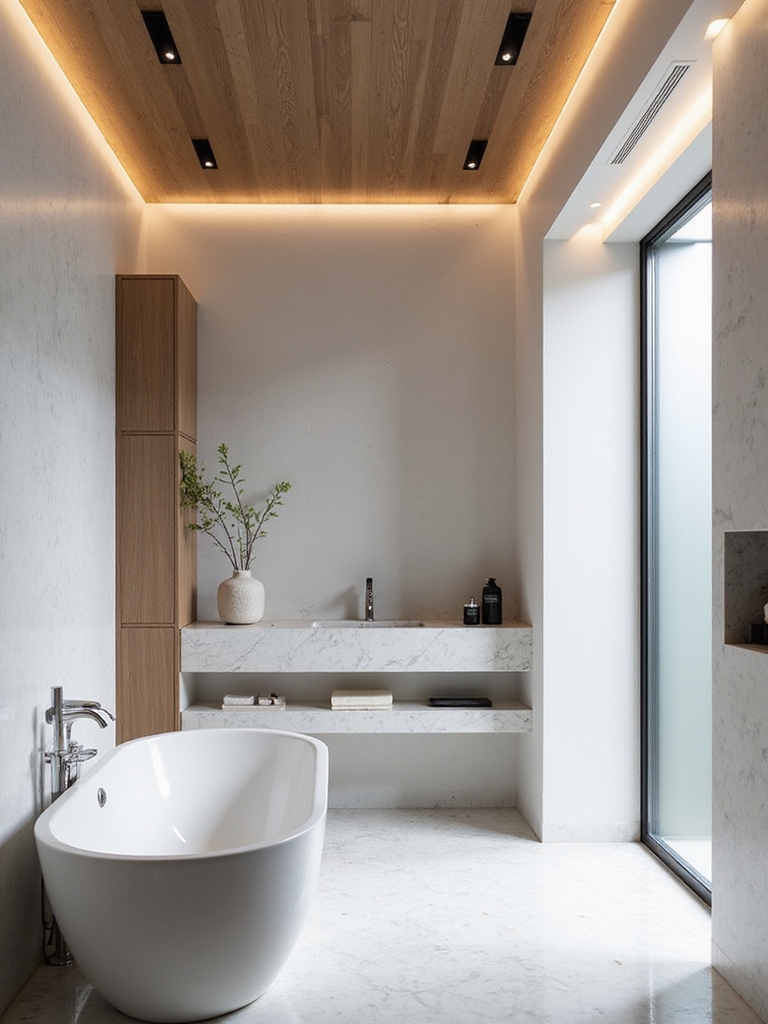
The cleanest modern ceilings hide their machinery, and soffits are how. A dropped soffit or a slim boxed channel swallows the vent, the wiring, and the speaker while giving you a fresh surface to add texture. This is the trick that makes a ceiling look custom, and it is the one clients are most surprised by. Here is how I plan it:
- Map the vent, wiring, and any speaker runs first, then box them into a soffit.
- Add a low-profile access panel so the hidden tech stays serviceable.
- Finish the soffit face with a subtle texture or a contrasting color so it reads as a design choice.
Layered LED Lighting Strategies
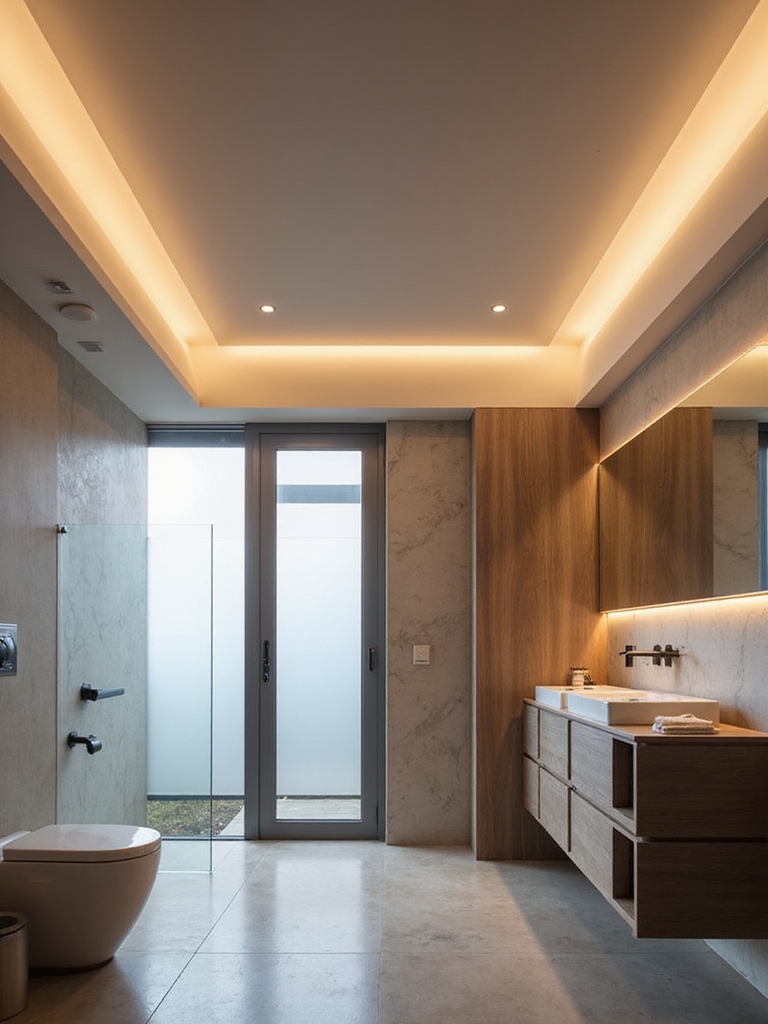
If one thing separates a modern ceiling from a dated one, it is the lighting plan. The contemporary move layers three jobs: ambient light to fill the room, task light for the mirror, and accent light to graze a panel or cove. One flat fixture cannot do any of that.
This is the first thing I light by zone for any client. A dimmer and a couple of zones let the same ceiling shift from bright-for-makeup to low-and-warm at night. LED tape runs about $15 to $40 a roll and tucks into a cove for that floating glow.
Warmth keeps it from feeling clinical. I spec 2700K to 3000K bulbs across every layer, because mismatched color temperatures are the fastest way to cheapen an expensive ceiling. Coordinate the whole plan by lighting tone before you buy a single strip, and put the layers on separate switches so you actually use them.
| Idea | Effort | Rough cost |
|---|---|---|
| Slat or beadboard panel + LED cove | DIY weekend | $200 to $600 |
| Layered LED with zones | Electrician | $400 to $1,200 |
| Hidden-tech soffit or ceiling mirror | Pro install | $1,000+ |
Lightweight Floating Ceiling Panels
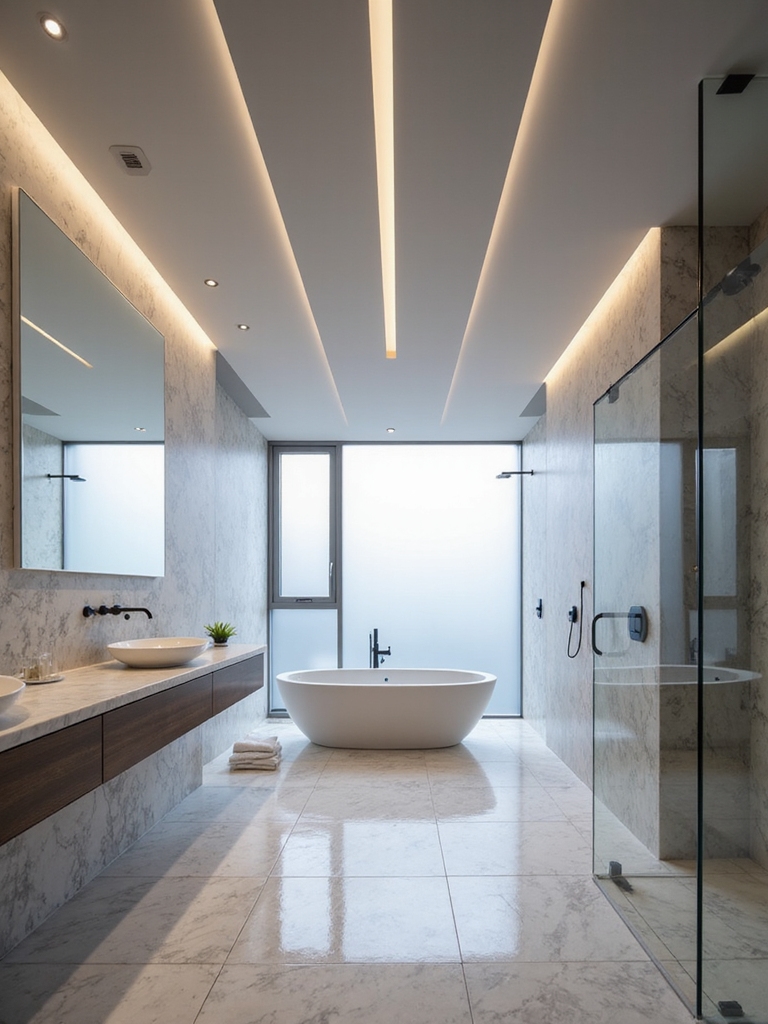
Floating ceiling panels are the trend that makes a flat lid feel like architecture. A lightweight panel mounted just below the ceiling, with a slim gap and concealed LED behind it, appears to hover and throws a soft halo of light around its edge. The effect is modern, calm, and far simpler to install than it looks, since the panels are light and sit in a shallow cavity.
The Shadow Gap Does the Work
The detail that sells it is the shadow gap. That inch of dark space between the panel and the ceiling is what makes it float, so I keep the reveal consistent and the edges crisp. Matte finishes beat glossy here, because they spread the cove light softly instead of bouncing a hard glare.
Scale the panel to the room so it feels deliberate. One generous floating plane over the vanity or tub anchors the space, while a fussy grid of small ones loses the magic. Precise, even spacing is what keeps the whole thing looking modern and intentional.
Ceiling Mirrors and Industrial Details
Two bolder trends are showing up in modern baths, and both make a statement. A ceiling mirror sounds dramatic, but over a vanity it bounces daylight down and makes a low room feel taller and brighter. Use a low-profile, anti-fog, mirror-safe panel and have it installed properly, since overhead glass is a job for a pro, not a Saturday.
Industrial details pull the opposite direction, trading polish for character. Exposed pipe, a metal grid, or a concrete-look finish gives a ceiling edge and pairs beautifully with warm wood and matte black fixtures. The key is restraint, so it feels curated and intentional. A little goes a long way.
Both moves want a quiet room around them. When the ceiling is the statement, I keep the walls and vanity calm so the eye lands where I want it. Pull a single accent color through the space to tie it together, the way you would plan any color-by-mood scheme.
Acoustic and Wet-Area-Safe Finishes
A modern bathroom can be a hard, echoey box, and acoustic finishes are the quiet upgrade more homes are trying. Moisture-rated acoustic panels or a sealed mineral-fiber tile soften the morning clatter and the shower roar, which makes a tiled room feel calmer without changing the look. They run $5 to $15 a square foot and pair well behind a slatted wood ceiling for warmth and hush at once.
Wet-area safety is the non-negotiable underneath all of it. Anything over or near the shower needs a finish rated for direct moisture, so I stick to sealed surfaces, damp-rated fixtures, and rust-resistant hardware up top. Spend here once and the modern look holds; cut the corner and you are repairing water damage by next winter.
- Choose moisture-rated acoustic panels to quiet an echoey, tiled room.
- Use only damp-rated fixtures and rust-resistant hardware above wet zones.
- Seal any wood or textured finish so steam cannot creep in behind it.
Planning a Modern Ceiling Update
Match the idea to your appetite for work and you will not stall halfway. The budget-friendly wins are real: a beadboard or slat panel and a strip of LED cove light deliver a modern look for a weekend and a few hundred dollars. The panel itself goes up in an afternoon. I point first-timers here, because the payoff is high and the risk is low.
The bigger swings want a plan and usually a pro. Hidden-tech soffits, ceiling mirrors, and anything involving wiring or structure are pro jobs, and I always price them with a proper quote before falling in love. Knowing the cost up front is what keeps a modern ceiling from becoming a stalled, half-framed mess.
Whatever you try, build in a maintenance habit. A five-minute wipe of the corners every couple of weeks, a closer mildew check every few months, and a fresh sealed coat every three to five years is all it takes to keep a modern ceiling sharp in a humid room. Stay ahead of the damp and a sealed finish holds its look for years. The trends age well only when the upkeep is part of the plan from day one.
What to Expect
Here is the realistic spread. A panel or floating-element refresh with cove lighting is a weekend project and a few hundred dollars, and it delivers most of the modern wow for the least money. Layered LED with zones and dimmers sits in the middle, easy in concept but worth an electrician for clean wiring.
The statement moves, hidden-tech soffits, ceiling mirrors, and full industrial finishes, are pro jobs that reward planning. None of it is constant upkeep, just a seasonal wipe and the occasional reseal. Decide how far you want to go, then start with the lowest-risk version that gets you there, and the modern ceiling basically maintains itself after that.
Modern Ceiling Questions, Answered
?What is the most popular modern bathroom ceiling trend right now?
Hidden-tech soffits paired with layered LED lighting top the list. Tucking the vent, wiring, and speakers into a clean soffit, then lighting the ceiling in zones you can dim, gives the uncluttered, app-controlled look modern homes want. Floating panels with concealed cove light are a close, lower-cost second.
?Are floating ceiling panels hard to install?
Less than they look. The panels are lightweight and sit in a shallow cavity below the ceiling, with concealed LED behind them for the floating glow. The fiddly part is keeping the shadow gap even and the edges crisp; the structure itself is simple, which is why it is a popular weekend upgrade.
?Can I put a mirror on a bathroom ceiling?
Yes, and over a vanity it bounces light and makes a low room feel taller. Use a low-profile, anti-fog, mirror-safe panel and have it professionally installed, since overhead glass needs secure mounting. Pair it with warm lighting so the reflection softens rather than glares.
?How do I keep a modern ceiling finish from failing in the steam?
Solve moisture first. Use finishes and fixtures rated for wet areas, size the exhaust fan to the room, and run it during and after showers. Seal any wood or texture so steam cannot get behind it. The look only stays modern if the humidity is actually being managed.
?What is the cheapest modern ceiling upgrade?
A slat or beadboard panel with a strip of LED cove light. For a weekend and a few hundred dollars you get depth, a soft floating glow, and a clearly contemporary look. It is the highest-payoff, lowest-risk place to start before considering the pro-level moves.
Make the Ceiling the Smart Part of the Room
The modern bathroom ceiling earns its keep by doing two things at once: looking intentional and hiding the function that used to clutter the room. Panels and floating elements add the depth, soffits swallow the tech, layered LED sets the mood, and a moisture-rated finish keeps it all alive in the steam. None of it shouts, and all of it makes the room feel current.
Start with the version that fits your budget and your tolerance for dust, usually a panel and a strip of cove light, then build toward the bolder, pro-installed moves over time. Look up at that flat white lid and ask what it could be doing instead. Which modern idea will your home try first?
Keep the Inspiration Going