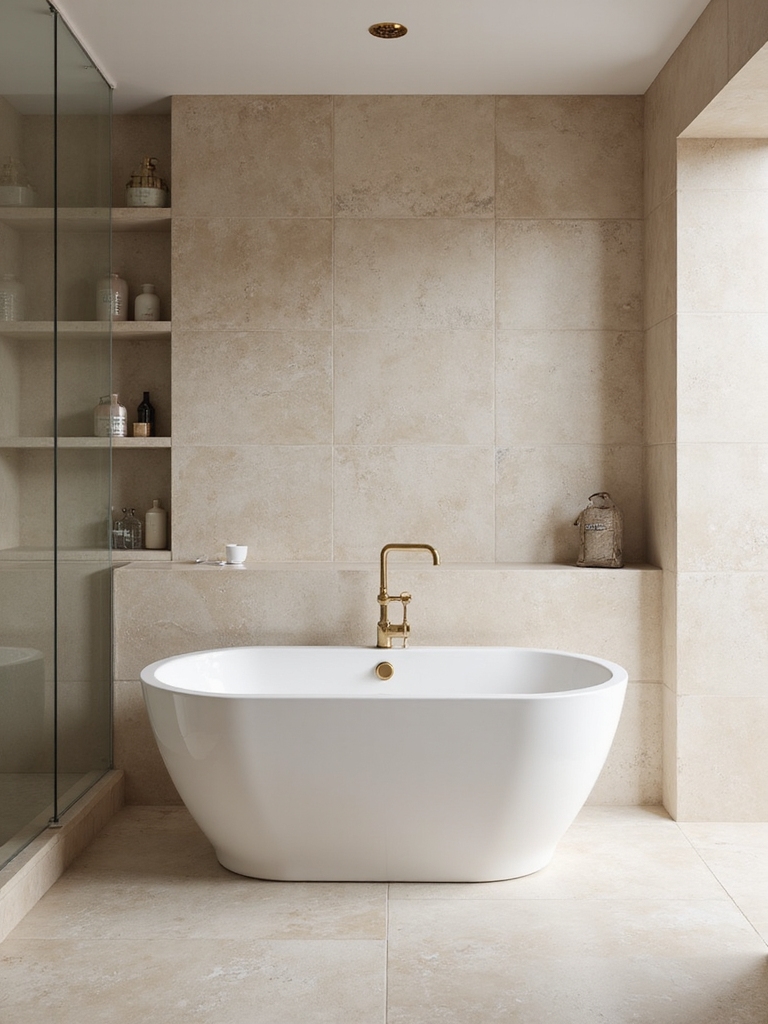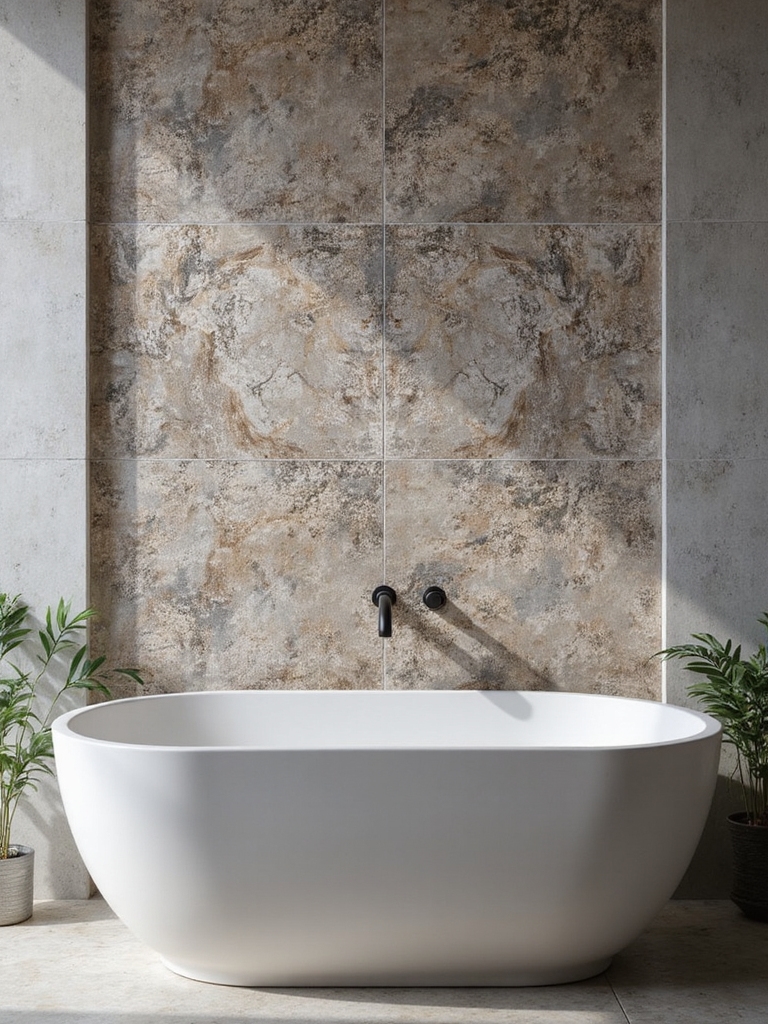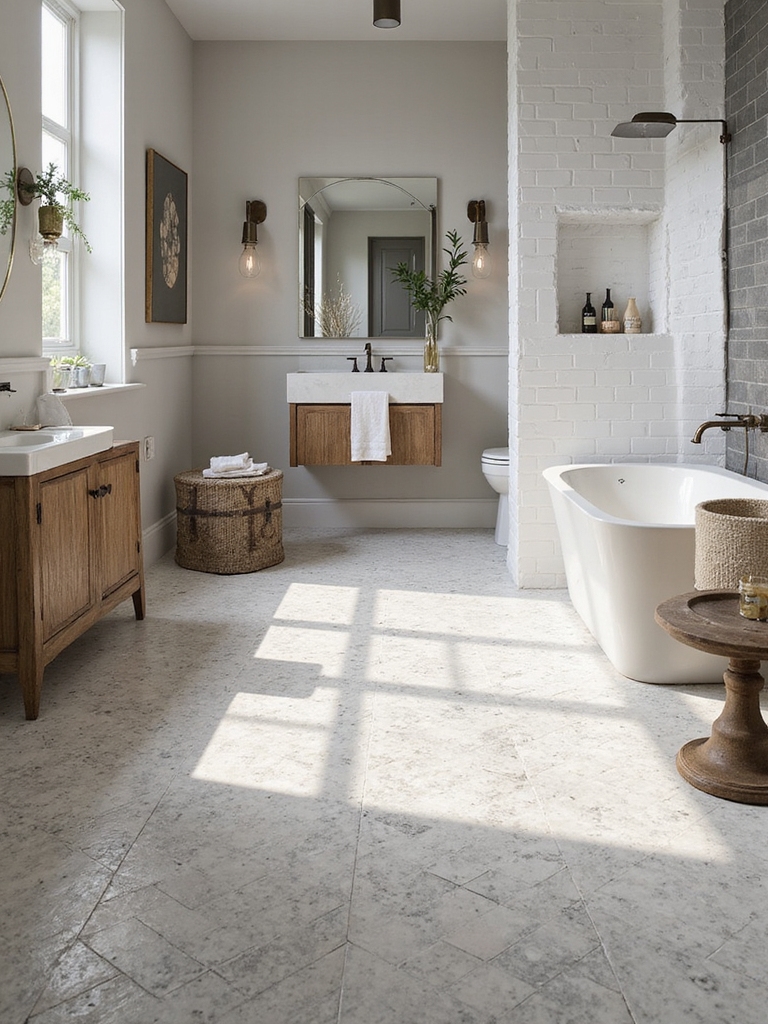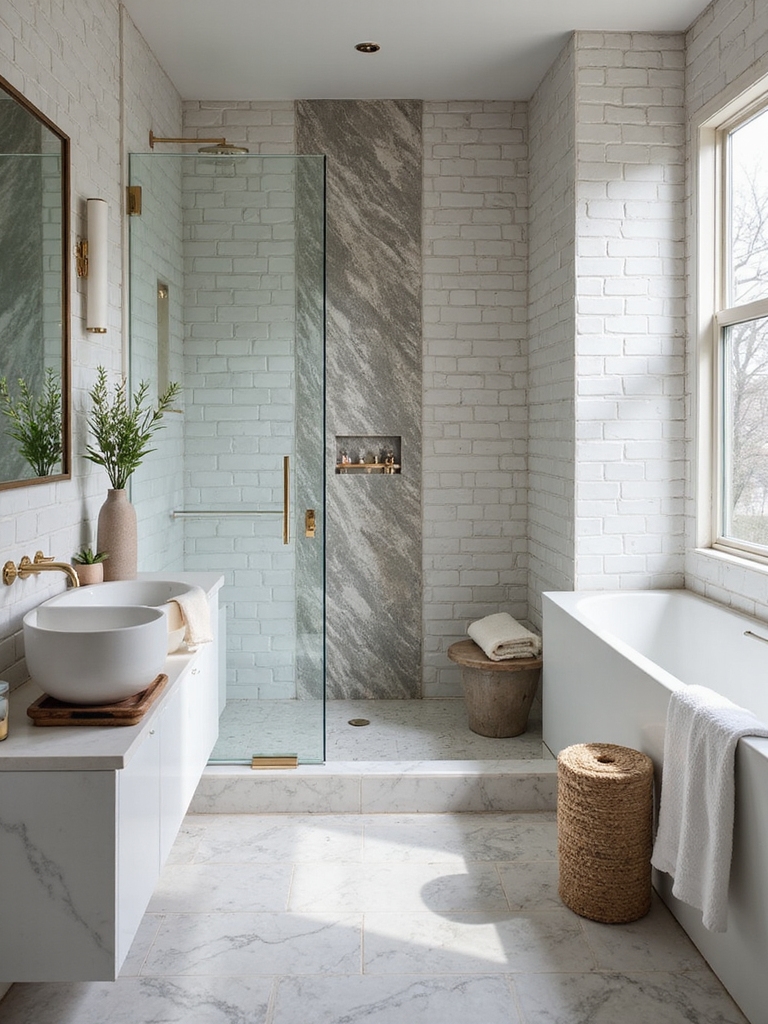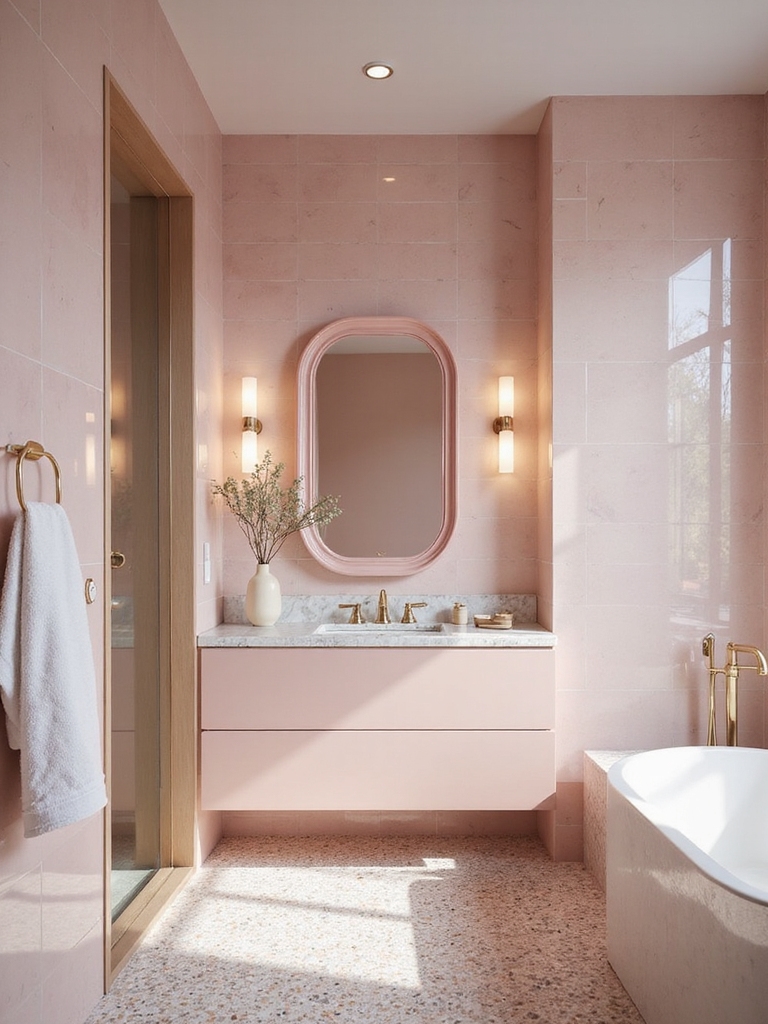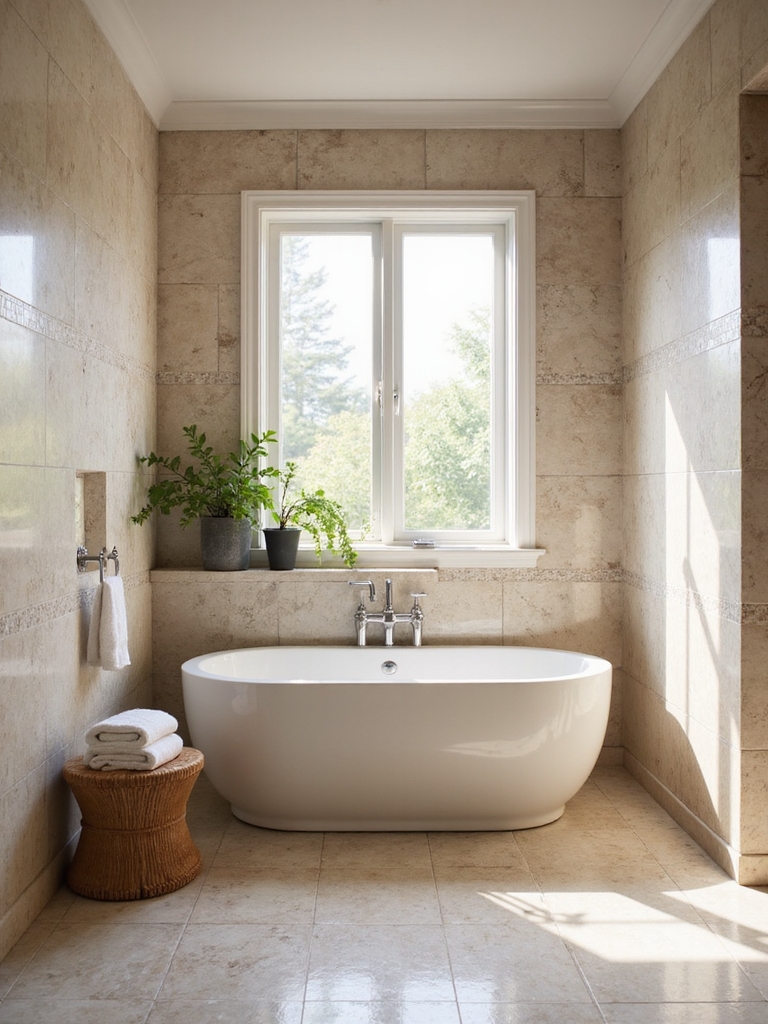

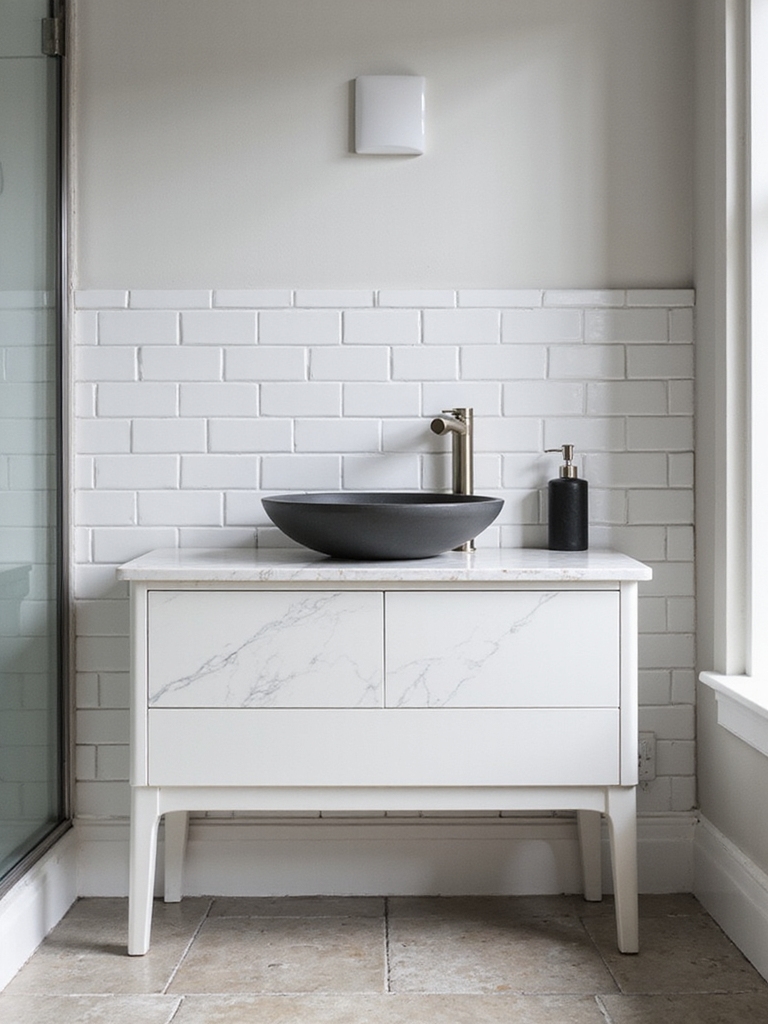
Subway tile is still ruling bathrooms because it’s clean, durable, and endlessly adaptable. I love its crisp lines, the way it plays with texture through matte versus gloss finishes, and how it pairs with brass, natural stone, or timber for warmth. Bold grout or stacked layouts punch up color and light, while dark accents add drama. It’s easy to refresh with a simple color swap or pattern mix. Want more ideas and a quick how-to? I’ve got you.
Why Subway Tile Works in Bathrooms
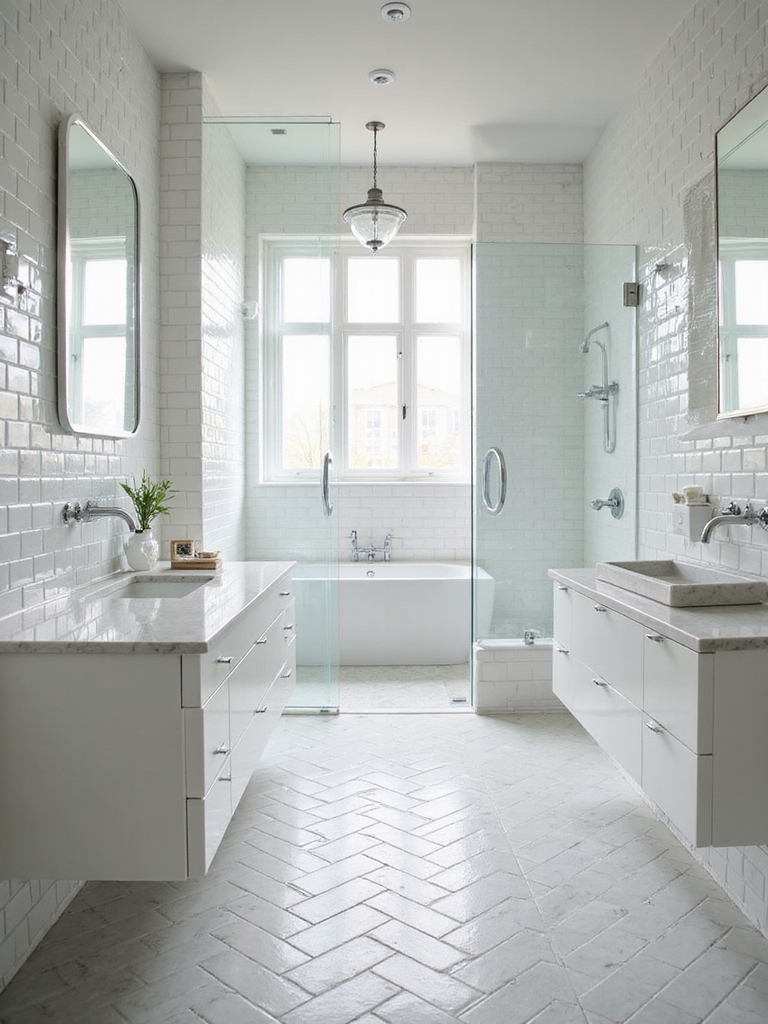
Subway tile works in bathrooms because its clean lines and timeless pattern keep moisture at bay while still feeling fresh.
I’m talking practical durability here—I trust it to handle humidity, splashes, and daily use without drama.
You’ll get easy maintenance, quick cleaning, and a versatile backdrop for any style.
It’s reliable, affordable, and endlessly adaptable for modern or classic vibes.
Plus, incorporating stylish bathroom tile designs can inspire your space and elevate the overall look.
White Metro, With Fresh Twists
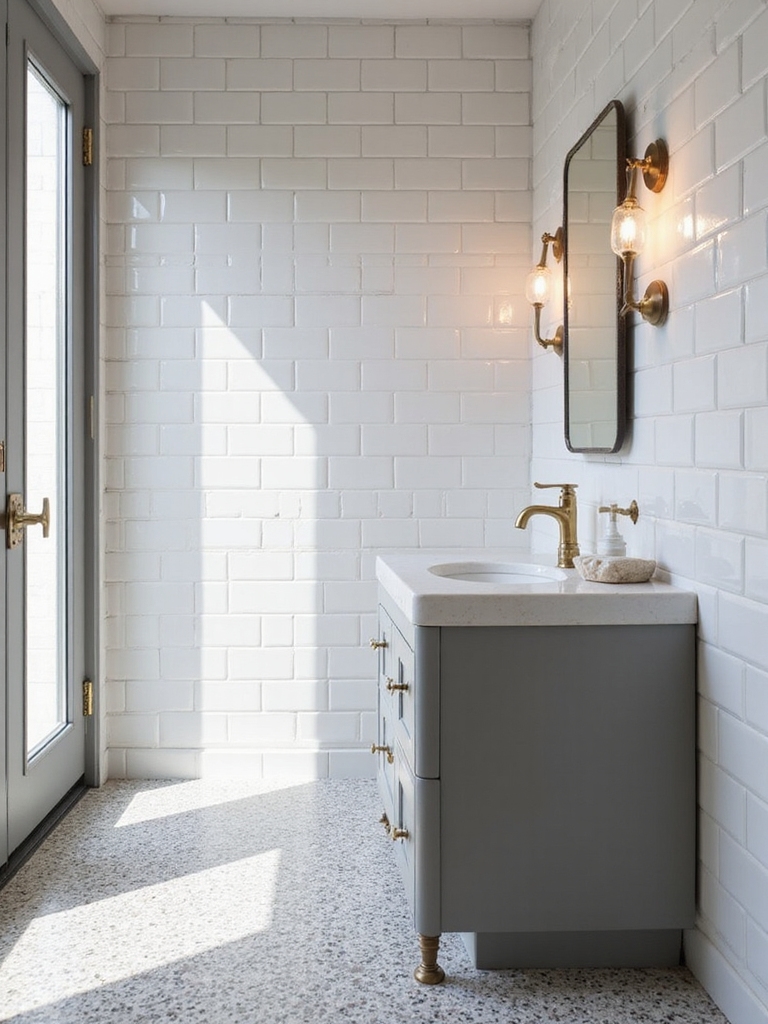
White metro tile feels crisp, but fresh twists keep it from feeling flat.
I pair it with unexpected accents—matte charcoal grout, brass fixtures, or a punch of color in towels—to spark personality without shouting.
Clean lines stay practical, while texture and pattern add depth.
You’ll gain a modern, timeless backdrop that’s easy to refresh as trends shift.
Gray bathroom tiles are also making waves, offering versatile options that complement white subway tiles perfectly for a balanced look with subtle contrast and style gray bathroom tile inspirations.
Make an Impact: Bold Grout Choices
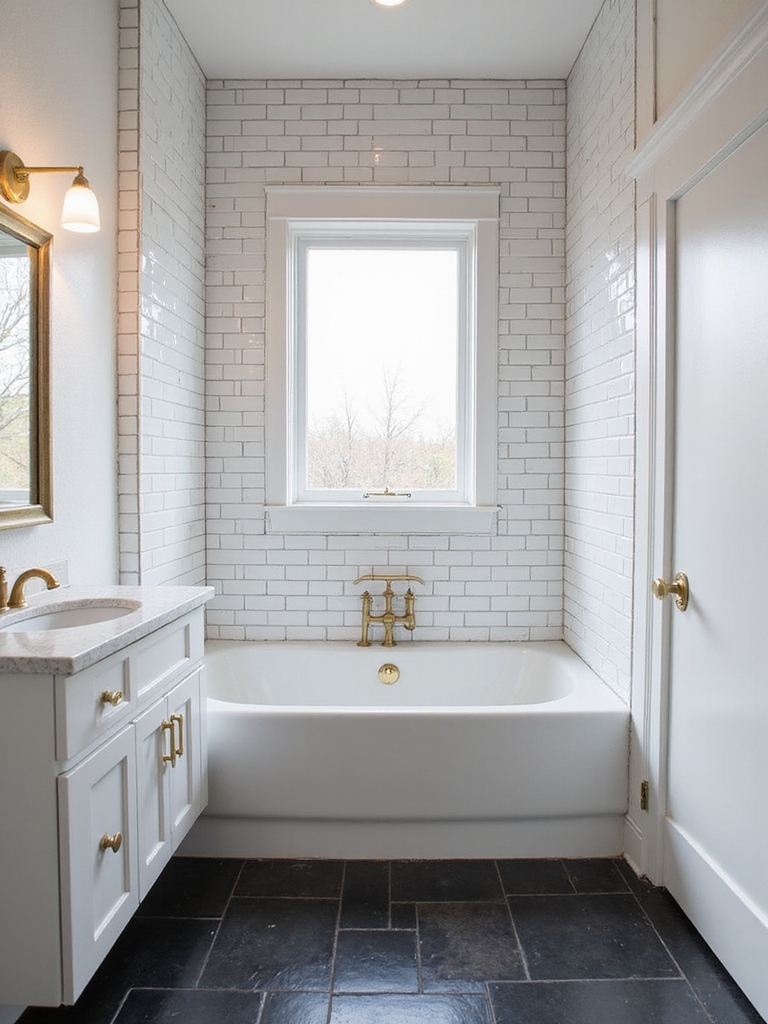
I’m all about making a bold grout statement that anchors the room and heightens color play.
We’ll explore how bold grout can create striking contrast, pick up colorful tile accents, and add tactile depth with texture tricks that read clean and deliberate.
Let’s reveal practical ideas you can mix and match to punch up any subway tile layout.
Bold Grout Impact
Bold grout can transform a bathroom subway-tile setup from standard to statement-making, and choosing a color that contrasts with your tile or matches the cabinetry instantly shifts the mood.
- I choose a bold hue for depth and personality
- Pair with neutral cabinetry to avoid busy surfaces
- Clean lines keep grout from overpowering tiles
- Matte finish reduces reflections and grime visibility
- Sealed grout sustains long-term polish
Colorful Tile Contrast
I speak plainly to you: the right grout shade transforms monotony into momentum, guiding the eye through pattern and scale.
Choose high-contrast grout for punch, or tonal grout for cohesion.
Either way, expect sharper lines, easier maintenance, and a striking, practical upgrade.
Texture and Depth Tricks
Texture and depth aren’t an afterthought in a bathroom subway setup—they’re the changeup that makes a flat tile feel three-dimensional.
I’ll guide you through bold grout moves that transform texture, with crisp contrast and practical grit.
- Embrace dark grout for drama and depth
- Try tinted grout to unify patterns
- Use two-tone grout for subtleライン separation
- Seal grout to keep color punch
- Vary grout width for tactile rhythm
White Tile With Dark Accents for Drama
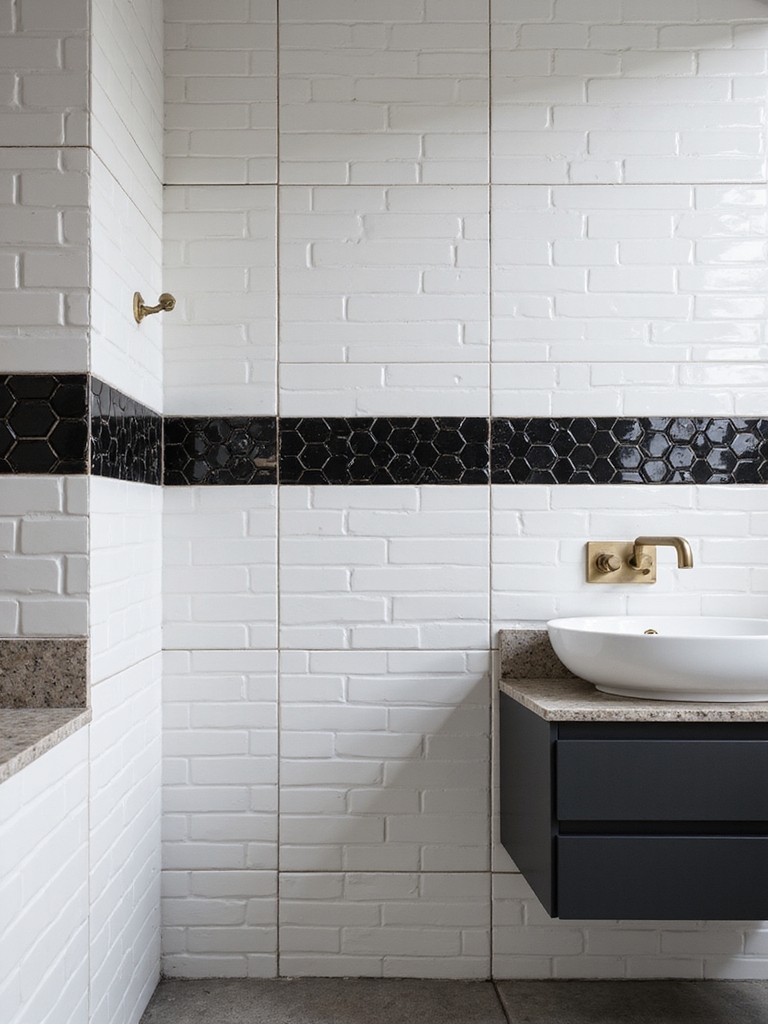
White tile feels crisp and timeless, but adding dark accents instantly elevates the drama.
I mix matte charcoal grout with bright white tiles, punchy hardware, and a moody vanity to anchor the space. The contrast sharpens lines, hides grime, and feels intentional.
Keep patterns simple, scale wisely, and let dark accents highlight architecture rather than overwhelm.
Practical, bold, polished.
Incorporating striking black and white bathroom designs can create a modern and bold aesthetic that enhances any bathroom space.
Herringbone: Elevate Small Bathrooms
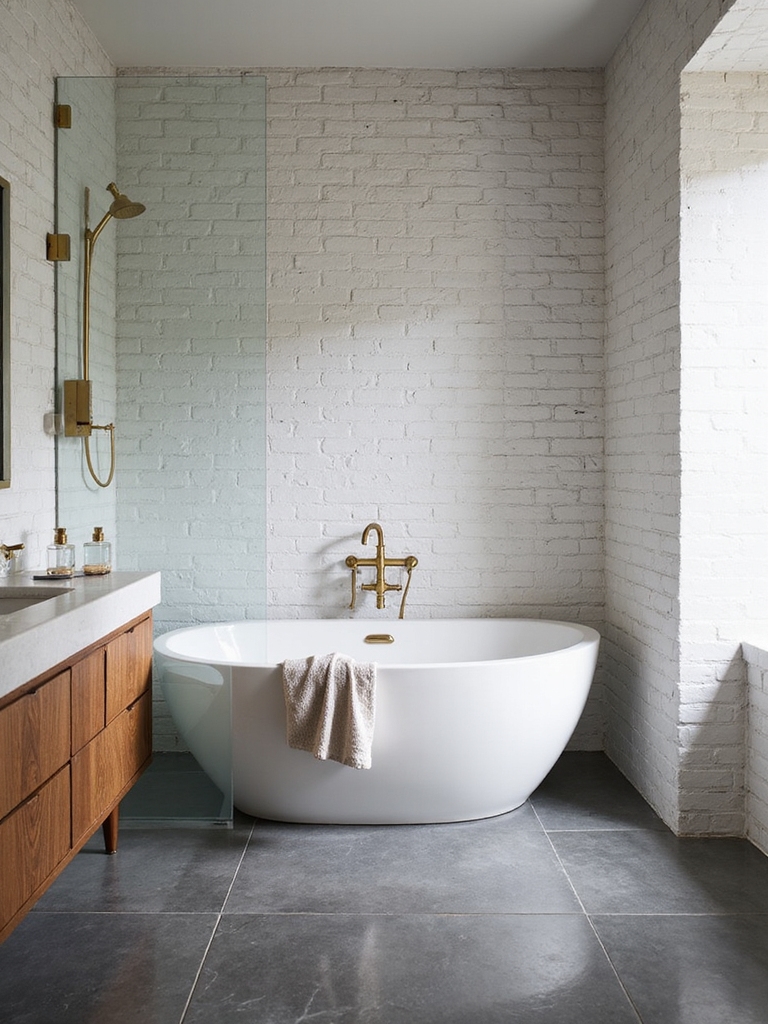
Herringbone adds motion and polish to small bathrooms without stealing space.
I guide you to use tight patterns, which feel expansive while saving wall area. Opt for a single accent wall or a narrow shower surround to maximize impact.
- Creates visual movement without bulk
- Tricks the eye into wider space
- Works with neutral or bold palettes
- Keeps installation practical and durable
- Pairs well with classic subway tiles
This timeless pattern remains a favorite among neutral aesthetics enthusiasts for its subtle yet striking effect.
Stacked vs. Brick: Choose Your Layout
Let me walk you through the essentials: stacked tiles create a clean, uniform look with predictable depth, while brick-style laying adds visual rhythm and a subtle offset.
The depth you choose changes how pronounced the grout lines feel and can shift the perceived size of your space.
I’ll map out how each layout interacts with space, rhythm, and the overall vibe so you can pick with confidence.
For a truly cohesive design, consider how your tile choices harmonize between the walls and floors to create a balanced and inviting bathroom atmosphere with harmonious tile ideas.
Stacked Tile Depths
Stacked and brick layouts offer two distinct vibes for bathroom subway tile, and choosing between them shapes depth, rhythm, and ease of installation.
I’ll share how stacked tiles read compact yet substantial, adding focus and shadow, while brick adds rhythm and softness.
- Adds perceived depth without grout chaos
- Keeps lines clean and modern
- Maximizes light reflection
- Simplifies maintenance
- Adapts to small spaces gracefully
Brick-Style Visual Rhythm
Brick-style layout brings a steady, musical rhythm to a bathroom, contrasting with stacked tiles by offsetting each row like a brick wall.
I share how this approach creates visual motion without chaos, guiding your eye along the line.
You gain depth, texture, and a crisp, polished look that remains practical—easy maintenance, timeless appeal, and confident design choices you can trust.
Layout Impact On Space
When deciding between stacked or brick-style layouts, the impact on space is immediate: stacked tiles read as taller and more uniform, while brick offsets create subtle movement that can make a small room feel wider or longer depending on orientation.
- Visual height vs. rhythm
- Perceived width changes with offset
- Door and fixture alignment implications
- Grout line prominence
- Maintenance and pattern consistency
Colorful Subway Tiles: Beyond White
Ever thought color could transform a bathroom like subway tiles do? I’ve chased bold intensity beyond white—think teal accents, sunny yellows, or moss greens—that keep edges sharp and moods fresh.
Colored bricks spark personality without shouting, easing resale and daily joy. I mix matte backgrounds with glossy accents, balancing contrast and practicality.
Color, used thoughtfully, elevates subway reliability into standout style. For more ideas on combining functionality and style, explore stylish bathroom tile inspiration from Floor and Decor.
Texture and Pattern: Pairing Subway Tile With Surfaces
I’m curious how texture and pattern can elevate subway tile when paired with different surfaces, from matte plaster to glossy countertops.
I’ll explore Texture With Surfaces, Patterned Tile Pairings, and Material Contrast Ideas to show practical combos that read clean or bold.
Let’s think through how a tactile wall or ribbed vanity front changes the room’s rhythm without overdoing it.
Texture With Surfaces
Texture and surface pairing isn’t just about color; it’s a chance to add depth with contrast.
I choose textures to ground subway tiles, balancing matte with gloss and natural with engineered surfaces. You’ll feel immediate contrast, and the room reads intentional.
- Bold contrast between tile and countertop
- Subtle texture underfoot with large-format slabs
- Soft sheen on accessories
- Unifying grout tone
- Durable, wipeable finishes
Patterned Tile Pairings
Patterned tile adds personality without overpowering the room, so pair subway tile with patterns that echo your overall vibe rather than compete with it.
I mix simple subway with calm motifs or a bold accent print, letting textures do the talking.
Keep scale balanced, repeat colors, and choose clean grout.
Practical, bold, polished—design that survives daily life and still feels intentional.
Material Contrast Ideas
A natural next step is pairing subway tile with other surfaces to heighten texture and depth.
I guide you toward contrast that feels intentional, not busy. Build polish with tactile elements that read as deliberate choices.
- Mix matte and gloss finishes for dimensional dialogue
- Introduce natural stone for warmth and contrast
- Use timber accents to soften the cool tile
- Try ribbed or textural surfaces as splash elements
- Select metal fixtures for a clean, modern edge
Moody Subway Rooms: Mocha and Charcoal
Moody subway rooms in mocha and charcoal feel grounded and sophisticated, and I’ve seen how this combo can transform a small bathroom into a retreat.
I pair deep mocha tiles with cool charcoal accents to create contrast that remains calm, not gimmicky.
The look reads polished, practical, and timeless, proving bold color blocks still serve everyday, private spaces beautifully.
Incorporating elements of modern luxury bathroom ideas can elevate the overall ambiance and functionality of the space.
Niches and Nooks: Functional Subway Details
Niches and nooks aren’t afterthoughts in a subway-tile bathroom; they’re essential, elevating both function and style.
I map savings in space with smart recesses, tidy corners, and built-ins that stay clean and accessible.
- Built-in shelves for daily odds and ends
- Recessed shampoo niche at shower height
- Corner ledge for soap and decor
- Magnetic or slim hooks for towels
- Slim recessed mirror storage for essentials
These clever DIY storage solutions can transform even the tiniest spaces into organized, stylish retreats with ease, making them perfect storage ideas for small bathrooms.
Subway Tile on Any Budget: Affordable Ideas
If you’re working with a budget, subway tile can still look sharp and polished, not bargain-bin.
I’ll show practical, affordable routes: mix white gloss with matte gray accents, staggered runs for architectural impact, and choose smaller sheets to reduce waste.
Reuse leftover pieces for a border, trim, or art.
Prioritize clean grout lines and tight installation for a premium feel.
Consider exploring budget-friendly bathroom tile inspirations to maximize style without overspending.
Install Subway Tile: Pro-Style Tips
I’ll walk you through solid pro tips on layout tricks, grout color choices, and precise tooling and spacing.
You’ll see how a clean layout, the right grout shade, and careful spacers tank up a look that lasts.
Let’s lock in the basics so your installation reads sharp and professional from day one.
Tile Layout Tricks
When you install subway tile, layout tricks can save time and boost precision from the first course onward. I trust a few practical methods to keep lines true and joints tight.
- Snap a chalk guide for straight starts
- Dry-fit rows before adhesive
- Use spacers and a level consistently
- Center around a focal wall
- Mark every cut for quick revisits
Grout Color Choices
Choosing the right grout color can make or break the look of subway tile, and it’s one of the most practical decisions you’ll make during installation.
I’ll guide you to balance contrast and maintenance, suggesting warm gray to crisp white for timelessness or bold charcoal for drama.
Pick a shade that complements your tile, then test grout samples before committing.
Tooling And Spacing
- Measure twice, cut once
- Use the right notch trowel
- Keep consistent grout gaps
- Verify plumb and level
- Dry-fit before setting
Cleaning and Maintenance for Longevity
Maintaining clean, lasting bathroom subway tile starts with a simple routine: quick daily wipe-downs and a weekly scrub that targets grout.
I share practical tips you can trust: use a mild cleaner, avoid abrasive scrubbers, and seal grout every year.
Tackle mildew early, ventilate after showers, and schedule inspections.
Longevity follows consistency, not harsh chemicals or guesswork.
Incorporating smart storage solutions can also help keep your bathroom organized and prevent clutter around tiled areas, making cleaning easier and more effective.
Mixing Subway Tiles With Other Shapes
I guide you to pair them with hex, herringbone, or penny shapes, creating rhythm without chaos.
Here are practical tips:
- Maintain grout consistency for cohesion
- Vary tile sizes strategically
- Use border accents sparingly
- Align patterns with fixtures
- Test light reflection before committing
Lighting That Flatters Subway Tile
Lighting can lift subway tile from flat to flattering, shaping the mood and highlighting texture without stealing attention from the tile’s clean lines.
I’ll keep lighting practical: under-cabinet LEDs for glow without glare, matte fixtures to complement glossy grout, and warm-kelp tones to mimic sunset warmth.
Aim for even reach, layered layers, and a confident, budget-smart vibe you can trust.
Real-World Subway Makeovers: Reader Inspo
Where real-world subway makeovers prove the magic isn’t in drama but in details: readers show how practical tweaks—updated grout, bold color pops, and smart layout—transform subway tile from ordinary to standout.
- Real homes, real tweaks, tangible results
- Grout choice that defines contrast and cleanliness
- Color accents that honor tile, not overwhelm it
- Layout tweaks for flow and ease
- Budget-friendly upgrades, big impact
Conclusion
I’m excited you stuck with me, because subway tile isn’t just a trend—it’s a toolkit. I envision clean lines, crisp edges, and timeless charm whenever I choose white, bold grout, or a herringbone twist. I’ll mix shapes, play with lighting, and keep maintenance simple, because practicality pairs with polish. I’ll sweat the details, celebrate the swaps, and share the glow: a bathroom that feels brighter, bigger, and beautifully yours, every morning and every night.