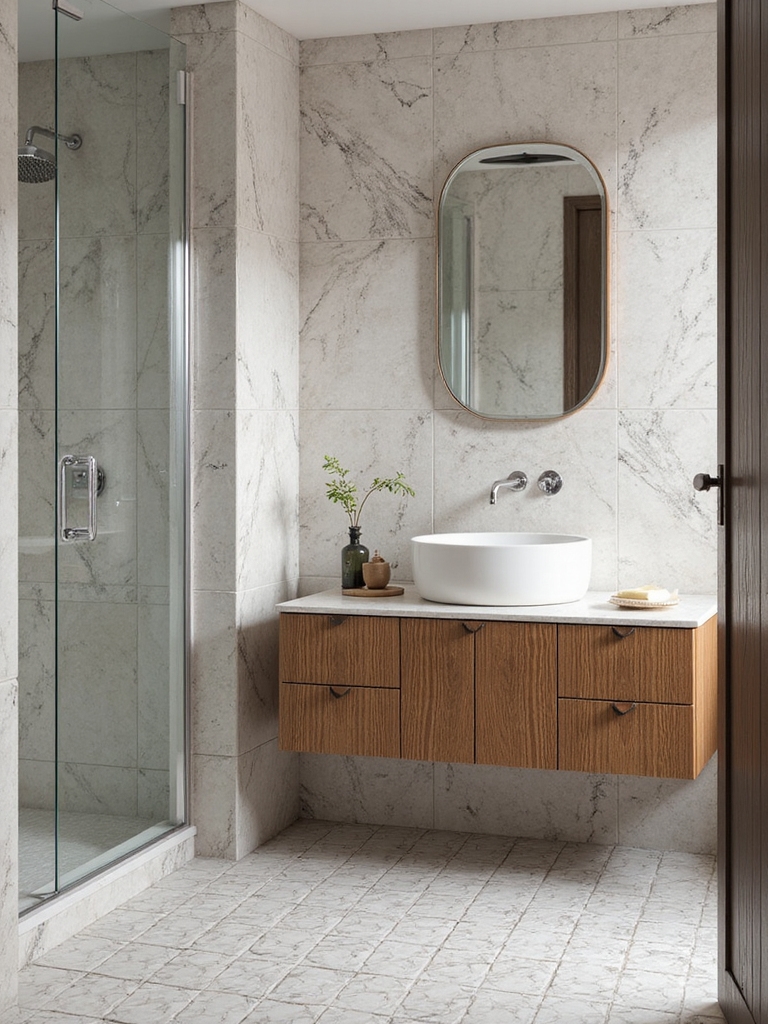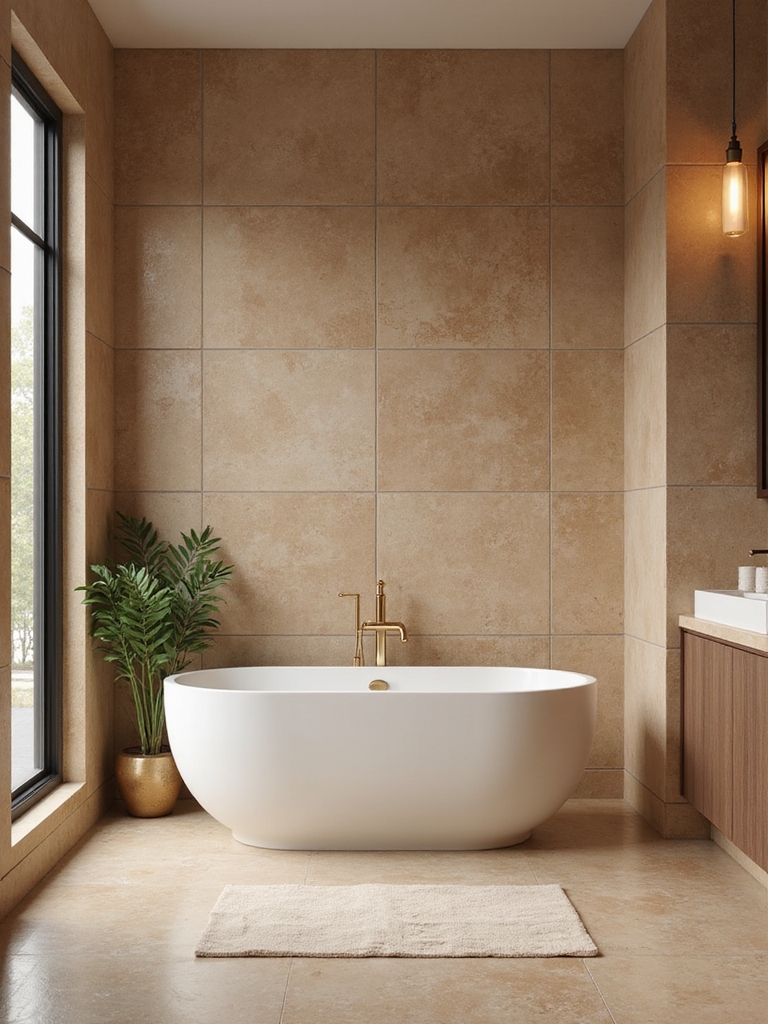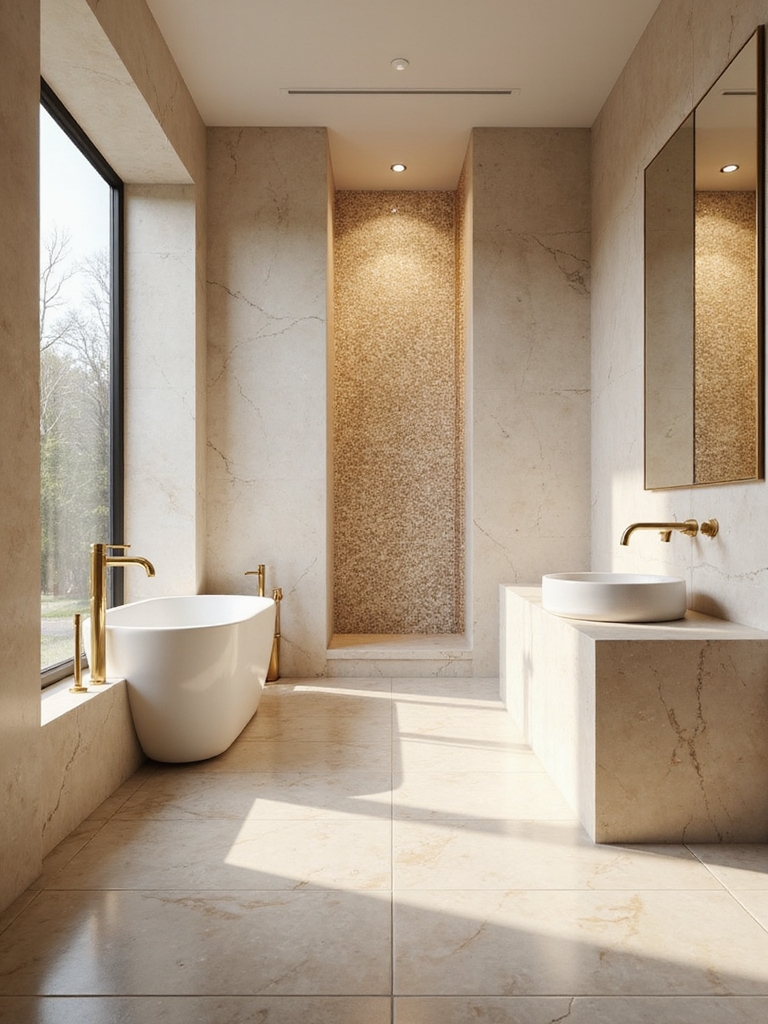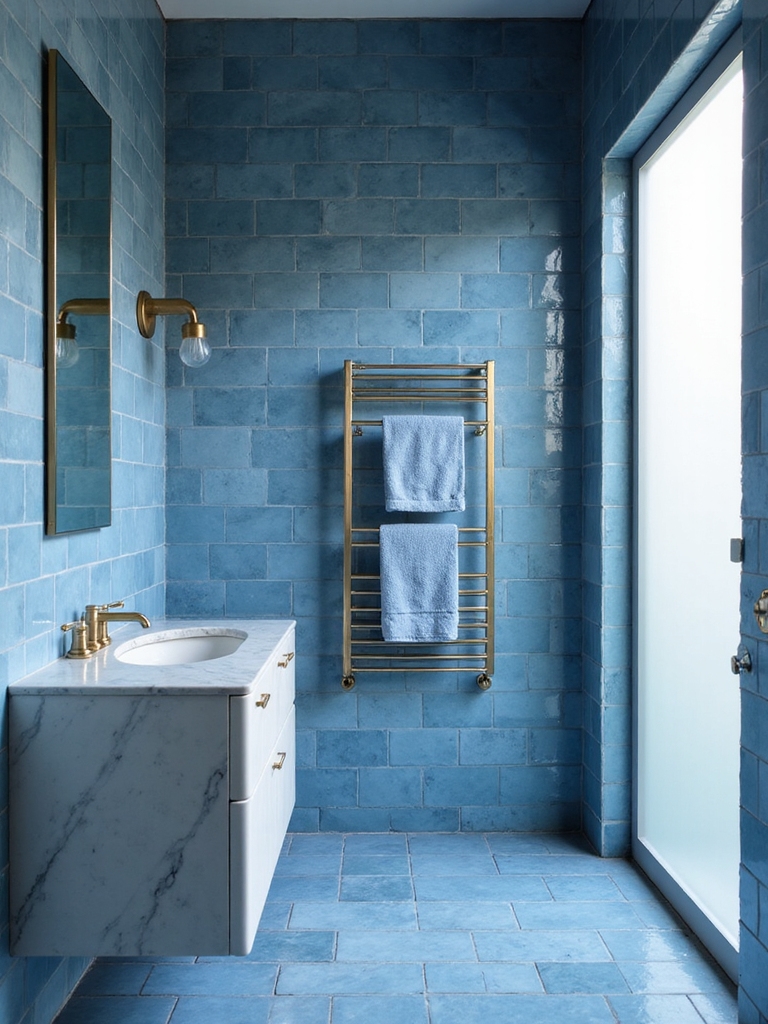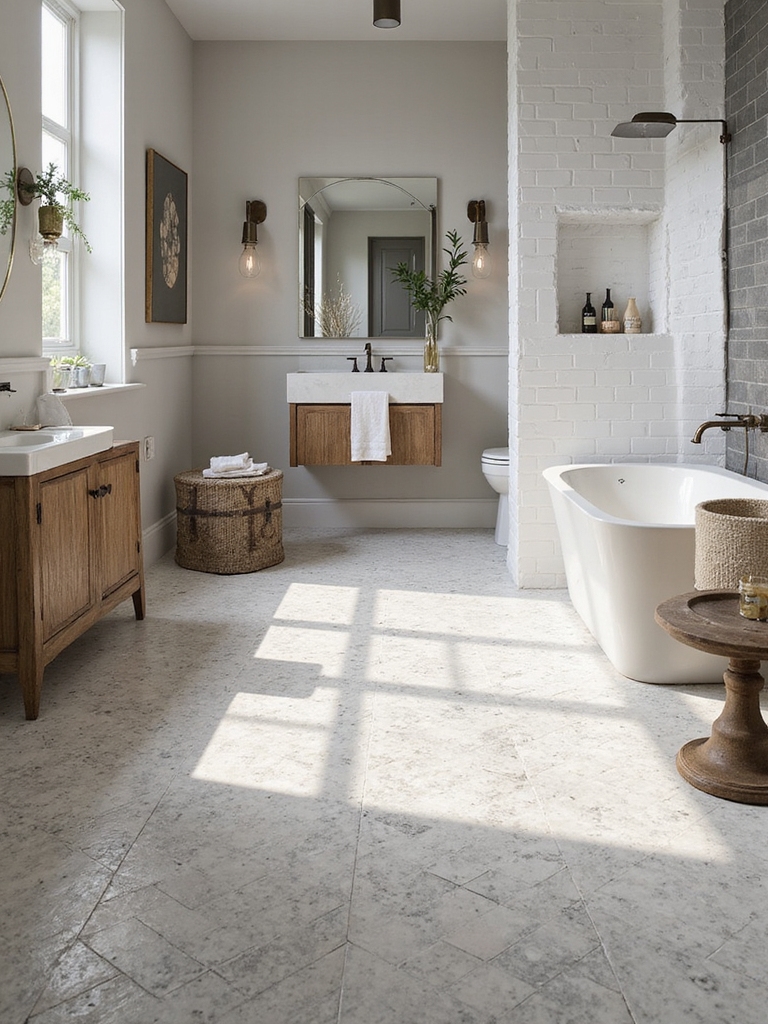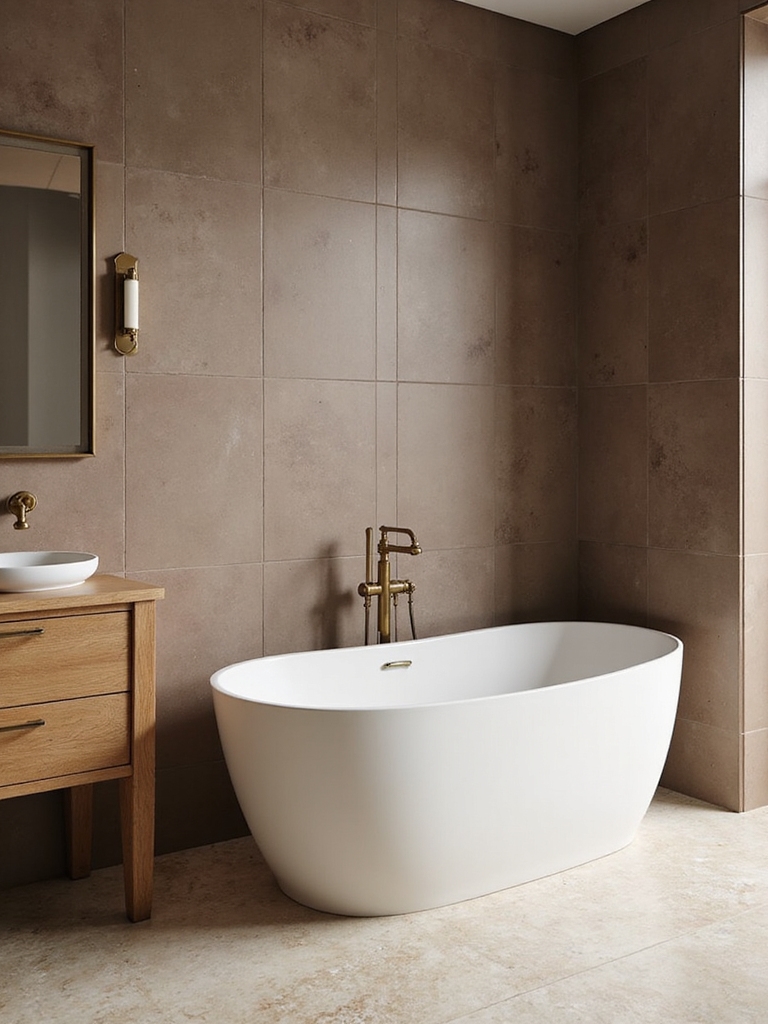
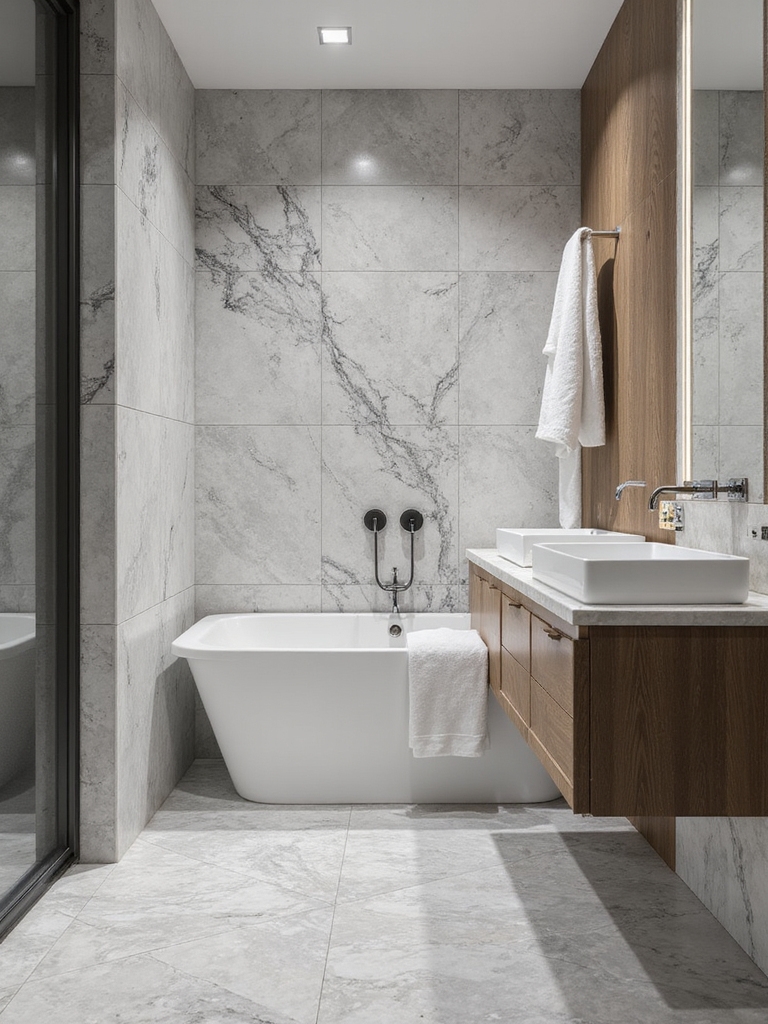
I’ll show you how 17 small bathroom tile ideas can open up space by starting with large tiles for a seamless feel, then leaning into pale tones that brighten the room. I favor rectified edges for clean grout lines, diagonal layouts for depth, and matching wall-floor tones to create visual continuity. Choose durable, non-slip tiles and smart grout colors. Maintain the look with simple sealants and routine care. Keep going and you’ll uncover more tips to transform your space.
Why Tile Size, Color, and Pattern Matter for Small Baths
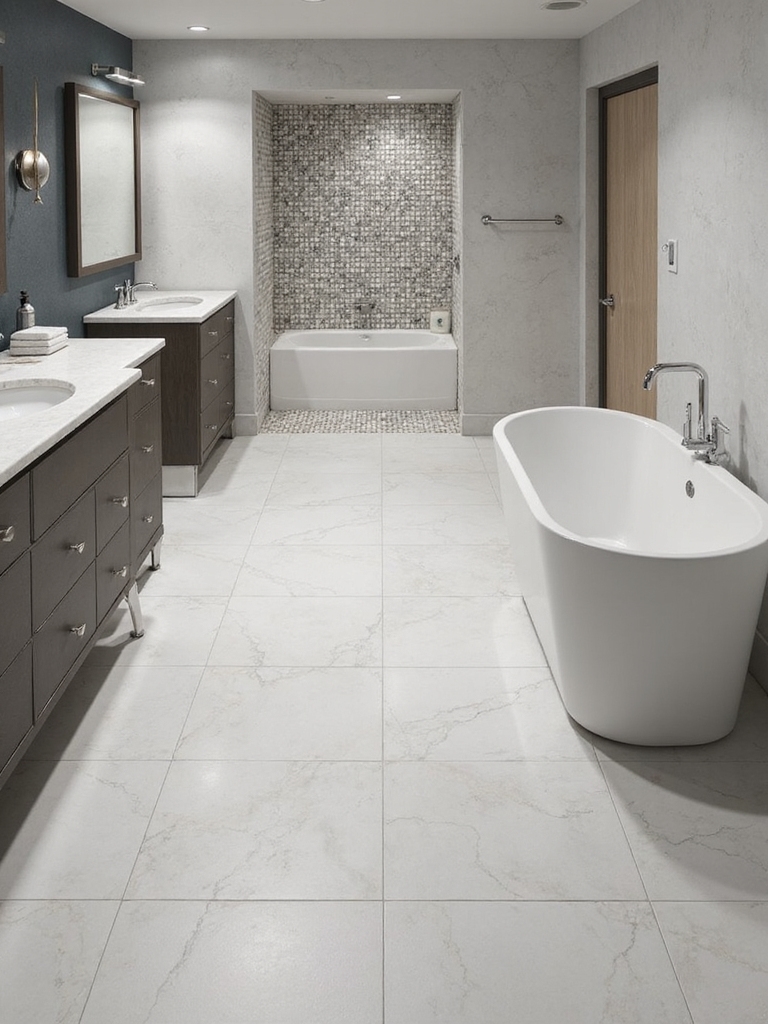
Choosing the right tile size, color, and pattern can make a small bathroom feel brighter, bigger, and more cohesive.
I’ve learned that scale matters: small tiles can create rhythm without chaos, while large tiles minimize joints.
Light hues reflect, dark accents define paths, and patterns guide the eye.
Practical choices save time, finish, and stress, elevating everyday moments.
Incorporating modern bathroom tile designs can further inspire creative solutions to maximize your space.
Start With Large Tiles for a Seamless, Expanded Feel
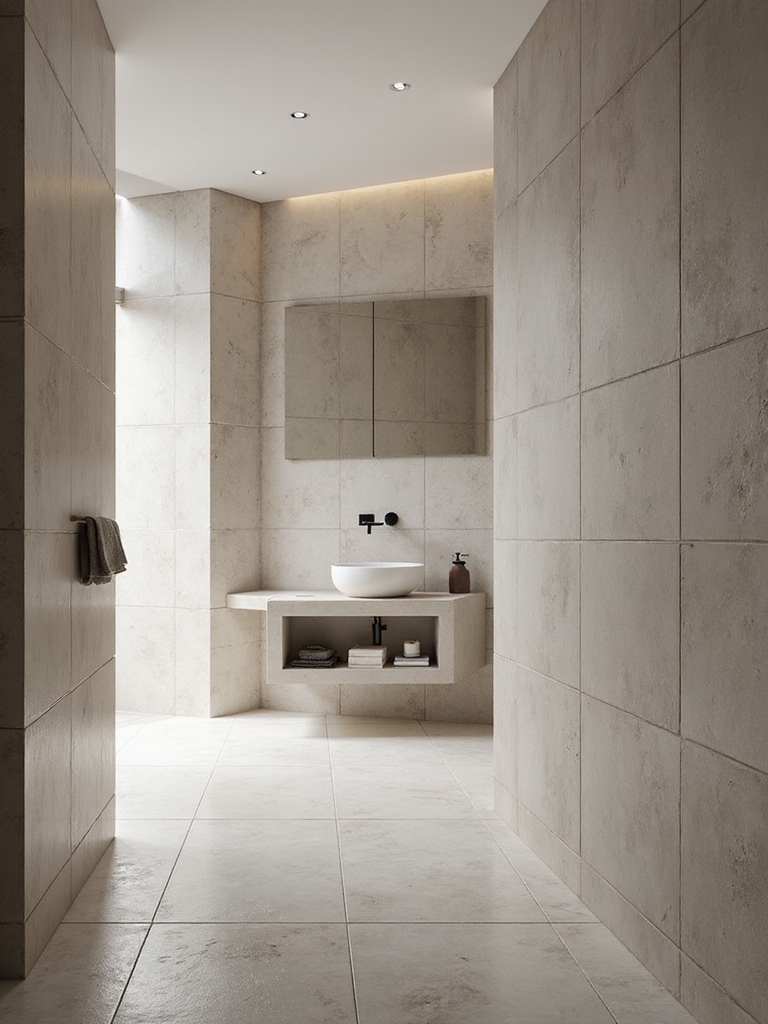
I start with large tiles to create a cohesive look that visually expands the room.
When the tiles run uninterrupted across walls and floors, the space feels calmer and more open.
I’ll show you how seamless, coordinated tile work can elevate a small bath with intentional choices.
Incorporating stylish bathroom tile inspirations can add both functionality and aesthetic appeal to your design.
Large-Tile Cohesion
Large tiles immediately set a spacious tone, so start with them to create a seamless, expanded feel that makes your small bathroom look bigger.
I’m sharing practical cohesion tips you can trust:
- Match grout to tile for unity
- Use consistent patterns across walls and floor
- Choose large-format with minimal seams
- Plan layout before installation for fluidity
Seamless Room Illusion
I choose oversized tiles to reduce grout interruptions, guiding light and color across walls and floor.
With careful layout, I avoid breaks at doorways and fixtures, creating a calm, cohesive bathroom that feels larger, brighter, and more intentional.
Choose Pale Tiles to Maximize Light and Space
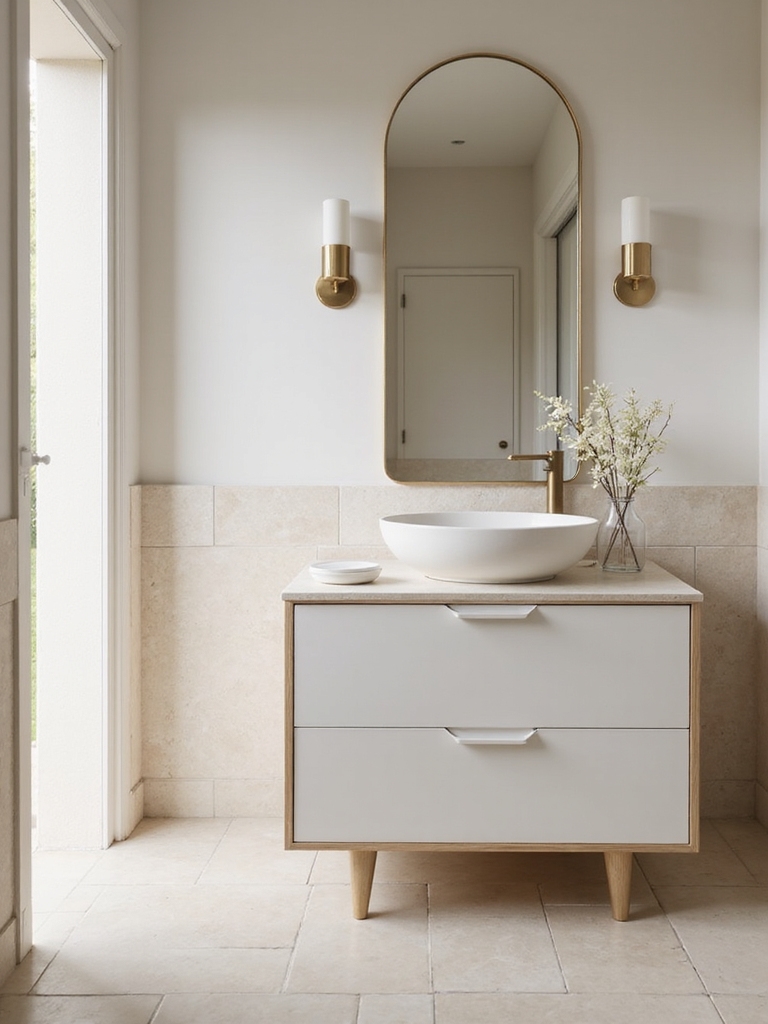
Choosing pale tiles instantly brightens a small bathroom and makes the space feel airier, so look for light-hued options like soft whites, warm beiges, or cool grays.
- Reflective surfaces widen perception without glare
- Large-format tiles minimize grout lines
- Subtle patterns add depth without heaviness
- Matte finishes keep a calm, spa-like vibe
Timeless bathroom tile inspirations often include neutral tones, which create a versatile and enduring neutral aesthetic that complements any style.
Pick Rectified Edges for Cleaner Grout Lines
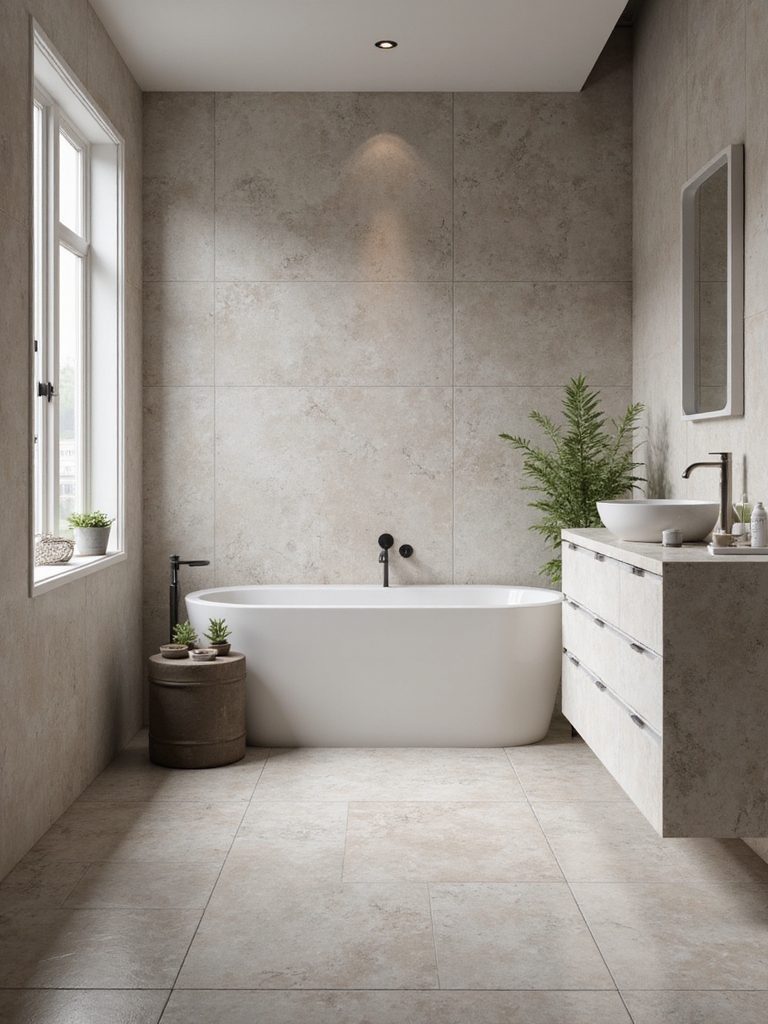
Rectified edge tiles give you cleaner, more precise grout lines, which makes a small bathroom feel more studied and expansive.
I choose rectified tiles for tight layouts and minimal grout, so the floor reads continuous and calm. This helps lighting bounce evenly and space appear larger.
I avoid gaps and irregular cuts, prioritizing professional, lasting results you can admire daily.
Using harmonious tile combinations for both floors and walls can enhance the overall flow and make the space feel even more open and inviting, creating a cohesive design that maximizes bathroom floor and wall tile ideas.
Use Diagonal Tile Layouts to Create Depth
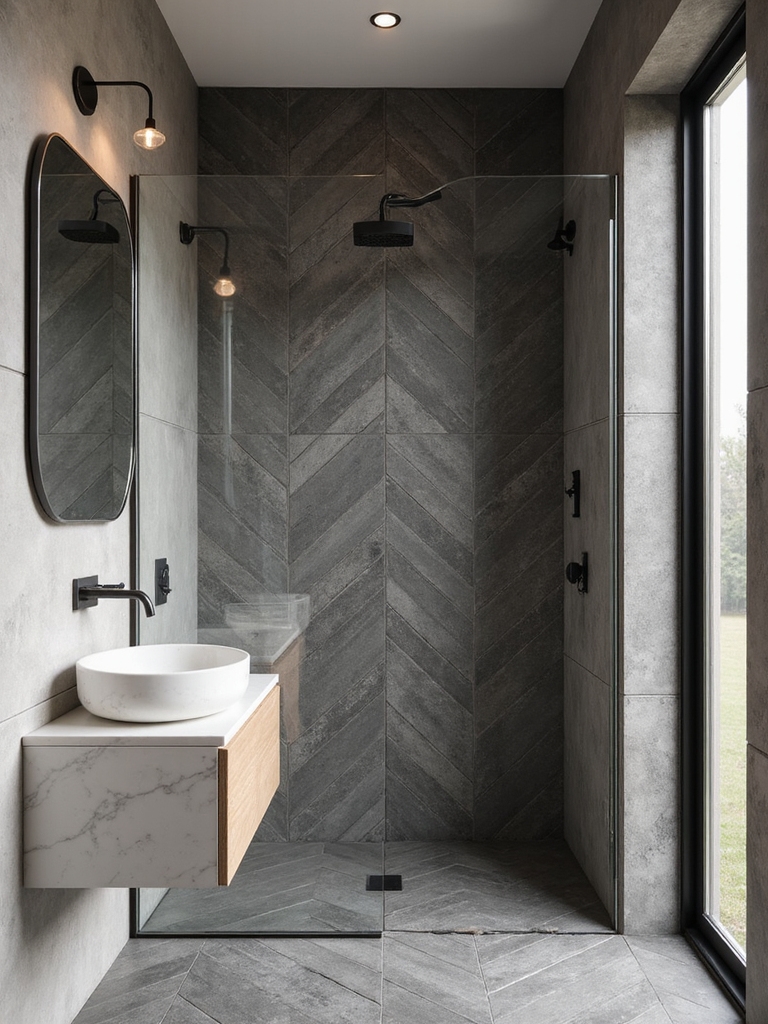
Diagonal tile layouts add depth by introducing subtle angles that draw the eye and gently shift the room’s scale.
I’ll show how space-taking angles can visually expand a small bath by guiding movement and highlighting key features.
Together, we’ll explore how diagonal patterns boost perceived room expansion, creating a more open, airy feel.
Incorporating stylish patterns and textures can further elevate your bathroom floor tile design, making the space both functional and visually appealing with floor tile ideas.
Diagonal Tile Depth
Diagonal tile layouts aren’t just about looks; they add real depth to a small bathroom floor by guiding the eye and creating subtle shadows.
I’ll show you practical ideas that enhance depth without clutter, staying purposeful and doable.
- Choose a darker grout for contrast and influence
- Run diagonals across the entry for perceived width
- Pair large tiles with thin profiles to sharpen depth
- Use matte finishes to soften reflections and depth cues
Space-Enhancing Angles
We can turn the eye directly to the floor by embracing space-enhancing angles with diagonal layouts.
I choose diagonal tile patterns to add depth, guiding movement across a small bathroom with intention. The result feels broader and more cohesive, not cluttered.
Practical decisions—consistent grout lines, a centered entry, and subtle color contrast—deliver a polished, aspirational finish you can replicate confidently.
Perceived Room Expansion
Using diagonal tile layouts instantly adds depth to a small bathroom, guiding the eye toward the far wall and creating a sense of extended space.
I’ll share practical ideas to maximize perceived room through pattern, orientation, and subtle contrast that feel premium, not gimmicky.
- Direct the eye with bold diagonals to lengthen the room
- Choose lighter grout for seamless flow
- Pair diagonals with solid walls for balance
- Use a focal diagonal border sparingly
Add Visual Interest With a Herringbone Tile Pattern
Herringbone tiles instantly add visual interest to a small bathroom by creating dynamic angles that lead the eye across the floor.
I choose this pattern to add movement without overwhelming scale, pairing it with a neutral palette for balance.
It feels refined yet practical, guiding footsteps with intention.
With careful layout, the space reads taller and more deliberate, elevating your everyday routine.
Incorporating these tiles into shower and tub surrounds can further enhance the cohesive look and feel of your bathroom space.
Opt for 1-Color Grout for a Quiet, Cohesive Floor
Choosing a single grout color can quietly unify small tiles and make the floor feel steadier.
I’d suggest a grout shade close to the tile to achieve subtle tile continuity without drawing attention to gaps or seams.
This simple move helps your space read calm, cohesive, and more spacious.
Additionally, incorporating clever storage solutions can maximize functionality without compromising the open feel created by the cohesive floor design.
Quiet, Cohesive Floor
Opt for a single-color grout to create a quiet, cohesive bathroom floor that lets your tile pattern shine.
I’ve learned that consistency calms the eye and expands space. Here’s how I keep it refined:
- Choose a grout color that matches the dominant tile hue
- Avoid bold contrast to preserve flow
- Use large-format tiles to minimize joints
- Seal grout for lasting smoothness
Subtle Tile Continuity
I recommend testing grout samples in daylight, then committing. The result is cohesive, serene, and effortlessly refined for everyday living.
Prioritize Light-Reflective Surfaces to Brighten the Room
To brighten a small bathroom, prioritize light-reflective surfaces that bounce daylight around the room.
I’ll guide you toward clever choices that visually widen the space, without sacrificing style or practicality. Let brightness work for you.
- Choose glossy tiles and mirrors for maximum bounce
- Go pale with walls, ceilings, and cabinetry
- Use glass shower enclosures to reduce opacity
- Pick light-reflecting metallic fixtures and hardware
Incorporating modern bathroom decor ideas can enhance both the functionality and aesthetic appeal of your space.
Diagonal Cuts With Narrow Grout to Lengthen the Space
Diagonal cuts can make a small bathroom feel longer, especially when paired with narrow grout lines that minimize visual breaks.
I choose diagonal layouts to draw the eye lengthwise, then keep grout tight and consistent to preserve that illusion.
I’ll test patterns on sample boards, confirming alignment, and select a neutral, matte tile that won’t compete with fixtures as space opens up.
Incorporating trendy bathroom tile floor ideas can further enhance the style and functionality of the space.
Keep Patterns Subtle to Avoid Clutter
I keep patterns subtle to prevent clutter, using small tweaks that quietly elevate the space.
I’ll balance gentle tile layouts with a restrained color palette to maintain a calm, cohesive look.
Together, we can create a bathroom that feels polished and aspirational without overwhelming the room.
Incorporating elegant grey and white tones enhances the modern and minimal feel, making the space appear more open and inviting.
Subtle Pattern Tweaks
I guide you to gentle contrasts, tiny repeats, and restrained scale for impact.
- Use a whisper-thin grout to soften edges
- Alternate tile shades within a narrow band
- Limit motif density near fixtures
- Pair subtle patterns with solid, cool tones
Gentle Tile Layouts
I choose simple alignments, like grid or staggered runs, that draw the eye without shouting. You’ll notice cleaner sightlines, easier cleaning, and a calmer vibe.
I emphasize balanced margins, consistent grout, and a restrained accent to maintain openness while still delivering tactile, rewarding detail.
Quiet Color Coordination
- Stick to two complementary tones
- Use near‑matching grout for seamless flow
- Introduce texture through tiles, not pattern
- Balance matte and gloss finishes for depth
Mix Tile Textures for Depth (Ceramic, Stone, Glass)
Mixing tile textures adds instant depth to a small bathroom, especially when you combine ceramic, stone, and glass thoughtfully.
I mix finishes to catch light and create subtle contrast without clutter. Use a dominant ceramic base, add a stone accent, and cap with glass for shimmer.
This combo feels refined, durable, and visually expansive, inviting calm and purposeful design every day.
Budget-Smart Tile Solutions for Small Baths
If you’re optimizing a small bath on a tight budget, smart tile choices can deliver big gains in style and function.
I’ll share practical, budget-friendly options that feel premium without the price tag. Focus on proportion, neutral backsplashes, and durable finishes to extend life and look.
- Large format tiles to reduce grout
- Porcelain with matte finish for versatility
- Subway patterns for timeless appeal
- Recycled or locally sourced options for value
Smart Layouts: Off-Center Drains and Perimeter Tiling
Smart layouts can transform a small bathroom, and off-center drains paired with perimeter tiling maximize both space and flow.
I design with purpose, placing drains where they hide moisture while keeping fixtures uncluttered.
Perimeter tiling creates a continuous edge, guiding the eye and widening the room.
You’ll enjoy easier cleaning, better drainage, and a calmer, more expansive feel every day.
Create Visual Continuity With Matching Wall and Floor Tones
Creating visual continuity between walls and floors starts with a cohesive color story. I guide you to choose tones that echo each other, making a small bath feel larger. Use shared neutrals, soft whites, or warm beiges to unify space.
- Match wall and floor hues for a seamless backdrop
- Introduce a subtle accent with texture, not color
- Use varying lightness within the same family
- Keep finishes consistent for cohesion
Choose Durable, Non-Slip Tiles for Easy Cleanability
Durability and safety come first when choosing bathroom floor tiles, especially in a small space.
I look for slip resistance, easy maintenance, and long wear, then pick textures or finishes that hide water marks without sacrificing grip.
I’ll recommend simple cleansing routines and durable profiles, so you feel secure, clean, and confident, every time you step in.
Elevate Design With Grout Color and Sealant Choices
Grout color and sealant choices can dramatically alter the look of a small bathroom, so I tailor selections to both style and practicality.
I think through contrast, longevity, and moisture resilience, then pick thoughtfully.
- Subtle grout to blend with tile for seamless space
- Dark grout for definition and dirt hide
- Epoxy sealants for high humidity areas
- Matte sealants reduce glare, boost timelessness
Maintenance Routines to Sustain the Illusion of Space
From here, I keep the focus on sustaining the illusion of a larger space through simple, consistent upkeep.
I wipe mirrors and surfaces daily, declutter counters, and promptly address leaks or stains.
Regular grout cleaning keeps lines crisp, while resealing tiles every year preserves light reflection.
A quick weekly sweep, damp mop, and ventilated room finish the look I want.
Conclusion
I’ve found that the right tile choices can literally expand a small bathroom. Imagine switching to large, pale tiles with rectified edges and a diagonal layout—the space feels instantly bigger. An interesting stat: light-reflecting tiles can boost perceived room size by up to 20%. Pair that with a grout color that blends with the floor, and your eye travels smoothly, keeping clutter at bay. Practical, aspirational, and within reach—your bathroom can feel airier, cleaner, and beautifully designed.