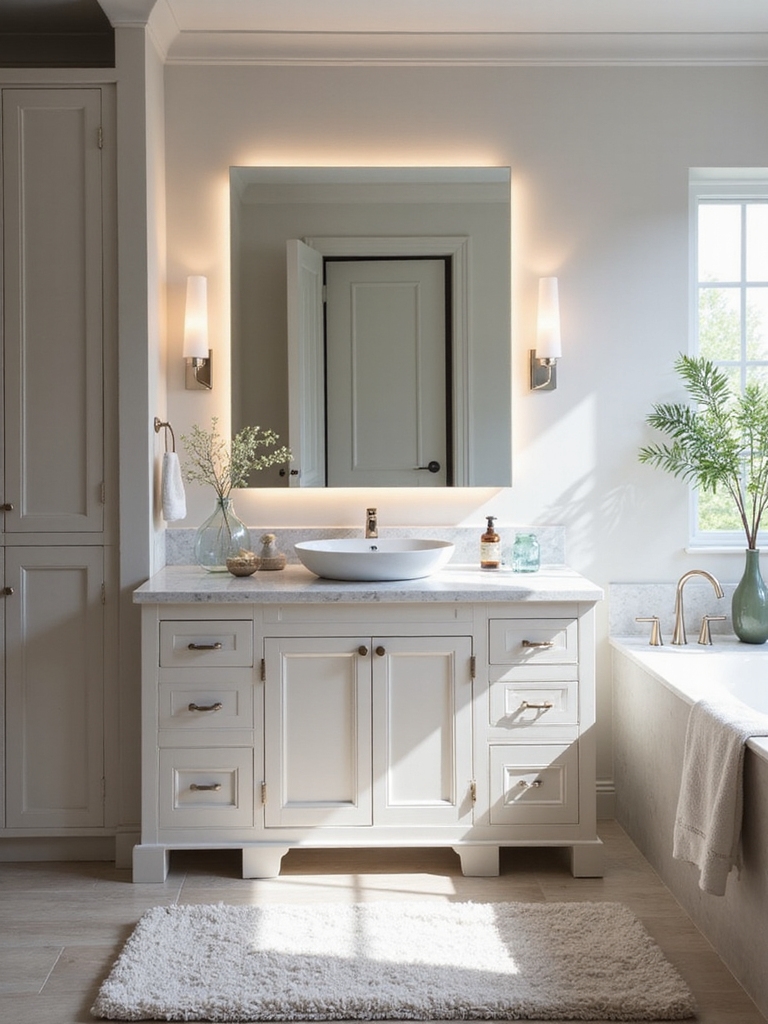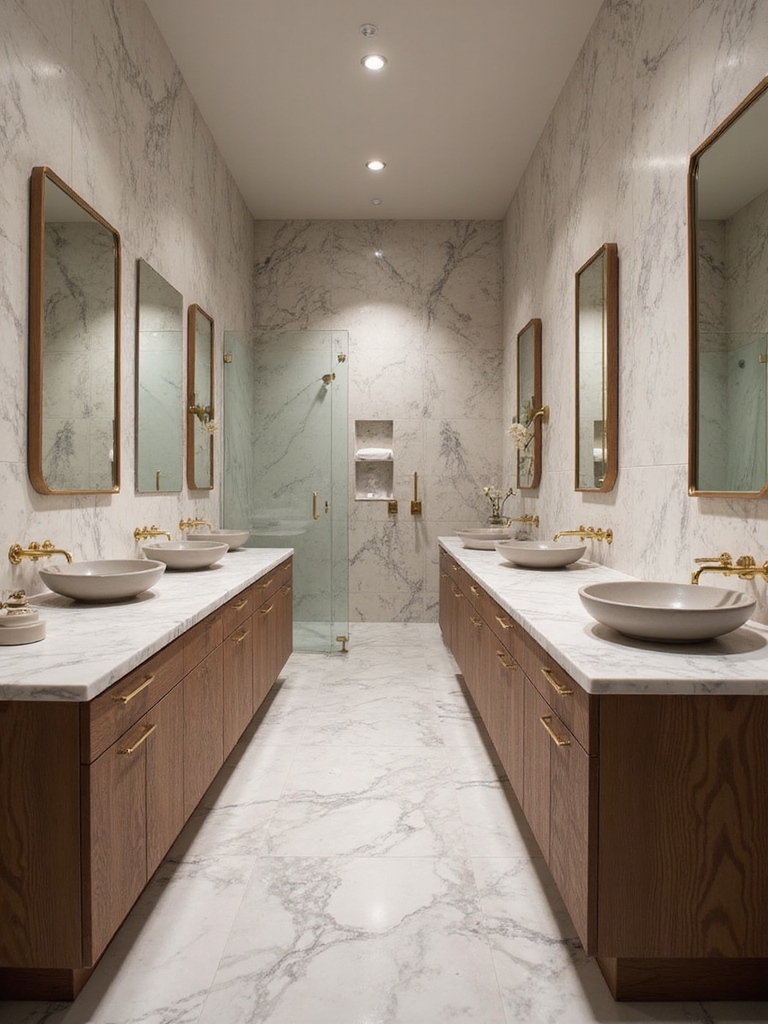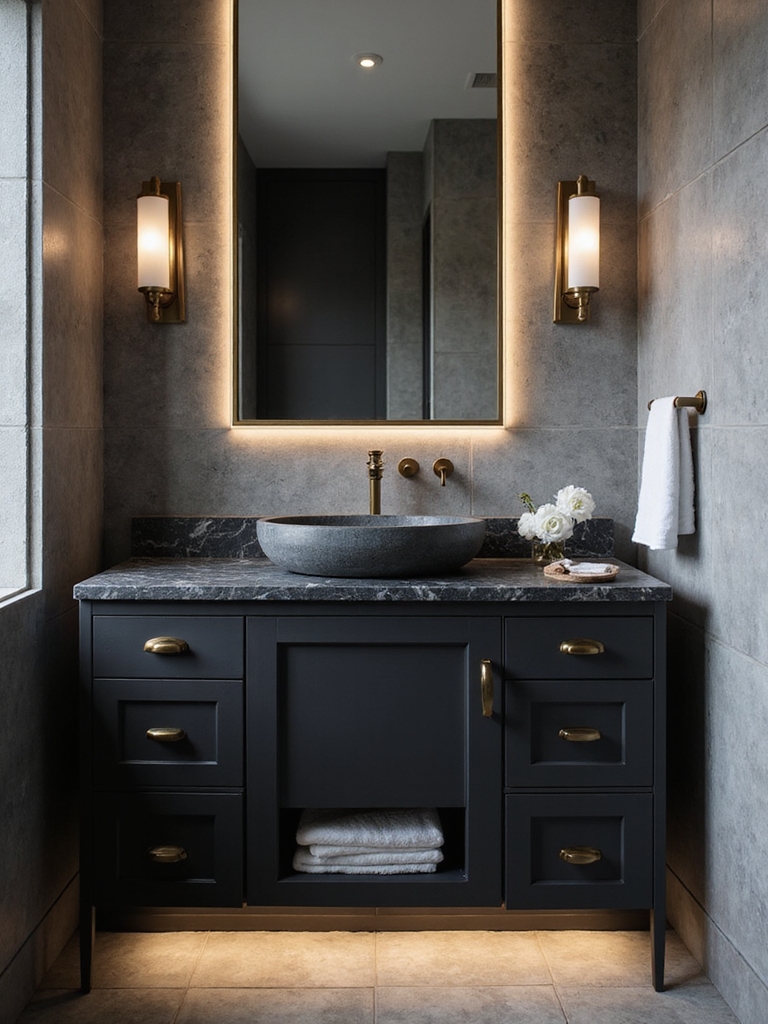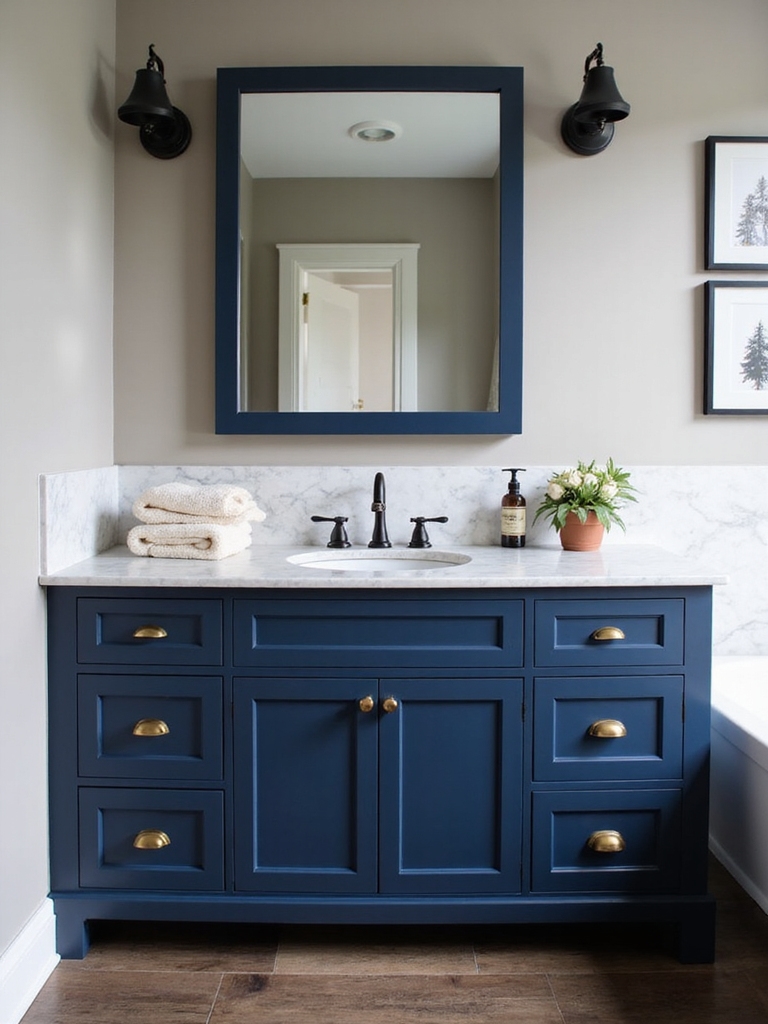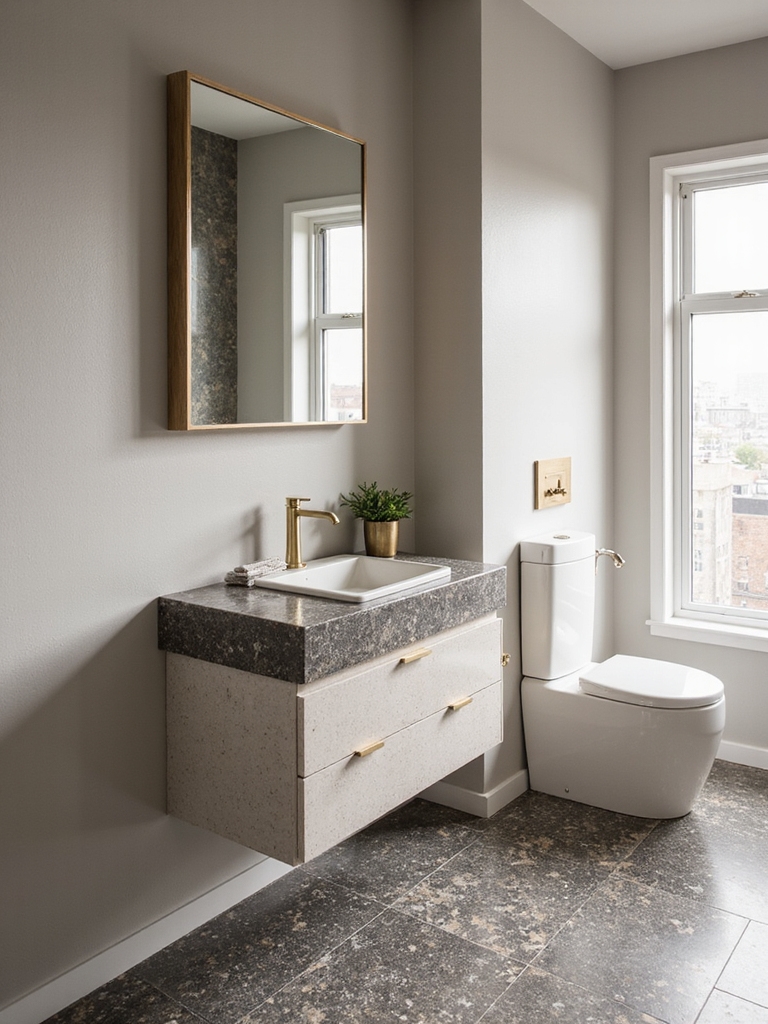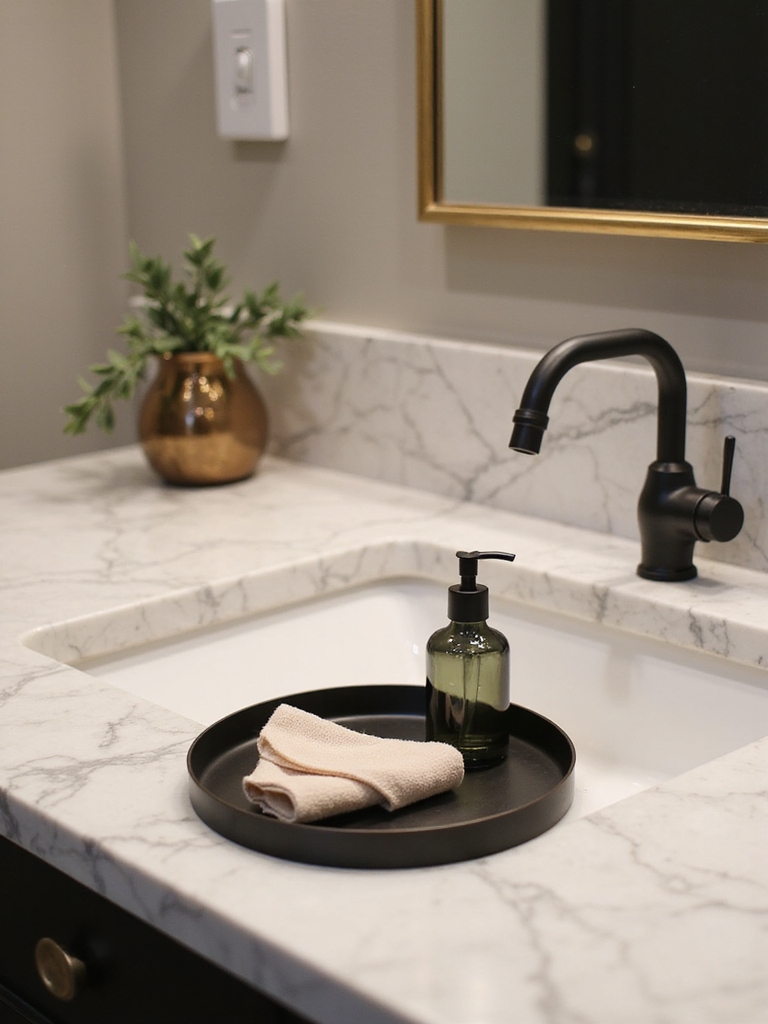

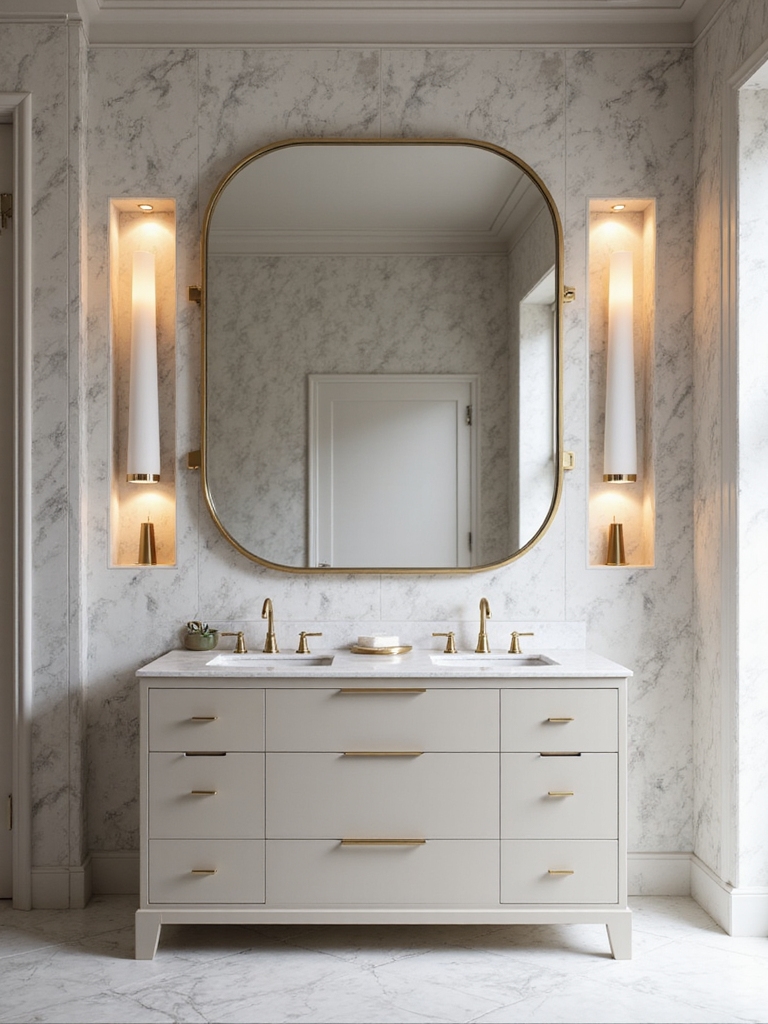
I’ve gathered 13 dual vanity ideas that fit every style, balancing practicality, storage, and clean, timeless looks. I’ll help you weigh symmetry versus asymmetry, size and proportion, and hidden storage that keeps shared bathrooms tidy. We’ll pair countertops with cabinets, plan wet-proofing and plumbing rough-ins, and explore budget tiers from high-end to budget-friendly. With real-life inspirations for every space, you’ll see how smart storage meets durable finishes. If you keep reading, you’ll reveal more actionable ideas.
What to Consider Before Choosing a Dual Vanity
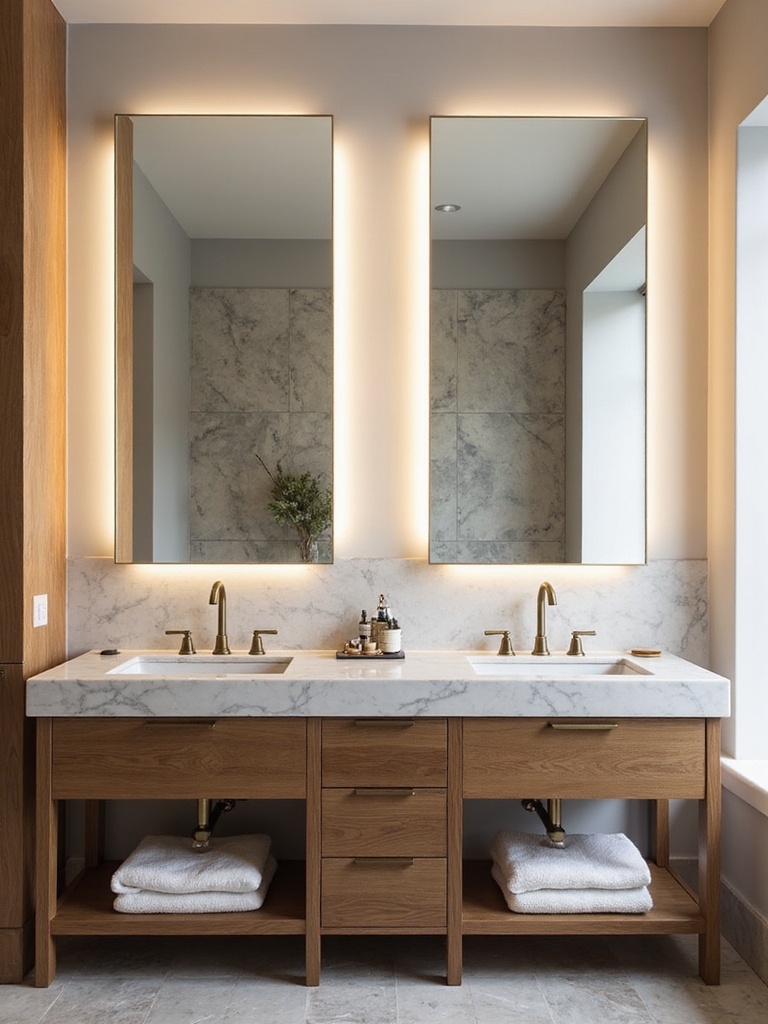
When choosing a dual vanity, start by evaluating how you’ll actually use the space.
I consider your routine: morning spacing, counter clutter, and drawer access.
Think about plumbing layout, mirror height, and seating if needed.
Prioritize depth over width for comfortable elbow room.
Choose durable finishes and smart storage that simplify daily rituals, not just look impressive.
Also, explore double vanity bathroom ideas for inspiration that fits your style and needs.
Symmetry or Asymmetry in Dual Vanities
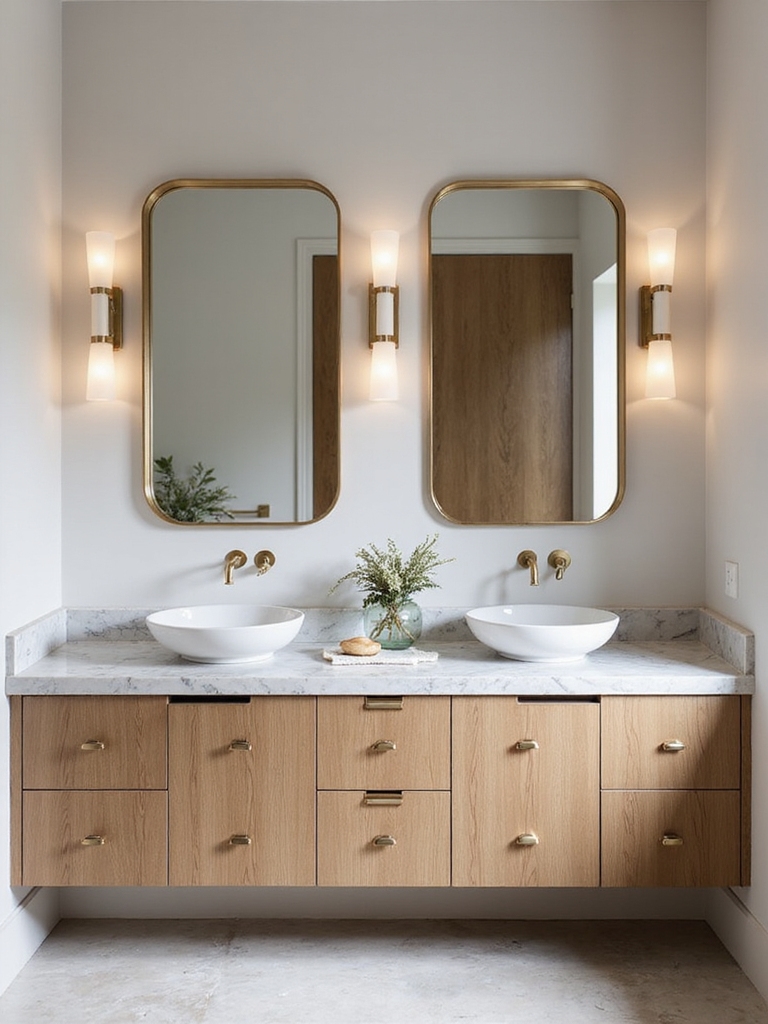
Is symmetry the secret to calm in a shared bathroom, or does a touch of asymmetry create a more dynamic, functional space?
I approach dual vanities by balancing lines and heights, choosing a unified countertop feel while letting drawer configurations breathe.
I favor intentional imperfections—offset mirrors or varying hardware—so the room reads thoughtful, not strict.
Practical beauty emerges from deliberate contrasts.
Many double sink bathroom vanities also incorporate stylish design elements to enhance both aesthetics and usability.
Size and Proportion: Fitting Vanities to Your Space
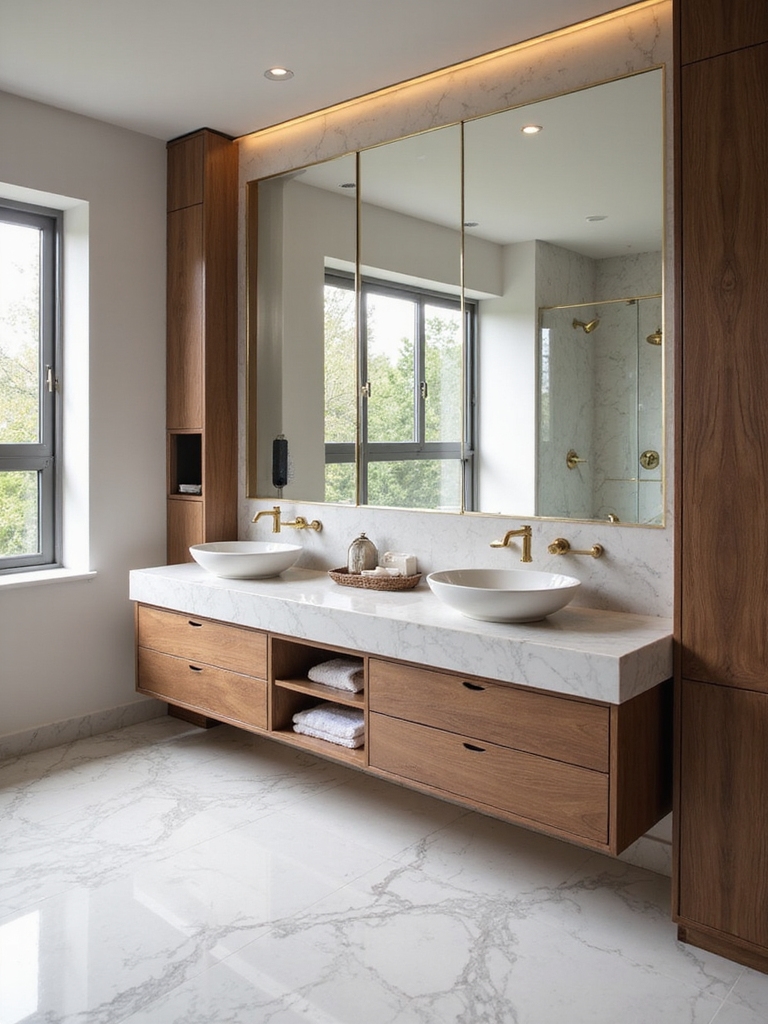
Let’s start by sizing your vanity to the room’s real proportions, using a clear Space Proportion Guide to balance counter height, legroom, and walking flow.
I’ll walk you through doorway clearance rules so you can open drawers and doors without ping-ponging around the space, and I’ll share countertop depth tips that keep everything usable without crowding.
Together, we’ll align function and style so your dual vanities feel generous yet grounded in reality.
In addition, incorporating space-saving ideas can maximize the functionality of your bathroom vanity without sacrificing style.
Space Proportion Guide
Choosing the right vanity size starts with measuring the space carefully and envisioning how you’ll move through the room.
I translate measurements into a practical plan, balancing counter space with clearance. I suggest two goals: guarantee a comfortable flow and maximize storage without crowding.
Aim for proportional harmony, so vanity scale feels intentional, not overpowering, in your bathroom’s overall rhythm.
Doorway Clearance Rules
When sizing a vanity, doorway clearance can’t be an afterthought. I measure every approach path, noting swing direction and hinge bulk to avoid bottlenecks.
I prioritize at least 32 inches of clear passage, resizing vanity depth or relocating hardware as needed.
With proportional shelves and mirror placement, the space feels balanced, functional, and ready for daily routines without obstacle irritation.
Countertop Depth Tips
Countertop depth isn’t a vague afterthought; it anchors both usability and proportion in a bathroom that works.
I choose depth with intent and explain why it matters to flow and function.
- Measure available wall space before choosing any vanity
- Balance sink height with countertop reach
- Plan for drawer depth to keep items accessible
- Allow edge clearance for doors and knees, always
Hidden Storage for Shared Bathrooms
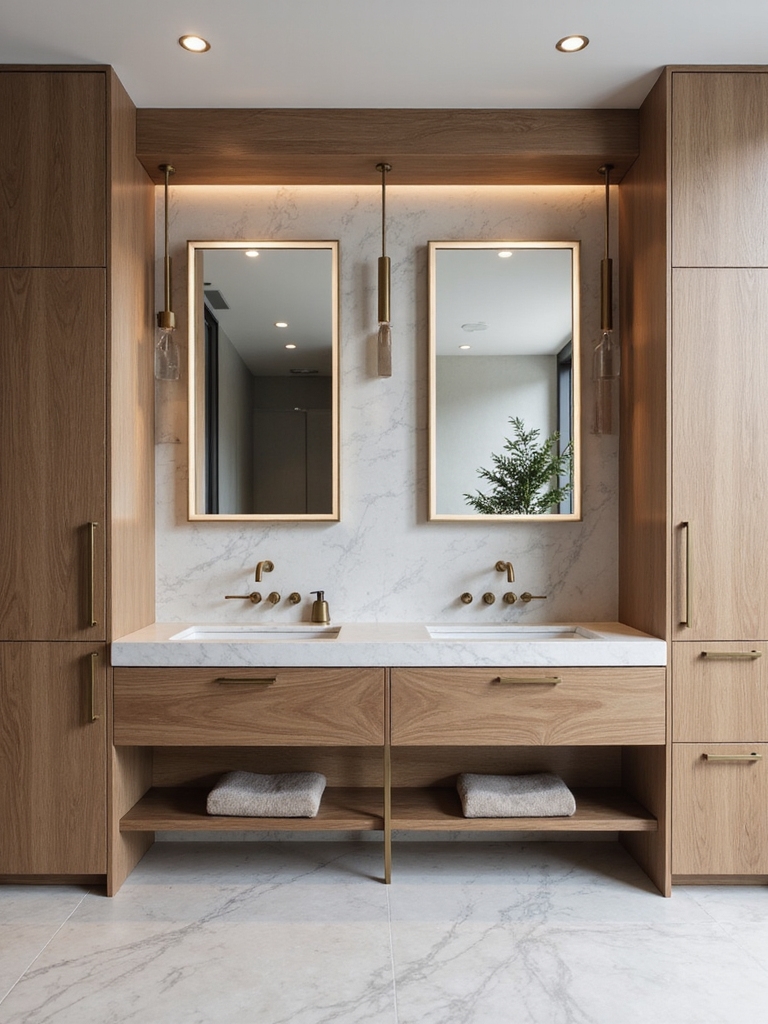
I’m exploring hidden compartments that keep shared bathrooms tidy without clutter, from recessed niches to clever pull-outs.
We’ll tackle shared bathroom organization with space-saving cabinet tricks and smart labeling so everyone finds what they need quickly.
Let’s uncover practical ideas for discreet storage that supports collaboration and keeps the space serene.
Incorporating space-saving storage solutions can maximize functionality even in the smallest bathroom areas.
Hidden Compartments Ideas
Hidden compartments are a smart way to reclaim bathroom clutter without sacrificing style.
I share practical ideas you can apply today:
1) Install slim drawers behind vanity panels for meds and tools.
2) Use recessed niches in shower walls for cords, razors, and soaps.
3) Add magnetic strips inside cabinet doors for metal grooming items.
4) Choose lift-up lids on storage benches to hide daily essentials.
Shared Bathroom Organization
To keep shared bathrooms calm and functional, I recommend smart, accessible storage that serves everyone’s needs without turning the space into a maze.
I prioritize labeled bins, shallow drawers, and discreet magnetic hooks for daily essentials. A shared caddy by the sink reduces clutter, while a compact medicine cabinet keeps items organized, visible, and easy to reach for every user.
Space-Saving Cabinet Tricks
Maximize every inch with smart cabinet tricks that hide clutter while keeping essentials within easy reach.
I share practical, efficient ideas for shared spaces, focusing on hidden drawers and pull-outs.
- Install slim pull-out organizers in a shallow base cabinet.
- Use mirrored doors to double visual space.
- Add organizers inside medicine cabinets for flexibility.
- Choose stackable bins that fit narrow shelves for toothbrushes and minis.
Coordinating Countertops and Cabinets: Materials That Match
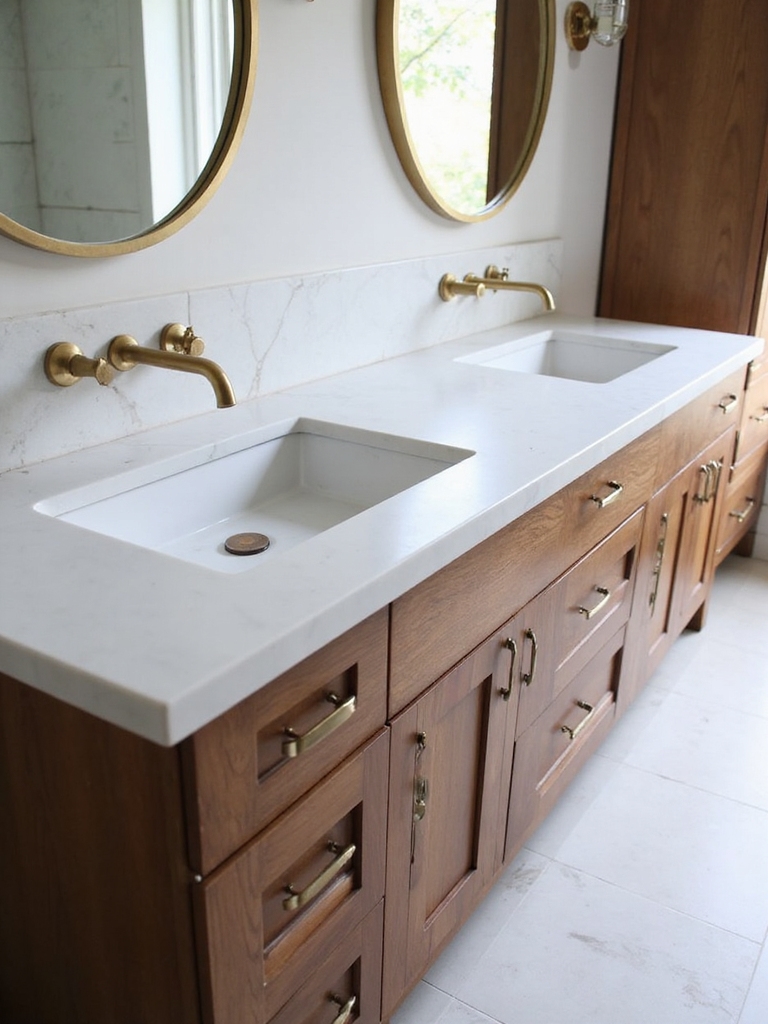
When pairing countertops with cabinets, choosing materials that harmonize in tone, texture, and durability sets the foundation for a cohesive vanity.
I guide you toward balancing natural veining with matte finishes, selecting quartz for resilience, granite for character, and solid surfaces for seamless seams.
Pair colors thoughtfully, consider edge profiles, and prioritize maintenance ease for timeless, stylish practicality.
Incorporating elements that elevate your bathroom decor can transform any space into a luxurious feel.
Lighting Dual Sinks: One Layer or Two?
I’m weighing whether one layer or two creates the best balance of space, storage, and effortless daily use.
I’ll consider how each setup affects lighting—both how much you see and how it feels—so you can choose with clarity.
Let’s explore practical, aspirational options that maximize function without sacrificing style.
Many couples find that incorporating stylish double sinks enhances both convenience and aesthetic appeal in their bathroom design.
One Layer vs Two
Choosing between a single-layer or dual-layer lighting setup for dual sinks comes down to function and mood: a single layer keeps the space clean and cost-effective, while two layers give you better task lighting and design flexibility.
1) Simplicity saves time and money
2) Layered light enhances accuracy
3) Flexibility supports moods
4) Visual balance elevates style
Space and Storage
Dual sinks invite smarter storage and neater spaces, so let’s map how space and storage respond to either a single-layer or two-layer lighting scheme.
I prioritize clear zones for daily routines, with drawer organizers and under-sink trays that keep essentials reachable yet discreet.
A two-layer approach guides tasks without clutter, while one-layer feels streamlined and calm, maximizing open counter space.
Lighting Impactful Choices
Three lighting layers can transform dual sinks from functional to inspiring, but the key is choosing a strategy that supports your routine.
- Layer task, ambient, and accent lighting to avoid harsh shadows.
- Use dimmable LEDs for mood and focus.
- Mirror sconces for even illumination and reflected space.
- Select color temperature between 2700–3000K for warmth.
Drawer Dividers and Niches for Smart Organization
In a small bathroom, smart drawer dividers and built-in niches transform chaos into efficiency, so you can grab what you need without digging.
I design with purpose, using slim organizers that separate cosmetics, brushes, and meds. Niches keep daily items visible yet tidy, while labeled sections guarantee quick access.
The result is calmer mornings, smaller clutter, and a more confident routine.
Adding clever DIY storage solutions like wall-mounted shelves or over-the-toilet racks maximizes space and enhances functionality in tight spots, making every inch count for small bathroom storage.
Corner, Floating, and Recessed Dual Vanities
A corner, floating, or recessed dual vanity can instantly redefine a small bathroom, delivering function without sacrificing style.
I share practical ideas that maximize space, maintain clean lines, and feel luxurious.
- Utilize wall-mounted sinks to free floor space.
- Choose shallow cabinets for easy access.
- Opt for integrated mirrors to widen the room.
- Pick soft-close drawers for a quiet, refined finish.
Incorporating smart storage solutions tailored for small bathrooms ensures every inch is used efficiently while keeping the area clutter-free.
Style-Driven Ideas: Modern, Rustic, Traditional, Minimal
Modern, rustic, traditional, and minimal dual vanities each tell a distinct story, so I design them to feel purposeful and timeless in any bathroom.
I emphasize clean lines, honest materials, and thoughtful storage that adapts to daily rhythms.
You’ll notice how harmony across finishes elevates mood, while practical details—soft-close drawers, integrated lighting, and easy-clean surfaces—make everyday routines feel elevated and effortless.
Drawing inspiration from top designers, I incorporate stylish elements that transform vanity spaces into both functional and beautiful focal points.
Waterfront-Proofing: Wet-Proofing Your Dual Vanity
Waterfront-proofing a dual vanity means anticipating moisture from sink splashes, humidity, and waterfront bathrooms, then designing to withstand it without sacrificing style.
I share practical steps you can trust:
- seal corners diligently
- choose moisture-ready materials
- use accessible gaskets
- install grouted, water-resistant surfaces for longevity
Incorporating modern luxury bathroom design ideas can enhance both the functionality and aesthetic of your waterfront-proof dual vanity.
Plumbing Setup for Two Sinks: Rough-Ins and Maintenance
When planning a two-sink setup, the rough-ins set the stage for reliable use and easy maintenance.
I start by mapping supply lines, drains, and venting to fit your bathroom layout and cabinet space. I specify access, pipe slopes, and cleanout points, then test leaks and airflow.
This proactive approach keeps maintenance straightforward and future upgrades seamless, with minimal disruption.
Budget Tiers: High-End, Midrange, and Budget-Friendly Dual Vanities
Budget tiers for dual vanities break down into three practical categories: high-end, midrange, and budget-friendly.
I guide you to balance function, finish, and feel. Here are choices I trust:
- High-end: luxury materials, flawless hardware.
- Midrange: durable finishes, tasteful details.
- Budget-friendly: smart storage, resilient basics.
Personalization, timing, and value elevate every room.
Real-Life Installations: 13 Dual Vanity Inspirations to Emulate
Here are 13 real-life dual vanity installations that prove great design is achievable in any space.
I’ve spotted balanced proportions, clever storage, and bold finishes that still feel calm.
You don’t need a mansion to get this look—just thoughtful layout, material harmony, and DIY-friendly tweaks.
Let’s translate insights into a practical, aspirational plan you can recreate confidently.
Conclusion
I hope these ideas spark a vision you can live with daily. Dual vanities aren’t just about two sinks—they’re about harmony, flow, and a touch of luxury that fits your routine. If you design with symmetry, smart storage, and durable finishes, your bathroom becomes a calm, organized retreat. Think of it as your morning stage crew, quietly supporting you—effortless, dependable, and ready for whatever the day throws at you. Your perfect dual vanity is within reach.